

Fire pits for wood: top options and reviews
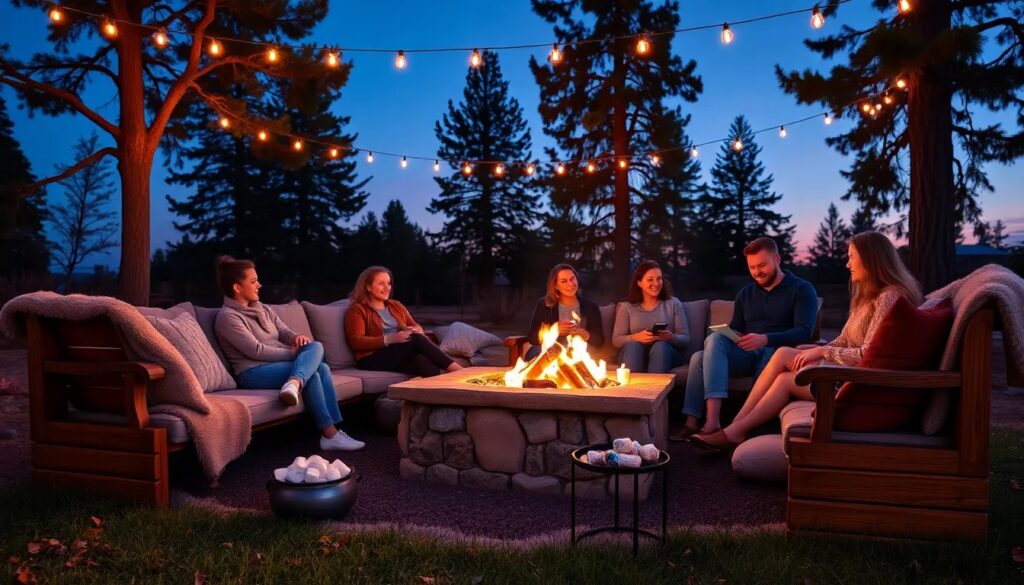
Wood burning fire pits are a fantastic addition to any outdoor space, providing warmth, ambiance, and a gathering point for friends and family. With a variety of styles and functionalities available, choosing the right one can significantly enhance your outdoor experience.
This guide will explore the best fire pits for wood, how to choose the right one, key features to look for, maintenance tips, benefits of smokeless options, and price ranges to consider. Whether you’re looking for affordable wood burning fire pits for cozy evenings or durable options for year-round use, we’ve got you covered.
Table of Contents
- What are the best fire pits for wood?
- How to choose the right wood burning fire pit?
- What are the key features of a quality fire pit?
- How to maintain your wood burning fire pit?
- What are the benefits of a smokeless fire pit?
- What is the price range for wood burning fire pits?
- Related questions about wood burning fire pits
What are the best fire pits for wood?
When searching for the best fire pits for wood, it's essential to consider brands that prioritize quality and functionality. Some top contenders in the market include:
- Hampton Bay: Known for its stylish designs and durability.
- Solo Stove: Features a unique smokeless design ideal for outdoor gatherings.
- Breeo: Offers customization options and high-quality construction.
- Ohio Flame: Renowned for its handcrafted fire pits.
- Fire Pit Art: Combines functionality with artistic designs.
Many of these fire pits come with features such as adjustable flames and weather-resistant materials, making them suitable for various climates. Models like the Solo Stove Bonfire are particularly popular for their innovative design that reduces smoke output significantly.
Additionally, the Hampton Bay Piedmont combines aesthetic appeal with practicality, making it a great choice for anyone looking to enhance their outdoor setting.
How to choose the right wood burning fire pit?
Selecting the right wood burning fire pit involves several considerations. Start by evaluating your outdoor space and how you intend to use the fire pit. Here are some factors to keep in mind:
- Size: Choose a fire pit that fits well in your space without overwhelming it.
- Material: Look for durable materials that can withstand different weather conditions.
- Design: Consider whether you prefer a traditional or modern look.
- Portability: If you plan to move it around, opt for a lightweight model.
- Safety features: Ensure it has a spark guard or screen to prevent embers from escaping.
It’s also wise to read reviews on various models to gauge customer satisfaction and reliability. Fire pits that are easy to assemble and come with good warranties often provide better long-term value.
What are the key features of a quality fire pit?
A quality fire pit should encompass several key features that contribute to its functionality and safety. Here are some of the most important:
- Material: Look for fire pits made from high-quality steel, cast iron, or aluminum for durability.
- Design efficiency: Smokeless designs can significantly improve your outdoor experience by reducing smoke.
- Adjustable flames: This feature allows you to control the heat output, enhancing comfort.
- Weather resistance: Ensure the fire pit can withstand rain and snow without deteriorating.
- Ease of cleaning: A removable ash tray or easy access to the interior helps maintain cleanliness.
Additionally, the fire pit should comply with safety standards to minimize the risk of accidents. Investing in a high-quality model will not only enhance your outdoor space but also ensure a safe and enjoyable experience.
How to maintain your wood burning fire pit?
Proper maintenance of your wood burning fire pit ensures its longevity and safety. Follow these tips to keep your fire pit in excellent condition:
- Clean regularly: Remove ashes and debris after each use to prevent buildup.
- Check for rust: Inspect the fire pit for any signs of rust or deterioration and treat accordingly.
- Cover it: Use a protective cover when not in use to shield it from the elements.
- Inspect joints and seams: Ensure that all connections are secure to prevent leaks or collapses.
- Store wood properly: Keep firewood dry and stored away from the fire pit to avoid fire hazards.
By committing to these maintenance practices, you can enjoy your wood burning fire pit for many years, making it a reliable centerpiece for outdoor gatherings.
What are the benefits of a smokeless fire pit?
Smokeless fire pits have gained popularity for various reasons. Here are some key benefits of using a smokeless fire pit:
- Reduced smoke output: Enjoy your fire without the hassle of smoke irritating your eyes or lungs.
- Less odor: Smokeless designs often produce less odor, making the experience more pleasant.
- Efficiency: They burn wood more efficiently, leading to longer-lasting fires with less fuel.
- Environmentally friendly: By reducing smoke emissions, these fire pits are better for the environment.
- Versatility: Many smokeless fire pits can also be used for cooking, enhancing their functionality.
Choosing a smokeless fire pit can greatly enhance your outdoor experience, allowing you to enjoy evenings by the fire without the drawbacks of traditional models.
What is the price range for wood burning fire pits?
The price of wood burning fire pits varies widely based on size, materials, and features. Generally, you can expect the following price ranges:
- Budget options</: $50 - $150 (basic models with limited features).
- Mid-range options: $150 - $400 (better materials, design, and features).
- High-end options: $400 and above (premium brands like Breeo or custom designs).
When shopping, consider both your budget and what features are most important to you. Investing in a higher-quality fire pit can save you money in the long run by avoiding frequent replacements.
What is best to put in the bottom of a fire pit?
For optimal performance, the bottom of a wood burning fire pit should be lined with a layer of gravel or sand. This provides drainage and prevents water accumulation, which could rust the fire pit. Additionally, using a fireproof material helps to keep the heat contained and protects the fire pit's base.
Is it cheaper to build or buy a fire pit?
Building a fire pit can often be cheaper than buying a pre-manufactured one, especially if you use reclaimed materials. However, purchasing a fire pit may save time and ensure a more polished look. Ultimately, the choice depends on your budget, skills, and aesthetic preferences.
What kind of wood is best for a fire pit?
The best wood for a fire pit is seasoned hardwood, such as oak, hickory, or maple. These woods burn hotter and longer than softwoods, which tend to produce more smoke and less heat. Avoid using pressure-treated wood, as it can emit harmful chemicals when burned.
How many hours does a 20 lb propane tank last on a fire pit?
A 20 lb propane tank can last approximately 10 to 12 hours on a medium heat setting in a propane fire pit. However, this can vary based on the size of the flame and the specific model of the fire pit. It's essential to monitor your propane levels to ensure you don't run out during use.
If you want to know other articles similar to Fire pits for wood: top options and reviews you can visit the category BBQ Accessories for Outdoor Use.


More embers