
Burnt ends explained
When it comes to BBQ, few things are as beloved as burnt ends. However, traditional burnt ends made from brisket can be pricey. Enter Poor Man’s Burnt Ends, an economical yet delicious alternative that uses chuck roast instead. This guide will take you through everything you need to know about creating these delightful BBQ bites.
From the best cooking techniques to serving suggestions, you'll discover how to enjoy burnt ends without breaking the bank.
Table of Contents
What are Poor Man’s Burnt Ends?
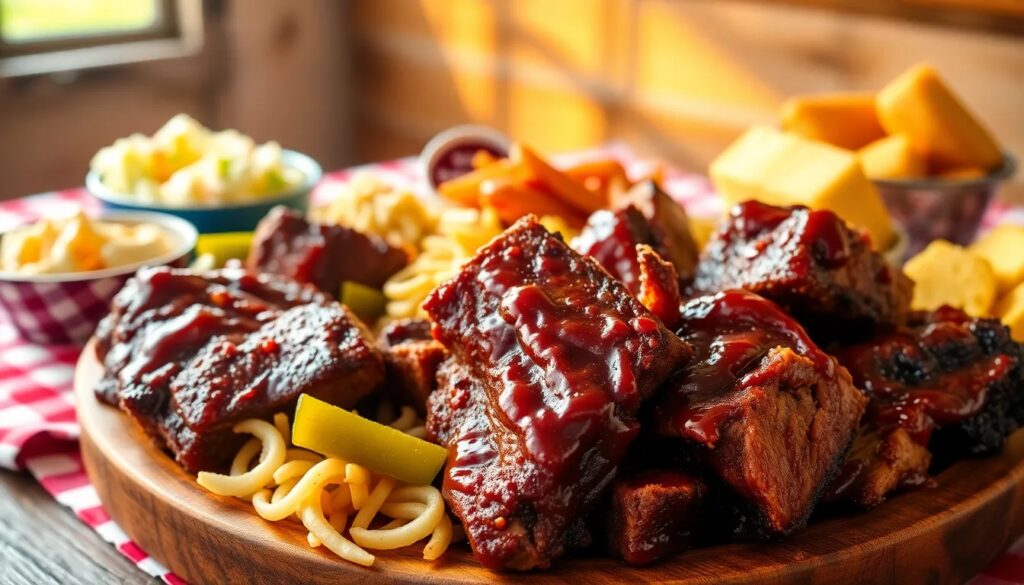
Poor Man’s Burnt Ends are essentially a budget-friendly twist on the classic burnt ends that come from the brisket. Using chuck roast, these tender morsels are seasoned, smoked, and glazed to perfection. The result is a flavorful, juicy treat that captures the essence of BBQ without the hefty price tag.
The process begins with selecting a good quality chuck roast, which is both economical and flavorful. The key is to cut the meat into small cubes, allowing for even cooking and better flavor absorption during the smoking process.
Once the meat is seasoned and smoked, it is often glazed with BBQ sauce to enhance its taste. This method not only makes for a satisfying dish but also allows for creativity in flavor combinations.
How to make Poor Man’s Burnt Ends?
To create your own Poor Man’s Burnt Ends, follow these simple steps:
- Choose your meat: Select a chuck roast, typically around 3-4 pounds.
- Cube the meat: Cut the chuck roast into 1-inch cubes for optimal smoking.
- Season generously: Use a spice rub of your choice, ensuring the meat is well coated.
- Smoke the pieces: Preheat your smoker to 225°F and smoke the cubes for about 2 hours.
- Glaze and finish: Toss the smoked cubes in BBQ sauce and return them to the smoker for another hour.
This method not only produces tender, flavorful burnt ends but also allows you to customize the spices and sauces to match your personal taste. Experimenting with different flavors can lead to unique creations!
Tips for cooking chuck roast burnt ends?
Cooking chuck roast burnt ends can be straightforward, but here are some tips to elevate your BBQ game:
- Temperature control: Maintain a consistent smoking temperature between 225°F and 250°F for best results.
- Use wood chips: Adding wood chips like hickory or mesquite can enhance the smoky flavor.
- Moisture is key: Consider placing a water pan in the smoker to keep the meat moist during cooking.
- Rest the meat: Allow the burnt ends to rest for at least 10-15 minutes after cooking before serving.
By following these tips, you can ensure that your chuck roast burnt ends turn out juicy and flavorful, making them a hit at any BBQ gathering.
What makes chuck roast ideal for burnt ends?
Chuck roast is an excellent choice for burnt ends due to its rich marbling and robust flavor profile. Unlike brisket, which can be more expensive, chuck roast provides a similar texture and taste, making it an economical option.
This cut of meat becomes incredibly tender when smoked, as the connective tissues break down during the long cooking process. This results in a melt-in-your-mouth experience that every BBQ lover craves.
Moreover, the affordability of chuck roast allows you to experiment more freely without the worry of wasting expensive cuts of meat. This flexibility encourages creativity, leading to delicious variations of burnt ends.
Delicious variations of burnt ends recipes?
While traditional burnt ends are delightful, there are numerous variations to spice things up. Here are some ideas:
- Smoked burnt ends with sauce: Finish your burnt ends with a tangy BBQ sauce for a classic flavor.
- Burnt ends using pork belly: For a richer flavor, try making burnt ends with pork belly, which will add a unique twist.
- Spicy honey glaze: Mix in some hot honey into your BBQ sauce for a sweet and spicy kick.
- Sweet and tangy apple cider glaze: Incorporate apple cider for a fruity flavor that pairs well with smoked meat.
These variations can breathe new life into your BBQ menu and impress your guests with unique flavor profiles. Don’t hesitate to experiment with different ingredients!
What to serve with burnt ends?
Burnt ends can be rich and flavorful, making them perfect for pairing with various sides. Some classic and delicious options include:
- Baked beans: A traditional BBQ side that complements the smoky flavors perfectly.
- Coleslaw: The crunch and freshness of coleslaw balance the richness of burnt ends.
- Cornbread: A slice of warm cornbread can be the perfect accompaniment to soak up all the juices.
- Pickles: Adding pickles provides a tangy contrast that cuts through the meatiness.
These sides can elevate your meal from good to great, providing a well-rounded BBQ experience.
How to store and reheat burnt ends?
Storing and reheating burnt ends correctly is vital to maintaining their flavor and texture. Here are some guidelines:
After cooking, allow your burnt ends to cool completely before storing them in an airtight container. They can be kept in the refrigerator for up to 4 days.
For longer storage, consider freezing them. Place the burnt ends in a freezer-safe bag or container, ensuring as much air is removed as possible to prevent freezer burn. They can be stored for up to 3 months.
When it comes to reheating, the best method is to use the oven. Preheat it to 250°F and place the burnt ends in a baking dish covered with foil. Reheat until warmed through, adding a splash of BBQ sauce if needed to restore moisture.
What kind of meat are burnt ends?
Burnt ends are typically made from brisket but can also be created using other cuts like chuck roast. The meat is cut into cubes, smoked, and often glazed with BBQ sauce. The ideal meat should have a good amount of fat and marbling to ensure tenderness and flavor.
What is the difference between burnt ends and rib tips?
Burnt ends come from the point of a brisket, whereas rib tips are the small, meaty pieces attached to the bottom of spare ribs. While both are delicious smoked BBQ options, burnt ends are known for their tender, melt-in-your-mouth texture, while rib tips are more dense with a unique flavor.
Why are they called burnt ends?
The name "burnt ends" originates from the cooking process, where the point of the brisket is cooked until it develops a crispy, charred exterior. This texture is desirable, making the ends flavorful and smoky, hence the name.
How many Michelin stars does burnt ends have?
Burnt Ends is also the name of a Michelin-starred restaurant in Singapore, known for its smoked meats and innovative BBQ dishes. The restaurant has achieved significant acclaim, showcasing the artistry of BBQ at its finest.
By embracing the concept of Poor Man’s Burnt Ends, you can enjoy the exciting world of BBQ without overspending. Whether you’re preparing for a family gathering or a casual get-together, these flavorful bites will impress everyone at the table.
If you want to know other articles similar to Burnt ends explained you can visit the category BBQ Food and Recipes.

More embers