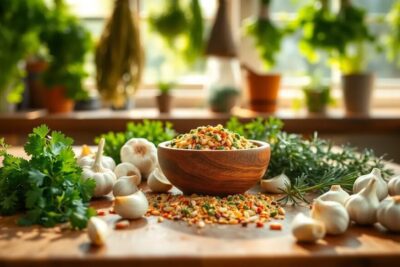
Seasoning vegetables for delicious dishes
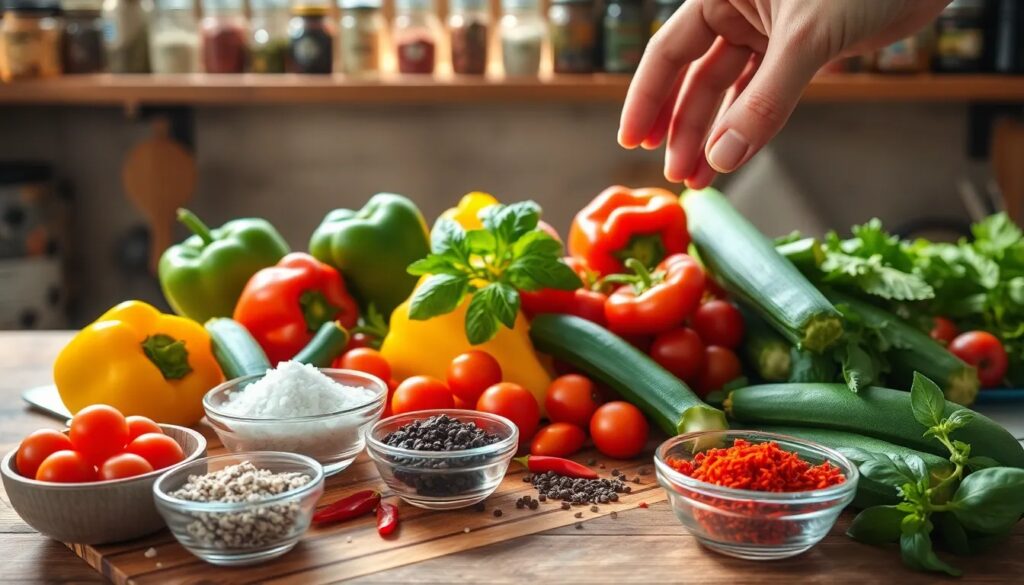
Seasoning vegetables can transform your meals from ordinary to extraordinary. With the right combinations of herbs and spices, you can enhance the natural flavors of vegetables, making them the star of the dish. In this guide, we’ll explore everything you need to know about seasoning vegetables for delicious dishes.
Whether you're roasting, grilling, or sautéing, understanding how to season vegetables properly is key to creating flavorful meals that everyone will love. Let's dive into the world of vegetable seasoning and discover how to make the most of your ingredients.
Index
- What is vegetable seasoning?
- Why make homemade vegetable seasoning?
- How to create the perfect roasted vegetable seasoning?
- What are the best ingredients for seasoning vegetables?
- How to use seasoning for vegetables in different recipes?
- What are the health benefits of homemade vegetable seasoning?
- How to store homemade vegetable seasoning for long-lasting freshness?
- Related questions about seasoning vegetables
- Questions related to seasoning vegetables for delicious dishes
What is vegetable seasoning?
Vegetable seasoning refers to the various herbs, spices, and flavor enhancers used to elevate the taste of vegetables. This can include a simple sprinkle of salt and pepper to more complex blends that combine multiple spices. Seasoning vegetables not only enhances their flavor but also boosts the overall appeal of your dishes.
Different cuisines offer distinct approaches to seasoning vegetables. For instance, Mediterranean herbs like oregano and basil complement roasted vegetables, while Asian spices like ginger and soy sauce can enhance stir-fried dishes. Understanding the right combinations can help you achieve the desired flavor profile.
 Alternative to italian seasoning: easy substitutes and tips
Incorporating seasonings creates layers of taste and can make even the most humble vegetables shine. Experimenting with different herbs and spices allows for endless culinary creativity, making it an essential skill for any home cook.
Why make homemade vegetable seasoning?
Making your own vegetable seasoning provides numerous benefits that store-bought options simply can't match. Firstly, homemade blends allow you to control the ingredients and avoid preservatives or artificial flavors. This results in a fresher and more vibrant taste.
Another advantage is the opportunity to customize your blends to suit personal preferences or dietary needs. You can adjust salt levels, swap out herbs you don't enjoy, or add unique spices to make a signature seasoning mix. How to make homemade vegetable seasoning quickly is easier than one might think, often requiring just a few minutes of preparation.
Additionally, creating your own seasoning blends can be cost-effective. By purchasing herbs and spices in bulk, you can create multiple batches of seasoning for a fraction of the price of pre-made options. This not only saves money but also allows you to experiment without breaking the bank.
Alternative to italian seasoning: easy substitutes and tips Substitute for Italian seasoning: the best options
How to create the perfect roasted vegetable seasoning?
The key to a flavorful roasted vegetable seasoning lies in the balance of spices and herbs. Start with a base of high-quality olive oil, which helps the seasoning adhere to the vegetables and aids in caramelization. A simple yet effective roasted vegetable seasoning recipe might include:
- Salt and pepper
- Garlic powder
- Onion powder
- Smoked paprika
- Dried thyme or rosemary
Mix these ingredients together in a bowl, adjusting the quantities according to your taste preferences. The combination of herbs and spices not only enhances the flavor but also brings out the natural sweetness of the vegetables when roasted.
For best results, toss your vegetables in the seasoning mix along with a generous amount of olive oil before spreading them out on a baking sheet. This ensures even coating and allows for optimal roasting. Remember to monitor Cooking times based on the type of vegetable for perfectly roasted results.
What are the best ingredients for seasoning vegetables?
When it comes to seasoning vegetables, several ingredients stand out as favorites among cooks. Here are some of the best spices for seasoning roasted vegetables:
Alternative to italian seasoning: easy substitutes and tipsSubstitute for Italian seasoning: the best options Guacamole seasoning guide
- Garlic powder: Adds a robust flavor that complements any vegetable.
- Smoked paprika: Provides a subtle smokiness that enhances roasted dishes.
- Oregano: A classic herb that pairs well with Mediterranean-inspired recipes.
- Cumin: For an earthy, warm flavor that works beautifully with roasted root vegetables.
- Chili flakes: A great way to add heat and depth to your seasoning mix.
Using fresh herbs like basil, parsley, or cilantro can also elevate the flavors. Pairing these herbs with citrus zest, such as lemon or lime, provides freshness and brightness, which can be particularly appealing in summer dishes.
Experimenting with various combinations of these ingredients will help you find the perfect seasoning blend for your favorite vegetables, enhancing their natural flavors while adding an exciting twist!
How to use seasoning for vegetables in different recipes?
Using seasoning for vegetables varies based on the type of dish you are preparing. Here are some tips for incorporating seasonings in different cooking methods:
- Roasting: Toss your vegetables in olive oil and your chosen seasoning before roasting in a hot oven (400-425°F) for caramelized and flavorful results.
- Grilling: Use a marinade or sprinkle your seasoning mix directly on the vegetables before grilling for enhanced flavor and texture.
- Sautéing: Add your seasoning at the beginning of the cooking process to allow the flavors to meld with the vegetables.
- Steaming: For steamed vegetables, consider a sprinkle of seasoning after cooking to preserve the fresh flavors.
Understanding how to use seasoning in various recipes allows you to create delicious dishes and experiment with different flavor profiles. Don't be afraid to try new combinations and techniques that suit your palate!
Alternative to italian seasoning: easy substitutes and tipsSubstitute for Italian seasoning: the best optionsGuacamole seasoning guide Crab boil seasoning guide
What are the health benefits of homemade vegetable seasoning?
Homemade vegetable seasoning not only boosts flavor but also offers several health benefits. Using fresh herbs and spices can provide antioxidants, vitamins, and minerals that contribute to overall health. For instance, garlic is known for its anti-inflammatory properties, while turmeric has been linked to numerous health benefits.
Additionally, making your own seasoning allows for healthier options without added sugars or preservatives. This can be particularly beneficial for individuals looking to reduce sodium intake. By focusing on herbs and spices, you can create flavorful dishes that are both nutritious and delicious.
Including a variety of herbs and spices also encourages creativity in the kitchen, leading to a more diverse and balanced diet. This can help ensure you are getting a range of nutrients from colorful vegetables, enhancing both flavor and health benefits.
How to store homemade vegetable seasoning for long-lasting freshness?
Proper storage of your homemade vegetable seasoning is crucial for maintaining its flavor and potency. Store your seasoning blend in an airtight container away from direct sunlight. Glass jars or metal tins work well for this purpose.
Alternative to italian seasoning: easy substitutes and tipsSubstitute for Italian seasoning: the best optionsGuacamole seasoning guideCrab boil seasoning guide Ground meat seasoning guide
To ensure freshness, label your containers with the date of preparation. Most homemade seasonings can last up to three months if stored correctly, but for optimal flavor, aim to use them within a month.
If you're making larger batches, consider dividing them into smaller portions to minimize exposure to air and moisture every time you open the container. This way, you can maintain the quality of your seasoning blends longer.
What are the best seasonings for vegetables?
The best seasonings for vegetables include a mix of herbs and spices tailored to the type of dish. Common choices are salt, pepper, garlic powder, and smoked paprika. Additionally, using fresh herbs like basil and cilantro can enhance the flavor profile significantly.
What do people season vegetables with?
People commonly season vegetables with a variety of ingredients such as olive oil, balsamic vinegar, and a range of spices. Seasoning blends vary widely by cuisine, with options like Italian seasoning or Cajun spice mixes being popular choices.
Alternative to italian seasoning: easy substitutes and tipsSubstitute for Italian seasoning: the best optionsGuacamole seasoning guideCrab boil seasoning guideGround meat seasoning guide Seasoning guacamole made easy
How do you add flavor to vegetables?
To add flavor to vegetables, consider using Marinades, seasoning blends, or simple salt and pepper before cooking. Roasting or grilling can also enhance the natural sweetness and flavor, allowing the vegetables to caramelize beautifully.
What is a good seasoning for mixed vegetables?
A great seasoning for mixed vegetables can be a combination of Italian herbs such as oregano, basil, and thyme, along with garlic and onion powder. This blend works well for both roasted and sautéed mixed vegetable dishes, adding depth and flavor.
If you want to know other articles similar to Seasoning vegetables for delicious dishes you can visit the category Seasoning & Marinades.
Garlic and herbs seasoning guide

Oil cast iron seasoning: the best practices for perfecting your skillet
Sazonador de carne: el aliado perfecto para tus comidas
Deja una respuesta

Gestionar consentimiento
Funcional Siempre activo
El almacenamiento o acceso técnico es estrictamente necesario para el propósito legítimo de permitir el uso de un servicio específico explícitamente solicitado por el abonado o usuario, o con el único propósito de llevar a cabo la transmisión de una comunicación a través de una red de comunicaciones electrónicas.
Preferencias
El almacenamiento o acceso técnico es necesario para la finalidad legítima de almacenar preferencias no solicitadas por el abonado o usuario.
Estadísticas
El almacenamiento o acceso técnico que es utilizado exclusivamente con fines estadísticos. El almacenamiento o acceso técnico que se utiliza exclusivamente con fines estadísticos anónimos. Sin un requerimiento, el cumplimiento voluntario por parte de tu proveedor de servicios de Internet, o los registros adicionales de un tercero, la información almacenada o recuperada sólo para este propósito no se puede utilizar para identificarte.
Marketing
El almacenamiento o acceso técnico es necesario para crear perfiles de usuario para enviar publicidad, o para rastrear al usuario en una web o en varias web con fines de marketing similares.
More embers