Cajun food seasoning guide
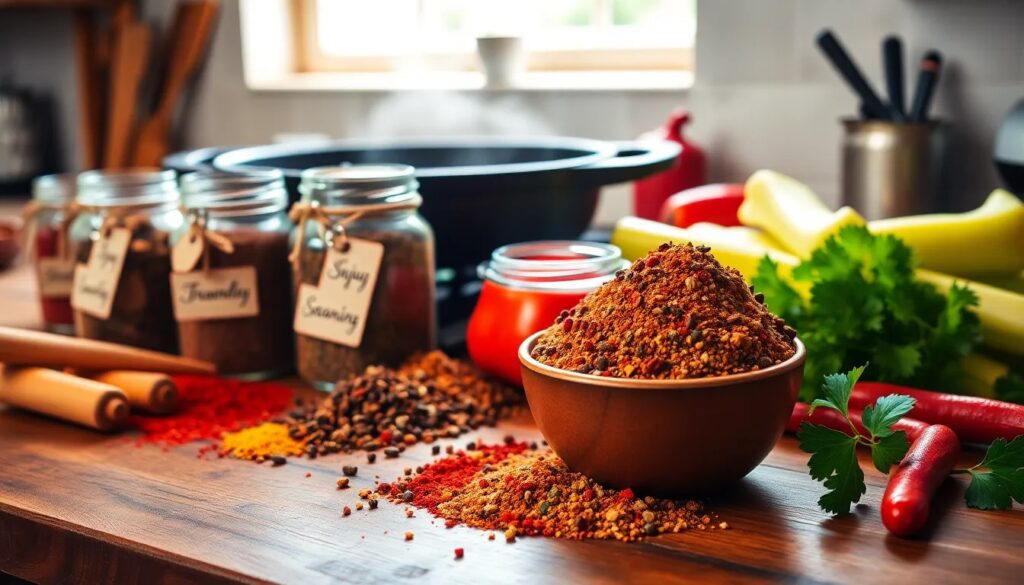
Cajun seasoning is a flavor-packed spice blend that originates from the vibrant Cajun cuisine of Louisiana. This seasoning is known for its versatility and ability to enhance a wide variety of dishes, making it a staple in kitchens around the world. In this guide, we will explore everything you need to know about this delightful seasoning.
Understanding the essence of Cajun food seasoning can transform your culinary creations, bringing a touch of Louisiana's rich culture into your home Cooking.
Index
- What is Cajun seasoning?
- Cajun seasoning ingredients: What do you need?
- How to make Cajun seasoning at home?
- How to use homemade Cajun seasoning?
- Cajun seasoning vs. Creole seasoning: What's the difference?
- Best Cajun food seasoning recipes to try
- Cajun seasoning alternatives: What can you use?
- Questions related to Cajun food seasoning
What is Cajun seasoning?
Cajun seasoning is a robust blend of spices that reflects the cultural heritage of the Cajun people. It is characterized by its earthy and slightly spicy flavors, which originate from a mix of herbs and spices native to Louisiana. The seasoning is primarily used to add depth and flavor to various dishes, including meats, seafood, and vegetables.
Cajun seasoning is not just a spice; it's a celebration of flavor. Its roots can be traced back to the 18th century when Acadian settlers in Louisiana began to incorporate local ingredients into their cooking, resulting in a unique culinary blend that is both rustic and flavorful.
 Seasoning pizza: tips and recipes
The complexity of Cajun seasoning often includes ingredients such as paprika, cayenne pepper, garlic powder, onion powder, and a variety of herbs like oregano and thyme. This combination creates a seasoning that is bold yet balanced, making it suitable for numerous cuisines beyond just Cajun cooking.
Cajun seasoning ingredients: What do you need?
Creating your own Cajun seasoning at home can be simple and rewarding. Here are the essential ingredients you will need:
- 2 tablespoons paprika (preferably smoked)
- 1 tablespoon cayenne pepper
- 1 tablespoon garlic powder
- 1 tablespoon onion powder
- 1 teaspoon dried oregano
- 1 teaspoon dried thyme
- Salt to taste
These ingredients combine to create a well-rounded seasoning that adds flavor without being overly spicy. You can adjust the cayenne pepper to suit your heat preference, making this blend customizable for any palate.
Storing your homemade Cajun seasoning is easy. Keep it in an airtight container in a cool, dark place, and it can last for several months without losing its potency.
Seasoning pizza: tips and recipes 0ld bay seasoning explained
How to make Cajun seasoning at home?
Making Cajun seasoning at home is not only simple but also allows you to control the flavor profile. Start by gathering the ingredients listed above.
Once you have everything ready, follow these steps:
- Measure each ingredient accurately.
- Combine them in a mixing bowl.
- Whisk the ingredients together until they are well mixed.
- Transfer the mixture into an airtight container.
- Label the container with the date.
With just a few minutes of preparation, you can create a spice blend that rivals any store-bought Cajun food seasoning. Experimenting with ratios can lead to discovering your perfect blend!
How to use homemade Cajun seasoning?
The versatility of Cajun food seasoning makes it suitable for a wide array of dishes. Here are some popular uses:
Seasoning pizza: tips and recipes0ld bay seasoning explained Seasoning in Italian: A Quick Guide
1. Seasoning meats and seafood: Rub your Cajun seasoning onto chicken, shrimp, or fish before grilling or baking. The spices will infuse the protein with flavor, creating a delicious crust.
2. Enhancing vegetables: Toss your favorite vegetables in Cajun seasoning before roasting or sautéing them. This will elevate the dish, making it a standout side.
3. Adding to soups and stews: A dash of Cajun seasoning can bring new life to your soups and stews, making them heartier and more flavorful.
4. Creating dips: Mix Cajun seasoning with sour cream or yogurt for a quick and tasty dip that pairs well with chips or veggies.
Seasoning pizza: tips and recipes0ld bay seasoning explainedSeasoning in Italian: A Quick Guide Old bay seasoning explained
The options are endless, and with a bit of creativity, you can incorporate this seasoning into virtually any dish.
Cajun seasoning vs. Creole seasoning: What's the difference?
While Cajun and Creole seasonings share some similarities, they have distinct characteristics that set them apart.
Cajun seasoning is generally simpler, focusing on a few key spices that create a rustic flavor profile. It often includes less complex ingredients, making it a more straightforward option for those looking for a basic spice blend.
On the other hand, Creole seasoning tends to incorporate a wider variety of spices and herbs, including more aromatic ingredients like celery, bell peppers, and parsley. This results in a more nuanced flavor, reflecting the diverse influences found in Creole cuisine.
Seasoning pizza: tips and recipes0ld bay seasoning explainedSeasoning in Italian: A Quick GuideOld bay seasoning explained Bay seasoning guide
In summary: Cajun seasoning is earthy and robust, while Creole seasoning is more aromatic and intricate. Each has its place in cooking, and understanding the differences allows for better culinary choices.
Best Cajun food seasoning recipes to try
There are countless recipes that benefit from a sprinkle of Cajun seasoning. Here are a few popular options to consider:
- Jambalaya: A classic Cajun dish featuring rice, sausage, and seafood.
- Gumbo: A hearty stew made with a rich roux and a variety of proteins.
- Blackened fish: A cooking technique that involves heavily seasoning fish with Cajun spices and searing it in a hot skillet.
- Cajun chicken pasta: Combining spicy chicken with a creamy sauce and pasta creates a delicious meal.
- Roasted Cajun potatoes: Toss potatoes in Cajun seasoning before roasting for a flavorful side.
These dishes highlight the bold and spicy flavors that Cajun seasoning brings to the table, ensuring every bite is packed with flavor.
Cajun seasoning alternatives: What can you use?
If you find yourself without Cajun seasoning, there are several alternatives you can use. Some popular substitutes include:
Seasoning pizza: tips and recipes0ld bay seasoning explainedSeasoning in Italian: A Quick GuideOld bay seasoning explainedBay seasoning guide Best seasoning rack ideas for your kitchen
- Creole seasoning: While slightly different, it can provide a similar flavor profile.
- Blackened seasoning: This mix typically includes similar spices and works well in a pinch.
- Homemade spice mix: Combine paprika, cayenne, and garlic powder for a quick substitute.
- Chili powder: A milder option that can still add depth to your dishes.
Experimenting with these alternatives can lead to unexpected and delicious results!
What is Cajun seasoning made of?
Cajun seasoning is primarily made up of spices such as paprika, cayenne pepper, garlic powder, onion powder, oregano, and thyme. These ingredients combine to create a flavorful mix that enhances a variety of dishes. The balance of spices allows for a robust yet versatile seasoning, suitable for meats, seafood, and vegetables.
What are the three main ingredients in Cajun cooking?
The three main ingredients often found in Cajun cooking are onion, bell pepper, and celery, commonly referred to as the "holy trinity" of Cajun cuisine. These ingredients form the base for many traditional dishes, providing essential flavors and aromas that define Cajun cooking.
What food goes well with Cajun seasoning?
Cajun seasoning pairs well with a wide variety of foods, including chicken, shrimp, fish, vegetables, and even pasta. It can enhance soups, stews, and casseroles, making it a versatile choice for many culinary applications. The seasoning's robust flavor profile makes it particularly effective in highlighting the natural tastes of these ingredients.
Seasoning pizza: tips and recipes0ld bay seasoning explainedSeasoning in Italian: A Quick GuideOld bay seasoning explainedBay seasoning guideBest seasoning rack ideas for your kitchen Seasoning a cast iron skillet made easy
What is the best Cajun seasoning?
The best Cajun seasoning often depends on personal preference and the specific dish being prepared. Many home cooks and chefs prefer homemade Cajun seasoning because it allows for customization of flavors and spice levels. However, brands like Tony Chachere's and Zatarain's are popular for their quality and flavor.
If you want to know other articles similar to Cajun food seasoning guide you can visit the category Cajun Seasoning.
Crawfish etouffee cajun
Cajun seasoning for gumbo

Crawfish etouffee mix: un delicioso sabor de Louisiana
Deja una respuesta

Gestionar consentimiento
Funcional Siempre activo
El almacenamiento o acceso técnico es estrictamente necesario para el propósito legítimo de permitir el uso de un servicio específico explícitamente solicitado por el abonado o usuario, o con el único propósito de llevar a cabo la transmisión de una comunicación a través de una red de comunicaciones electrónicas.
Preferencias
El almacenamiento o acceso técnico es necesario para la finalidad legítima de almacenar preferencias no solicitadas por el abonado o usuario.
Estadísticas
El almacenamiento o acceso técnico que es utilizado exclusivamente con fines estadísticos. El almacenamiento o acceso técnico que se utiliza exclusivamente con fines estadísticos anónimos. Sin un requerimiento, el cumplimiento voluntario por parte de tu proveedor de servicios de Internet, o los registros adicionales de un tercero, la información almacenada o recuperada sólo para este propósito no se puede utilizar para identificarte.
Marketing
El almacenamiento o acceso técnico es necesario para crear perfiles de usuario para enviar publicidad, o para rastrear al usuario en una web o en varias web con fines de marketing similares.
More embers