
Seasoning a cast iron skillet made easy
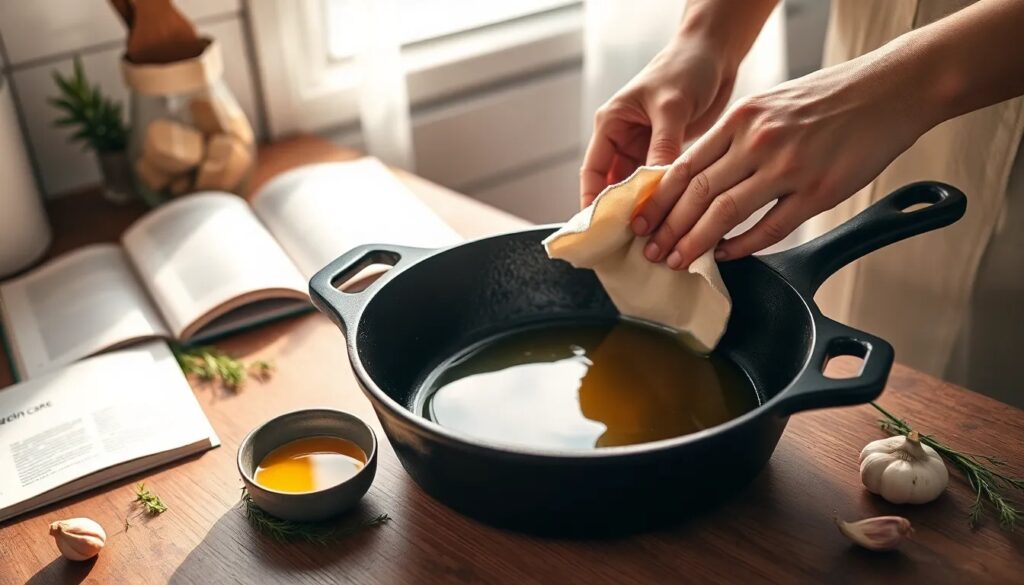
Seasoning a cast iron pan is an essential step for maintaining its longevity and nonstick surface. Whether you're a seasoned chef or a beginner, understanding the right techniques can make a significant difference. This guide will walk you through the process of seasoning a cast iron skillet effectively.
From the best oils to the ideal temperatures, we've got everything you need to keep your cast iron cookware in top condition. Let’s dive into the various aspects of seasoning a cast iron skillet made easy.
Table of Contents
- What Is Seasoning A Cast Iron Pan?
- How To Season Cast Iron For The First Time?
- How To Season Cast Iron Without Oven?
- What Temperature To Season Cast Iron?
- Best Oil For Seasoning Cast Iron?
- How To Season A Rusty Cast Iron Skillet?
- How Long To Season Cast Iron?
- Related Questions About Seasoning Cast Iron
What Is Seasoning A Cast Iron Pan?
Seasoning a cast iron pan refers to the process of applying oil to the surface and baking it to create a natural, nonstick coating. This method not only enhances the cooking surface but also protects the pan from rust.
The oil undergoes a chemical reaction known as polymerization when heated, forming a hard layer that bonds to the iron. This process results in a skillet that can withstand high temperatures and provide excellent cooking performance.
Many home cooks appreciate the unique flavors that cast iron cookware can impart to their meals, especially when using fats from meats or oils that enhance the seasoning. Thus, maintaining the seasoning is crucial for optimal cooking results.
How To Season Cast Iron For The First Time?
Seasoning cast iron for the first time involves a few simple steps:
- Clean the skillet: Start by washing the skillet with warm, soapy water and a stiff brush to remove any factory residue.
- Dry thoroughly: Make sure to dry the pan completely to prevent rusting.
- Apply oil: Use a thin layer of oil, preferably flaxseed oil or vegetable oil, covering the entire surface.
- Bake it: Place the skillet upside down in a preheated oven at 450°F (about 232°C) for one hour.
- Cool it down: Let the pan cool in the oven before removing it.
Repeating this process 3-4 times helps build a robust seasoning layer that enhances the skillet’s nonstick properties. Each layer adds to the protective coating, ensuring a well-seasoned pan.
How To Season Cast Iron Without Oven?
If you don’t have access to an oven, don't worry! You can still successfully season your cast iron skillet using alternative methods.
One effective method is to use a stovetop. Simply apply a thin layer of oil and place the skillet on the stove over medium heat. Let it heat until the oil begins to smoke, then turn off the heat and cool the pan.
Another option is to use a grill. Preheat the grill to high temperature, then place the skillet upside down on the grill grates. This method not only seasons the pan but also imparts a unique smoky flavor to your food.
What Temperature To Season Cast Iron?
The ideal temperature for seasoning cast iron is around 450°F (232°C). This high temperature allows the oil to reach its smoking point, initiating the polymerization process.
Maintaining this temperature for about an hour ensures that the oil bonds effectively to the surface, creating a durable nonstick layer. It’s important to preheat the oven before placing the skillet inside to achieve consistent results.
Experimenting with different temperatures is possible, but caution is advised, as temperatures below 400°F might not provide the desired results.
Best Oil For Seasoning Cast Iron?
Choosing the right oil for seasoning a cast iron skillet is crucial for achieving a durable nonstick surface. Here are some of the best options:
- Flaxseed oil: Known for its high smoke point and polymerization properties, this oil creates a hard, durable coating.
- Canola oil: A popular choice due to its neutral flavor and high smoke point, making it ideal for seasoning.
- Grapeseed oil: Another great option with a high smoke point that offers a smooth finish.
- Crisco: This vegetable shortening is easy to work with and creates an excellent layer of seasoning.
Each of these oils can effectively contribute to creating a nonstick surface, but flaxseed oil is often recommended for its superior seasoning qualities.
How To Season A Rusty Cast Iron Skillet?
Restoring a rusty cast iron skillet is not as daunting as it may seem. Follow these steps to bring your skillet back to life:
- Remove rust: Use a steel wool pad or a wire brush to scrub away the rust. Rinse and dry the pan thoroughly.
- Apply oil: Once the rust is removed, apply a thin layer of your chosen oil.
- Bake: Place the skillet in an oven preheated to 450°F (232°C) upside down for about an hour.
- Repeat: You may need to repeat the seasoning process several times to restore the skillet fully.
Regular use of the skillet with cooking fats can help further establish a protective seasoning layer, preventing future rust.
How Long To Season Cast Iron?
When it comes to seasoning cast iron, the time required will depend on your specific needs and the condition of the pan. Generally, each seasoning layer should be baked for about one hour at 450°F.
For best results, it's often recommended to repeat the seasoning process 3-4 times. This creates a thicker and more resilient coating that enhances the skillet's performance and longevity.
After the initial seasoning, regular cooking with fats will help maintain and improve the seasoning over time, ensuring that your skillet remains in top shape.
What is the best way to season a cast iron skillet?
The best way to season a cast iron skillet involves thoroughly cleaning it, applying a thin layer of oil, and baking it at a high temperature. Flaxseed oil is often recommended due to its excellent polymerization properties, ensuring a durable nonstick surface. Consistency is key—repeating this process several times will build a robust seasoning layer.
Should I season cast iron at 350 or 450?
It is advisable to season cast iron at 450°F. This temperature allows the oil to reach its smoking point, enhancing the polymerization process which creates a strong nonstick surface. Seasoning at a lower temperature may not provide the same results, risking inadequate bonding of the oil to the iron.
What is the best oil to season cast iron with?
The best oils for seasoning cast iron include flaxseed oil, canola oil, and grapeseed oil. Flaxseed oil is particularly favored because it polymerizes well, forming a hard, durable coating. Canola and grapeseed oils also work effectively, offering high smoke points and neutral flavors.
How many times do you season cast iron?
Typically, it is recommended to season your cast iron skillet 3-4 times during the initial seasoning process. This allows for adequate build-up of the seasoning layer, enhancing the skillet's nonstick properties and protecting it from rust. After the initial seasonings, regular use will continue to improve the skillet’s surface.
The Best Way To Clean and Season a Cast Iron Skillet | Epicurious 101

If you want to know other articles similar to Seasoning a cast iron skillet made easy you can visit the category Seasoning & Marinades.

More embers