

Pork butt: the ultimate guide to smoking and pulled pork
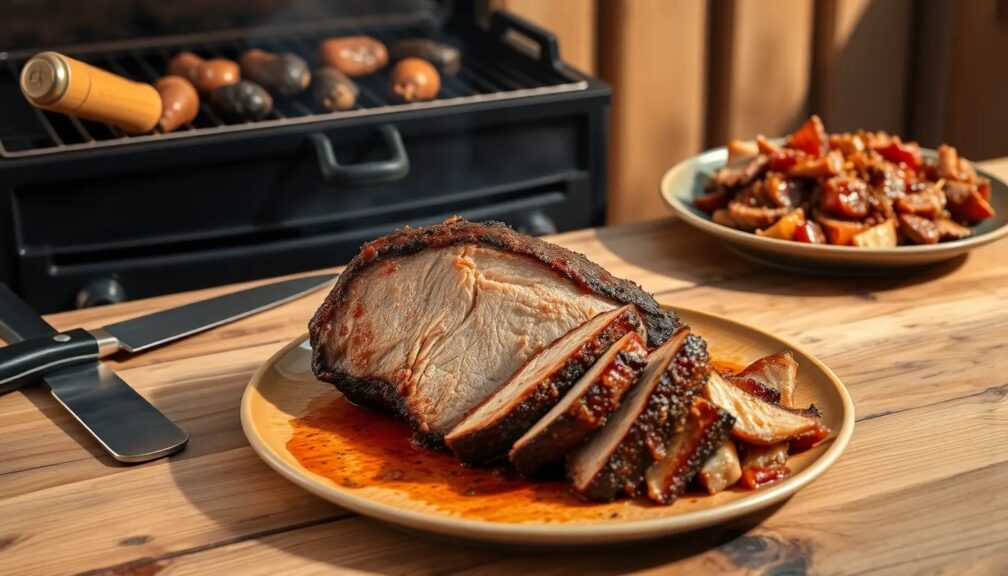
Pork butt, often associated with delectable pulled pork, has gained immense popularity in the realm of Southern BBQ. Its affordability and rich flavor make it a favorite among home cooks and pitmasters alike. In this guide, we will explore everything you need to know about pork butt, from preparation to cooking techniques.
Whether you’re a novice or an experienced cook, this comprehensive guide will enhance your understanding of this beloved cut of meat, enabling you to create mouth-watering dishes that family and friends will adore.
Table of Contents
- What Is Pork Butt And Why Is It Popular?
- How To Make Smoked Pork Butt At Home?
- What Are The Best Ingredients For Smoked Pulled Pork?
- How Long To Smoke A Pork Butt For Perfect Results?
- What Is The Difference Between Pork Butt And Pork Shoulder?
- What Are Some Delicious Serving Suggestions For Pulled Pork?
- Related Questions About Pork Butt
What Is Pork Butt And Why Is It Popular?
Pork butt, also known as Boston butt, is a cut derived from the upper part of the pig's shoulder. Its popularity stems from its rich marbling and robust flavor, making it ideal for slow cooking and smoking. The fat content in this cut ensures that the meat remains tender and juicy, even after long cooking times.
This cut is a staple in Southern BBQ due to its versatility and ability to absorb flavors. Many BBQ enthusiasts prefer using pork butt for pulled pork because it breaks down beautifully during cooking, resulting in a tender, flavorful dish that can be served in numerous ways.
In addition to its flavor, pork butt is relatively inexpensive compared to other cuts of meat, making it a great option for large gatherings or family meals. It is often seasoned with a variety of rubs, from traditional BBQ styles to unique spice blends, enhancing its appeal.
How To Make Smoked Pork Butt At Home?
Making smoked pork butt at home can be an exciting culinary adventure. Follow these steps to create a delicious smoked dish:
- Choose Your Meat: Start with a quality pork butt, typically weighing between 5 to 10 pounds.
- Season Generously: Apply a BBQ rub of your choice. A popular option is Meat Church Hickory AP rub, which adds a fantastic smoky flavor.
- Prepare Your Smoker: Preheat your smoker to 250°F. Using wood chips like hickory or applewood will impart a rich smokiness to the pork.
- Low and Slow: Place the pork butt in the smoker fat side up and let it cook for several hours. Maintain a consistent temperature for the best results.
- Wrap It Up: Once it reaches an internal temperature of around 160°F, consider wrapping it in butcher paper or foil to retain moisture.
- Finish Cooking: Continue cooking until it reaches an internal temperature of 195°F to 205°F for perfect tenderness.
After cooking, allow the meat to rest for at least 30 minutes before pulling it apart. This will help the juices redistribute, resulting in a more flavorful dish.
What Are The Best Ingredients For Smoked Pulled Pork?
To create the best smoked pulled pork, it's essential to use high-quality ingredients. Here are some must-have components:
- Pork Butt: The star of the show, ensure it’s fresh and well-marbled.
- Mustard: Use as a binder for your rub to help seasonings stick and add subtle flavor.
- BBQ Rub: A blend of spices enhances the flavor. Look for options that include brown sugar, paprika, and garlic powder.
- Fruit Juice: Apple juice or cider can be used as a spritz during cooking to keep the meat moist.
- Wood Chips: For smoking, hickory and applewood are excellent choices to impart a delicious flavor.
These ingredients work synergistically to ensure that your pulled pork is not only flavorful but also tender and juicy. Experimenting with different combinations can lead to unique flavor profiles that suit your palate.
How Long To Smoke A Pork Butt For Perfect Results?
The duration to smoke a pork butt can vary based on several factors, including the size of the meat and the temperature of your smoker. As a general rule, plan for about 1.5 to 2 hours per pound when smoking at 250°F.
For example, a 7-pound pork butt may take approximately 10 to 14 hours to reach the desired internal temperature of 195°F to 205°F. It's crucial to monitor the temperature regularly rather than relying solely on time.
During the smoking process, you may encounter a phase known as the stall, where the internal temperature of the meat plateaus. This is normal and can last for several hours. To overcome the stall, some pitmasters wrap the pork butt in foil to help it cook faster.
What Is The Difference Between Pork Butt And Pork Shoulder?
Pork butt and pork shoulder are often confused due to their similar origins; however, there are notable differences. Pork butt, or Boston butt, comes from the upper part of the shoulder, while pork shoulder comes from the lower part.
One of the key differences lies in the fat content. Pork butt typically has more marbling and connective tissue, resulting in a richer flavor when cooked low and slow. On the other hand, pork shoulder tends to be leaner, which may lead to a drier outcome if not cooked properly.
When choosing between the two, consider your cooking method. If you're aiming for tender, juicy pulled pork, pork butt is generally the better option. However, both cuts can be used for various dishes, depending on your cooking approach and desired results.
What Are Some Delicious Serving Suggestions For Pulled Pork?
Once you've perfected your smoked pork butt, there are countless ways to serve it. Here are some popular suggestions:
- Pulled Pork Sandwiches: Serve the shredded pork on a bun with coleslaw and BBQ sauce for a classic meal.
- Tacos: Use pulled pork as a filling for tacos, topped with fresh cilantro, onions, and lime.
- Nachos: Layer tortilla chips with pulled pork, cheese, jalapeños, and your favorite toppings.
- Stuffed Potatoes: Top baked potatoes with pulled pork, sour cream, and cheese for a hearty dish.
- Salads: Add pulled pork to salads for a protein-packed meal that’s full of flavor.
These serving suggestions highlight the versatility of pulled pork, making it suitable for various festivities or casual dinners alike. You can adapt these ideas to match your personal tastes or the preferences of your guests.
Is pork shoulder and pork butt the same?
No, pork shoulder and pork butt are not the same. While both cuts come from the shoulder of the pig, pork butt (or Boston butt) is the upper part with more marbling, making it ideal for slow cooking. Pork shoulder is the lower part and tends to be leaner.
How long does it take to cook a pork butt?
Cooking a pork butt typically takes about 1.5 to 2 hours per pound at 250°F. For a standard pork butt weighing around 7 pounds, you can expect it to take between 10 to 14 hours to reach the desired tenderness.
Why is it called pork butt?
The term "pork butt" originates from the 18th century when the cut was often stored in barrels called "butts." Despite the name, it does not refer to the rear part of the pig but rather the upper shoulder cut.
Is pulled pork better at 190 or 205?
Pulled pork is generally considered better at an internal temperature of around 195°F to 205°F. This range allows the collagen in the meat to break down, resulting in tender, easily shreddable pork.
If you want to know other articles similar to Pork butt: the ultimate guide to smoking and pulled pork you can visit the category Pork Marinades.

More embers