

Kurobuta pork: what makes it unique

Kurobuta pork is renowned for its exceptional quality and flavor, often considered a gourmet delicacy. Originating from Berkshire pigs, this premium meat is prized for its rich marbling and tender texture, setting it apart from regular pork. In this article, we will explore the distinctive characteristics of Kurobuta pork and what makes it a sought-after choice for culinary enthusiasts.
Table of Contents
What makes Kurobuta pork unique?
One of the standout features of Kurobuta pork is its incredible flavor profile. This pork is known for being juicier and more tender than typical varieties. The breed itself, Berkshire, is famous for its ability to produce meat with a sweet, rich taste that elevates any dish.
Kurobuta pork has a unique upbringing, often raised on heritage farms that prioritize animal welfare and quality feed. This careful breeding and nurturing process contributes significantly to the flavor and texture of the meat. The careful husbandry practiced in regions such as Kagoshima in Japan is also a critical factor in the superior quality of Kurobuta.
Moreover, the marbling of Kurobuta pork is another defining characteristic. The intramuscular fat creates a melt-in-your-mouth experience that is hard to replicate with standard pork products. This exceptional marbling not only enhances the taste but also helps keep the meat moist during cooking.
What are the characteristics of Kurobuta pork?
Kurobuta pork exhibits several notable characteristics that make it stand out:
- Superior Marbling: The fat distribution in Kurobuta pork is much finer, resulting in rich flavor and tenderness.
- Juiciness: Due to its higher fat content, Kurobuta pork remains juicy and succulent even after cooking.
- Flavor: This pork has a slightly sweet taste, elevating it above regular pork options.
- Texture: Kurobuta pork is exceptionally tender, making it ideal for various cooking methods.
- Healthier Fats: The fat in Kurobuta pork is considered more beneficial, containing a higher proportion of unsaturated fats.
These characteristics combine to create an elevated dining experience that is often sought after in high-end restaurants. The meticulous care in raising Berkshire pigs translates directly into the quality of the meat, making it a favorite among chefs.
Where can you find Kurobuta pork?
Finding authentic Kurobuta pork can be a delightful quest for food enthusiasts. Many upscale grocery stores and specialized butchers carry this premium meat. It's essential to look for labels that explicitly state "Kurobuta" to ensure you are getting the genuine product.
Additionally, there are several online retailers that offer Kurobuta pork for delivery, providing convenience for those who may not have access to local sources. Here are some tips on where to buy Kurobuta pork near you:
- Check local farmers' markets that focus on heritage and specialty meats.
- Visit Asian grocery stores, as they often stock high-quality Japanese products.
- Search for local butchers who specialize in gourmet meats.
If you prefer to explore options online, several websites provide fresh Kurobuta pork delivered straight to your door, ensuring that you can enjoy this delicacy no matter your location.
How much does Kurobuta pork cost?
Kurobuta pork is often considered a luxury item, and its price reflects this premium quality. On average, you can expect to pay significantly more compared to regular pork. The average price for Kurobuta pork can range from $20 to $40 per pound, depending on factors such as the cut and the supplier.
Several factors contribute to the higher cost of Kurobuta pork:
- Rarity: The specific breed and its breeding practices lead to limited availability.
- Quality Feed: Berkshire pigs are often fed a diet that enhances the quality of the meat, which increases production costs.
- Artisan Practices: Many producers use traditional methods that require more labor and time.
Despite the higher price tag, many aficionados believe that the flavor and quality justify the cost, making it a worthwhile investment for special occasions or gourmet cooking.
What are some delicious Kurobuta pork recipes?
Cooking Kurobuta pork allows you to explore a variety of delicious recipes. Here are a few popular options that highlight its unique flavors:
- Kurobuta Pork Chops: Simply seasoned with salt and pepper, grill or pan-sear to perfection.
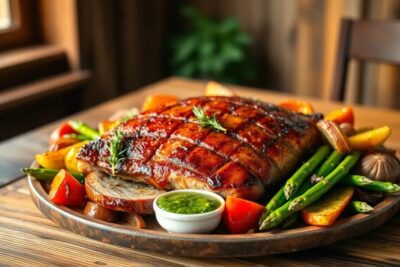
- Kurobuta Pork Belly: Slow-roasted for tender, crispy skin; serve with a side of apple sauce for balance.
- Kurobuta Pork Burger: Ground Kurobuta mixed with herbs and spices, grilled to juicy perfection and served with gourmet toppings.
These recipes showcase the versatility of Kurobuta pork, emphasizing its ability to shine in both simple and elaborate dishes. Whether you're preparing a casual dinner at home or hosting a special gathering, Kurobuta pork is sure to impress your guests with its remarkable taste.
What is the difference between Kurobuta and regular pork?
The differences between Kurobuta pork and regular pork are profound, primarily revolving around quality and flavor. Regular pork is typically sourced from commercial breeds, which often lack the same level of care and breeding practices that Kurobuta pigs receive.
Some key differences include:
- Marbling: Kurobuta pork features superior marbling compared to regular pork, leading to enhanced flavor and tenderness.
- Raising Practices: Kurobuta pigs are often raised in a more natural environment, contributing to their overall health and meat quality.
- Taste: The taste of Kurobuta is richer and slightly sweeter, making it more desirable for gourmet dishes.
Due to these factors, Kurobuta pork is often referred to as the Wagyu of pork, highlighting its premium status in the culinary world.
What is so special about Kurobuta pork?
Kurobuta pork is special due to its unique flavor profile, exceptional tenderness, and superior marbling. It is often regarded as the finest quality pork available, resulting from the meticulous breeding of Berkshire pigs. This breed is known for its rich taste and juicy texture, making it a favorite among chefs and food enthusiasts alike.
Why is Kurobuta pork so expensive?
The high cost of Kurobuta pork can be attributed to several factors. The rarity of Berkshire pigs, particularly those raised according to traditional methods, contributes significantly to the price. Additionally, the quality of feed and the care that goes into raising these pigs further increase production costs. This combination of factors results in a premium product that commands a higher price in the market.
What is the difference between Kurobuta and regular pork?
The primary differences between Kurobuta pork and regular pork lie in flavor, texture, and production methods. Kurobuta pork is characterized by its intense marbling and tenderness, providing a superior eating experience. Regular pork, on the other hand, often lacks this level of care in breeding and feeding, resulting in a less flavorful product. The careful husbandry practices applied to Kurobuta pigs further enhance its distinction.
What is the most expensive pork in the world?
Kurobuta pork is often cited as one of the most expensive types of pork available globally. The price tag can reach upwards of $40 per pound in some cases, particularly for premium cuts sourced from reputable farms. This expense reflects the meticulous care and quality associated with Kurobuta pork, making it a sought-after delicacy among gourmets and chefs.
If you want to know other articles similar to Kurobuta pork: what makes it unique you can visit the category Pork Marinades.

More embers