
Chicken temp for done cooking
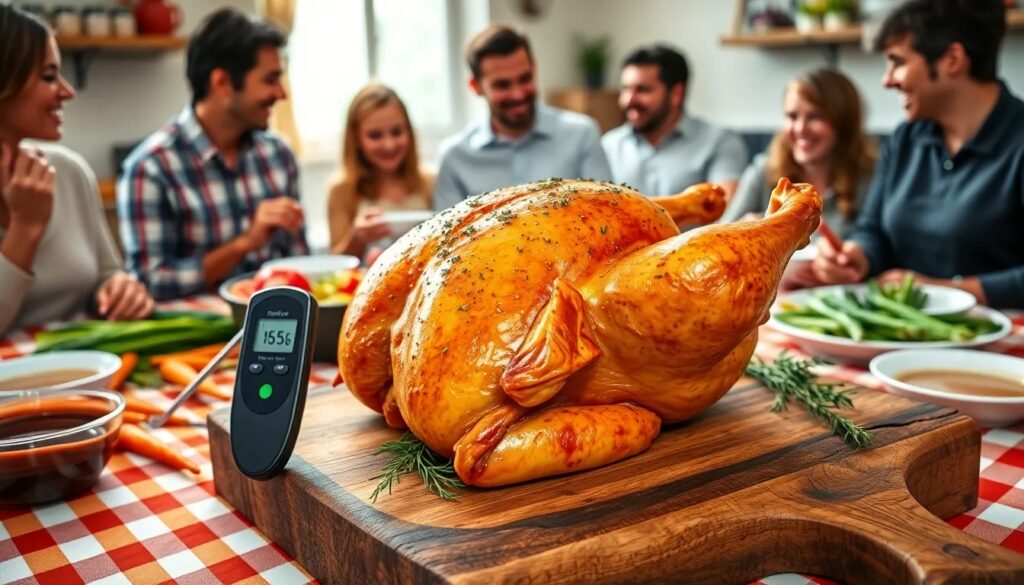
Cooking chicken to the appropriate temperature is essential for both food safety and achieving the best flavor. Understanding the right chicken temp for done cooking can help prevent foodborne illnesses and enhance your culinary experience. In this article, we will explore the safe cooking temperatures, methods, and other key factors related to cooking chicken properly.
Table of Contents
- What is the safe minimum internal temperature for chicken?
- How do different cuts of chicken require different cooking temperatures?
- What temperature should chicken be cooked to in the oven?
- Why is it important to use a food thermometer when cooking chicken?
- What are the internal temperatures for doneness and eating quality of chicken?
- How can I tell if my chicken is cooked properly?
- Why can cooked chicken still be pink?
- Related Questions About Chicken Cooking Temperatures
What is the safe minimum internal temperature for chicken?
The safe minimum internal temperature for chicken is 165°F (74°C). This temperature is crucial to ensure that any harmful bacteria, including Salmonella and Campylobacter, are effectively killed. Using a reliable food thermometer is the best way to confirm that your chicken has reached this safe cooking temperature.
It's important to note that different parts of the chicken may require slight adjustments in cooking times. For instance, while the breast is safe at 165°F, cooking it further to about 170°F can enhance juiciness without compromising safety.
When cooking chicken, always measure the temperature at the thickest part of the meat, avoiding bones, as they can give an inaccurate reading. This practice will ensure the chicken is cooked evenly and safely throughout.
How do different cuts of chicken require different cooking temperatures?
Different cuts of chicken require varying cooking temperatures to achieve optimal tenderness and flavor. For example, chicken breasts should be cooked to an internal temperature of about 150°F for the best texture. Cooking past this point can lead to dryness, especially when cooking chicken breasts.
On the other hand, darker meat such as thighs and legs usually benefits from a higher cooking temperature, around 170°F. This helps break down the collagen in the meat, making it tender and flavorful.
Here’s a quick reference for various chicken cuts and their recommended internal temperatures:
- Chicken breast: 150°F (65°C)
- Thighs: 170°F (77°C)
- Wings: 165°F (74°C)
- Drumsticks: 170°F (77°C)
Understanding these differences will help you achieve juicy chicken every time you cook.
What temperature should chicken be cooked to in the oven?
When cooking chicken in the oven, the recommended temperature is still 165°F for safety. However, many chefs prefer to cook chicken breast to around 150°F because it remains more tender.
Cooking chicken at a higher oven temperature, such as 375°F to 425°F, can also yield a beautifully roasted exterior. Keep in mind that the cooking time will vary based on the size and cut of the chicken, so using a thermometer is essential.
Ensure that you allow the chicken to rest for a few minutes after cooking; this helps redistribute the juices and contributes to a more flavorful dish. In addition, consider using marinades or brines to enhance moisture and flavor during cooking.
Why is it important to use a food thermometer when cooking chicken?
Using a food thermometer is vital for ensuring that your chicken has reached the recommended internal temperatures. This tool takes the guesswork out of cooking, allowing you to focus on other aspects of your meal preparation.
Not only does a thermometer help prevent undercooked chicken, which can lead to foodborne illnesses, but it also helps avoid overcooking. Overcooked chicken can become dry and tough, which defeats the purpose of a delicious meal.
Additionally, many people mistakenly judge the doneness of chicken by its color. This method can be misleading, as some chicken can appear fully cooked even when it is underdone. A food thermometer provides a reliable and accurate measure of doneness, ensuring safety without sacrificing quality.
What are the internal temperatures for doneness and eating quality of chicken?
The internal temperatures for doneness in chicken vary by cut, but the following guidelines can help ensure both safety and eating quality:
- Chicken breast: 150°F (65°C) for juiciness
- Thighs and drumsticks: 170°F (77°C) for tenderness
- Stuffed chicken: 165°F (74°C) to ensure stuffing is safe
Cooking chicken to these temperatures helps maintain its flavor and texture. Remember that the chicken will continue to cook slightly after it's removed from the heat, so it's okay to take it off a few degrees early.
Moreover, keeping chicken covered while resting can help retain moisture and improve overall eating quality.
How can I tell if my chicken is cooked properly?
To determine if your chicken is cooked properly, the best method is still to use a food thermometer. However, there are several visual indicators to watch for:
- Juice clarity: When chicken is fully cooked, the juices that run from it should be clear, not pink or red.
- Color of the meat: The interior of chicken should no longer be pink. However, some cuts, like thighs, may still show a slight pink hue even when they are fully cooked.
- Texture: Properly cooked chicken should feel firm to the touch. Overcooked chicken will feel dry and hard.
While these visual cues can be useful, they should not replace the accuracy of a thermometer. Always prioritize checking the internal temperature for food safety.
Why can cooked chicken still be pink?
Cooked chicken can sometimes appear pink for several reasons, even when it is fully cooked. One common cause is the presence of myoglobin, a protein that can give the meat a pinkish hue even at safe cooking temperatures.
Another reason may be the cooking method. Smoked or grilled chicken can retain a pink color due to the reaction of smoke with the meat, which doesn't indicate that it's undercooked.
Lastly, cooking chicken at a lower temperature can lead to a pink appearance, especially in the joints. Therefore, it is crucial to rely on a food thermometer to confirm the chicken temp for done cooking, rather than solely depending on visual cues.
Is 145 degrees safe for chicken?
Cooking chicken to 145°F is not considered safe for consumption. The USDA recommends a minimum internal temperature of 165°F to effectively eliminate harmful bacteria. While 145°F is acceptable for certain cuts of beef, chicken requires higher temperatures for safe eating.
Is chicken cooked to 165 or 180?
Chicken should be cooked to a minimum of 165°F to ensure safety. However, many chefs prefer to cook dark meat cuts, like thighs and legs, to around 180°F for improved tenderness and flavor. Always use a thermometer to check.
Can you eat chicken at 155 F?
While cooking chicken to 155°F will kill most pathogens, it is not the recommended safe cooking temperature. The USDA advises cooking all chicken to at least 165°F to guarantee its safety and minimize the risk of foodborne illness.
Is chicken overcooked at 200 degrees?
Cooking chicken at 200°F is not necessarily dangerous, but it can lead to dry, tough meat. While the USDA states that chicken needs to reach 165°F for safety, cooking it significantly higher can cause it to lose moisture and tenderness.
If you want to know other articles similar to Chicken temp for done cooking you can visit the category Chicken Marinades.

More embers