

Iron cast pan seasoning guide
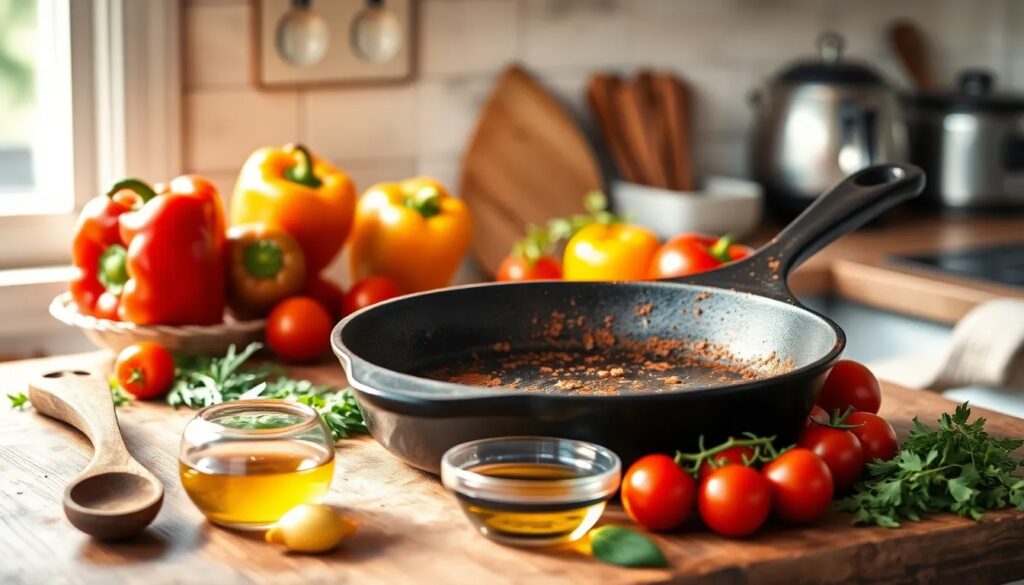
Seasoning a cast iron pan is crucial for enhancing its nonstick properties and prolonging its lifespan. This guide provides clear steps to ensure your pan performs at its best. Whether you are a seasoned cook or a beginner, mastering the art of iron cast pan seasoning will elevate your culinary skills.
Understanding how to properly season your cast iron skillet can make a significant difference in your cooking experience. This article will cover various methods, tips, and techniques to help you achieve the perfect seasoning.
Table of Contents
- How to season a cast iron skillet for the first time
- How to season cast iron without oven
- How to season a rusty cast iron skillet
- What temperature to season cast iron?
- How to season cast iron in oven
- Best iron cast pan seasoning techniques
- Related questions about cast iron pan seasoning
- Questions related to iron cast pan seasoning
How to season a cast iron skillet for the first time
When seasoning a cast iron skillet for the first time, it's essential to start with a clean slate. Begin by washing the pan with warm soapy water to remove any factory residues. Rinse thoroughly and dry the pan completely to prevent rust.
After cleaning, apply a thin layer of high-quality oil, such as flaxseed or grapeseed oil. These oils can withstand high heat and create a strong seasoning layer. Make sure to cover the entire surface, including the handle and the bottom.
- Heat the oven to 375°F (190°C).
- Place the skillet upside down on the oven rack to prevent oil pooling.
- Bake for one hour, allowing the oil to polymerize and form a durable coating.
- Turn off the oven and let the pan cool inside.
Repeat this process 2-3 times for optimal results. Each layer adds to the nonstick surface, enhancing the overall performance of your skillet.
How to season cast iron without oven
Not everyone has access to an oven, but you can still effectively season your cast iron pan on the stovetop. Start by cleaning the skillet just as you would for oven seasoning.
After drying, heat the pan on medium heat until it's warm, then add a small amount of oil. Swirl it around to ensure an even coating, and let it heat until the oil begins to smoke slightly. This indicates that the oil is bonding to the iron.
- Remove the pan from heat and let it cool.
- Wipe off any excess oil with a paper towel.
- Repeat the heating and oiling process several times to build a strong seasoning.
This method is especially useful for quick touch-ups or if you're cooking on the grill.
How to season a rusty cast iron skillet
Restoring a rusty cast iron skillet requires a bit more effort but is entirely feasible. First, remove as much rust as possible using a fine steel wool or a rust eraser. This will help in re-establishing a solid base for seasoning.
Once the rust is gone, wash the skillet thoroughly, and dry it completely. Next, apply a thin layer of oil and follow the oven or stovetop seasoning method outlined above. However, you may want to bake it longer or use a higher temperature to ensure the oil fully penetrates the porous surface and protects it effectively.
Regular use and proper maintenance will help prevent rust from recurring. Remember that proper seasoning creates a protective layer that can withstand moisture.
What temperature to season cast iron?
The optimal temperature for seasoning cast iron varies, but a range of 375°F to 450°F (190°C to 230°C) is generally recommended. Heating the skillet at these temperatures allows the oil to polymerize, forming a robust nonstick layer.
For initial seasoning, aim for 450°F (230°C) to achieve a stronger bond. This high temperature ensures that the oil fully adheres to the metal surface. However, be cautious with certain oils that have lower smoke points, as they may degrade at higher temperatures.
Always monitor your pan during the seasoning process to avoid any overheating or burning of the oil, which can create a sticky residue instead of a smooth finish.
How to season cast iron in oven
Using the oven is the most effective method to season your cast iron cookware. After thoroughly cleaning and drying the pan, apply a thin layer of oil and place it upside down in a preheated oven at 375°F (190°C).
Let it bake for an hour, allowing the heat to create a hard, protective coating. The oil reacts with the iron, filling in the pores and forming a nonstick surface.
- Make sure to place a baking sheet or aluminum foil on the lower rack to catch any drips.
- Repeat the seasoning process 2-3 times for the best results.
This method is ideal as it allows the heat to circulate evenly, ensuring consistent seasoning across the entire surface.
Best iron cast pan seasoning techniques
To achieve the best results in iron cast pan seasoning, consider the following techniques:
- Choose the right oil: Flaxseed oil is often recommended for its high smoke point and ability to create a durable layer.
- Clean thoroughly: Always remove food residues and moisture before applying oil.
- Don’t skip the baking: Baking the pan is crucial for developing the seasoning properly.
- Regularly use your skillet: Frequent cooking with fats like bacon helps maintain and improve the seasoning.
- Store properly: Keep your skillet in a dry place to avoid moisture buildup.
By following these techniques, you will ensure that your cast iron cookware remains in excellent condition and serves you well for years to come.
What is the best way to season your cast iron skillet?
The best way to season your cast iron skillet includes cleaning it thoroughly, applying a thin layer of oil, and baking it upside down in a hot oven. This method ensures even heat distribution and a durable nonstick surface. Remember, the key is to apply oil sparingly to avoid a sticky finish.
Should I season cast iron at 350 or 450?
Seasoning cast iron at 450°F (230°C) is preferable for creating a robust bond between the oil and the skillet. This higher temperature helps to polymerize the oil effectively, resulting in a stronger nonstick layer. However, 350°F (175°C) can also work if you prefer a gentler approach.
What is the best oil to season a cast iron skillet?
Flaxseed oil is often recommended due to its high smoke point and ability to create a hard coating. Other good options include grapeseed oil, vegetable oil, and canola oil. Choose a high-quality oil to ensure the best results in iron cast pan seasoning.
Do I need to season cast iron after every use?
It’s not necessary to season your cast iron skillet after every use. Regular cleaning and occasional reseasoning—especially if you notice food sticking—will suffice. A good rule of thumb is to reseason the skillet if it starts to lose its nonstick properties or after an intensive cleaning session.
Incorporating these tips will not only enhance your cooking experience but will also prolong the life of your cast iron cookware. Remember, a well-seasoned cast iron pan can become an invaluable tool in your kitchen.
If you want to know other articles similar to Iron cast pan seasoning guide you can visit the category Seasoning & Marinades.

More embers