

Butter smoke point and its importance in cooking
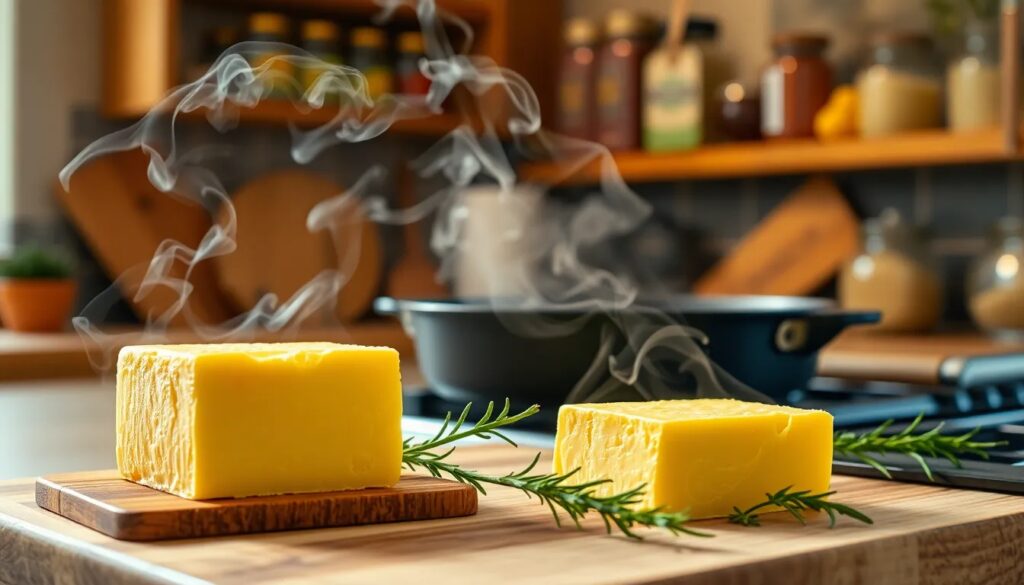
Understanding the butter smoke point is crucial for home cooks and professional chefs alike. This knowledge ensures that you cook effectively and safely, preserving the flavors of your dishes. In this article, we will explore various aspects of smoke points, particularly focusing on butter and its comparisons with other common cooking oils.
Table of Contents
- Smoke point of cooking oils
- What is a smoke point and why does it matter?
- What is the butter smoke point?
- How does the butter smoke point compare to olive oil?
- What is the smoke point of ghee?
- What is the smoke point of canola oil?
- When should you use high smoke point oils?
- What are the effects of heating oils past their smoke point?
- Questions related to cooking oils and butter smoke point
Smoke point of cooking oils
The smoke point is the temperature at which oil begins to smoke and break down. When this happens, the oil not only loses its flavor but can also produce harmful compounds. Knowing the smoke points of different cooking oils is essential for achieving the best results in the kitchen.
Different oils have varying smoke points based on their composition and whether they are refined or unrefined. For example, refined oils typically have higher smoke points, making them suitable for high-temperature cooking methods like frying.
Here are some common oils and their smoke points for reference:
- Butter: 350°F (177°C)
- Olive oil (extra virgin): 375-410°F (190-210°C)
- Canola oil: 400°F (204°C)
- Ghee: 450°F (232°C)
- Refined avocado oil: 520°F (271°C)
Understanding these values can help you choose the right oil for your cooking needs, ensuring flavor integrity and safety.
What is a smoke point and why does it matter?
The smoke point is a critical factor in cooking that indicates the temperature at which an oil will start to smoke. This is important because cooking above an oil’s smoke point can lead to the formation of harmful substances. Additionally, it can ruin the flavor of your dishes.
When oils are heated past their smoke points, they can produce free radicals and other toxic compounds that may pose health risks. Furthermore, the degradation of the oil can result in unpleasant flavors, ruining the integrity of your meal.
Choosing the right oil based on this knowledge can significantly impact your cooking techniques, making it essential for both flavor and health. Understanding your oil's smoke point allows you to select the appropriate cooking method and temperature, ensuring delicious results every time.
What is the butter smoke point?
The butter smoke point is approximately 350°F (177°C). This relatively low smoke point makes butter a great choice for low to medium heat cooking, such as sautéing vegetables or making sauces. However, it is essential to monitor your cooking temperatures to prevent burning.
Butter consists of milk solids and water, which contribute to its distinct flavor but also lower its smoke point. When cooking with butter, it's advisable to keep the heat below this temperature to maintain its flavor and health benefits.
For those who want a higher smoke point, clarified butter or ghee can be excellent alternatives. Ghee has a smoke point of around 450°F (232°C), making it ideal for high-heat cooking while retaining the rich flavors associated with butter.
How does the butter smoke point compare to olive oil?
When comparing the butter smoke point with that of olive oil, it's crucial to note that extra virgin olive oil has a smoke point ranging from 375°F to 410°F (190°C to 210°C). This means that olive oil can withstand slightly higher temperatures than butter, making it more versatile for various cooking methods.
Using olive oil for sautéing or frying offers a greater margin of safety in terms of smoke point, allowing for a broader range of techniques without compromising flavor. Additionally, olive oil is rich in monounsaturated fats and antioxidants, offering health benefits that butter may not provide.
However, the choice between butter and olive oil also depends on the flavor profile desired in your dish. While olive oil brings its own distinct taste, butter enhances dishes with its creamy, rich flavor, making it particularly suitable for certain sauces and baked goods.
What is the smoke point of ghee?
Ghee, a form of clarified butter, has a significantly higher smoke point of approximately 450°F (232°C). This makes it an excellent choice for high-temperature cooking methods, such as frying and roasting, while still retaining the buttery flavor many cooks love.
Since ghee is devoid of milk solids and water, it withstands higher temperatures without burning. This not only preserves the flavor but also enhances the nutrient density of the oil. Many chefs prefer ghee when preparing dishes that require long cooking times at high temperatures.
In addition to its high smoke point, ghee offers additional health benefits, including healthy fats that promote better digestion and absorption of nutrients. Incorporating ghee into your cooking repertoire can elevate your dishes while remaining health-conscious.
What is the smoke point of canola oil?
Canola oil has a smoke point of around 400°F (204°C), making it suitable for high-heat cooking techniques like frying and baking. This oil is widely favored for its neutral flavor, which allows the natural flavors of the ingredients to shine through.
Another benefit of canola oil is its heart-healthy profile. It is low in saturated fats and high in omega-3 fatty acids, making it a healthier alternative for those looking to maintain a balanced diet.
However, it’s essential to choose high-quality canola oil, preferably organic and cold-pressed, to avoid the harmful effects of processed oils. Understanding the smoke point of canola oil helps in determining when to use it effectively, ensuring optimal cooking results.
When should you use high smoke point oils?
High smoke point oils are ideal for cooking methods that involve high heat, such as frying, searing, and sautéing. These methods generally require oils that can withstand temperatures well above 350°F (177°C) without smoking or burning.
Here are some instances where high smoke point oils are advantageous:
- Frying: Deep frying requires oils with a smoke point above 375°F (190°C) to avoid degradation.
- Searing: When creating a crust on meats, using high smoke point oils ensures a flavorful exterior without burning.
- Stir-frying: This quick cooking method benefits from oils that can handle high temperatures efficiently.
- Roasting: Oils with high smoke points maintain their properties during the roasting process, enhancing flavor.
Using the right oil for specific cooking techniques promotes better health and flavor. It’s essential to assess the cooking method and select the appropriate oil based on its smoke point.
What are the effects of heating oils past their smoke point?
Heating oils beyond their smoke point can lead to several adverse effects. Firstly, the oil begins to break down, producing harmful compounds that may pose health risks. These compounds can include free radicals and acrolein, which is a potential irritant.
Moreover, when oils are overheated, they lose their nutritional value, making them less beneficial for health. This degradation can also lead to undesirable flavors, ruining the taste of your dishes.
To avoid these issues, it is crucial to monitor cooking temperatures and select oils with appropriate smoke points for your methods. By doing so, you ensure a safer cooking environment, maintain the flavor quality, and preserve the health benefits of your cooking oils.
What is the smoke point of butter vs olive oil?
The smoke point of butter is approximately 350°F (177°C), while extra virgin olive oil has a smoke point ranging from 375°F to 410°F (190°C to 210°C). This means that olive oil can be used for higher temperature cooking compared to butter.
Olive oil is often favored for sautéing and frying due to its higher smoke point, which provides a greater margin for cooking without burning. On the other hand, butter offers a rich flavor that adds depth to many dishes, especially when used at lower temperatures.
Will butter burn at 400 degrees?
Yes, butter can burn at 400 degrees Fahrenheit (204 degrees Celsius), which exceeds its smoke point of 350°F (177°C). When butter is subjected to such high temperatures, it tends to produce smoke and develop a burnt flavor, compromising the dish’s quality.
For high-heat cooking, it’s advisable to use clarified butter or ghee, which have higher smoke points. These options allow for cooking at elevated temperatures while still imparting that rich butter flavor.
Which butter has the highest smoke point?
Clarified butter or ghee has the highest smoke point among butter types, reaching approximately 450°F (232°C). This makes it an excellent choice for high-heat cooking, providing the buttery flavor while preventing burning.
Regular butter, containing milk solids and water, is more prone to burning at lower temperatures. Therefore, for practices like frying or roasting where temperatures exceed 350°F, ghee or clarified butter is the preferred option.
Is butter good for high heat cooking?
Butter is not ideal for high heat cooking due to its relatively low smoke point of 350°F (177°C). This means that when exposed to high temperatures, butter can burn quickly, leading to ineffective flavors and potential health risks.
For best results in high-temperature cooking, consider substituting regular butter with ghee or clarified butter. These alternatives retain the buttery flavor while offering the versatility needed for high heat cooking techniques.
If you want to know other articles similar to Butter smoke point and its importance in cooking you can visit the category Cooking and recipes for every home cook.

More embers