
How to season wrought iron pans
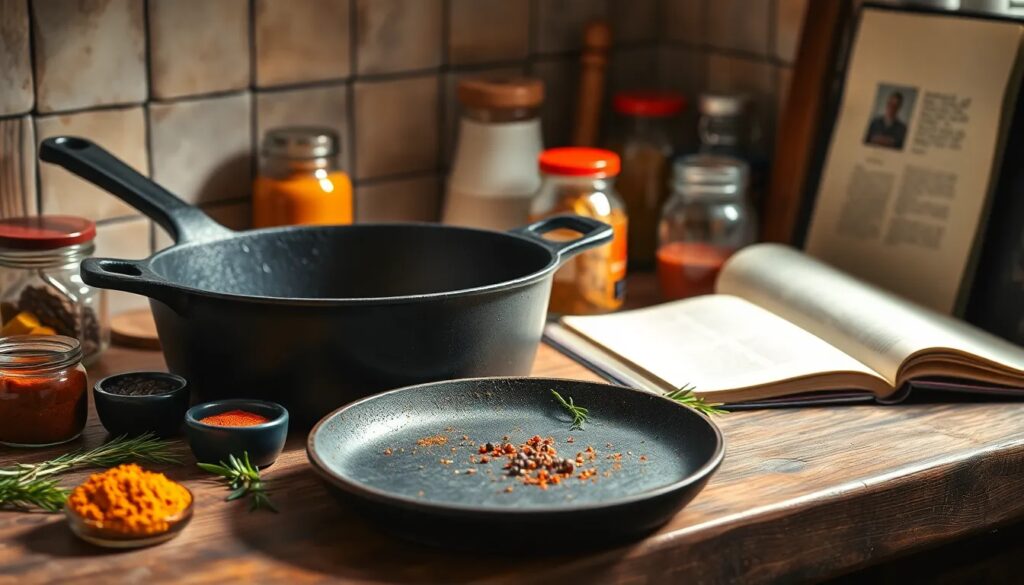
Seasoning wrought iron pans is an essential process that enhances their performance and longevity. It involves applying a thin layer of oil to create a durable nonstick surface, ensuring that your pans last for generations. Let's delve into the various techniques and tips for effectively seasoning wrought iron cookware.
Index
- How to season a wrought iron pan for the first time
- How to season wrought iron without oven
- Best seasoning wrought iron pans
- How to season a rusty wrought iron skillet
- What temperature to season wrought iron
- How to season wrought iron on stove
- Daily cleaning for lasting brilliance
- Related questions about seasoning wrought iron pans
How to season a wrought iron pan for the first time
When seasoning a new wrought iron skillet, the first step is to thoroughly clean the pan. Start by washing it with warm water and a mild detergent to remove any factory residues. After rinsing, dry the pan completely with a towel or by placing it on low heat for a few minutes.
Next, apply a thin layer of oil to the surface of the skillet. Flaxseed oil is often recommended due to its high smoke point and ability to create a strong seasoning layer. Once oiled, place the pan upside down in an oven preheated to 450°F (232°C) for about an hour. This allows the oil to polymerize, forming a hard, nonstick coating.
Finally, let the pan cool inside the oven. This process should be repeated several times to build up a robust seasoning. Remember, patience is key when seasoning wrought iron pans for the first time.
 Meat loaf seasoning guide
How to season wrought iron without oven
If you don’t have access to an oven, you can still effectively season your wrought iron pan on the stove. Begin by cleaning the pan as described previously. Place the skillet on the stove over medium heat.
Once it’s warm, add a small amount of flaxseed oil and spread it evenly across the surface. Allow the oil to heat until it reaches its smoke point, which should only take a couple of minutes. As the oil begins to smoke, carefully wipe off any excess with a paper towel.
Continue heating until the smoke dissipates, and then let the pan cool. This method may take a bit longer than using an oven, but it is equally effective at creating a durable seasoning.
Best seasoning wrought iron pans
To achieve the best results when seasoning wrought iron pans, consider the following methods:
Meat loaf seasoning guide Burger recipes seasoning guide
- Use high smoke point oils: Oils like flaxseed, canola, or grapeseed are ideal for seasoning because they can withstand high temperatures.
- Multiple thin layers: It's better to apply several thin layers of oil rather than one thick layer to prevent sticky surfaces.
- Regular maintenance: After Cooking, clean your pan with hot water and a soft sponge, then apply a light coat of oil to maintain the seasoning.
- Store properly: Keep your seasoned pans in a dry place to prevent rusting.
These practices will help you maintain a nonstick surface and extend the lifespan of your cookware significantly.
How to season a rusty wrought iron skillet
If you discover that your wrought iron skillet has developed rust, don't fret. It can be restored through proper seasoning techniques. Begin by scrubbing the rust away with steel wool or a scrub brush. Make sure to remove all rust particles to prepare the surface for seasoning.
After cleaning, wash and dry the pan thoroughly. It's crucial to eliminate any moisture to prevent further rusting. Once dry, apply a thin layer of oil and follow the same seasoning process as you would for a new pan, either in the oven or on the stove.
It may take a few rounds of seasoning to fully restore the skillet's surface, but with patience, your pan can regain its nonstick quality and durability.
Meat loaf seasoning guideBurger recipes seasoning guide Iron skillet seasoning tips and techniques
What temperature to season wrought iron
The ideal temperature for seasoning wrought iron pans is typically around 450°F (232°C). This temperature allows the oil to polymerize effectively, creating a solid bonding layer that enhances the pan's nonstick properties.
It's essential to preheat the oven before placing your skillet inside. This ensures that the entire surface of the pan reaches the desired temperature uniformly. If you're seasoning on the stove, medium heat is sufficient to achieve the same results.
Always monitor the oil closely; once it begins to smoke, it's a sign that the seasoning process is working.
How to season wrought iron on stove
Seasoning wrought iron on the stove can be an efficient alternative to using an oven. After cleaning your pan, place it on a burner set to medium heat. Pour a small amount of oil into the skillet and spread it evenly across the surface.
Meat loaf seasoning guideBurger recipes seasoning guideIron skillet seasoning tips and techniques Seasoning breakfast sausage made easy
Allow the oil to heat until it reaches its smoke point. Once you see smoke, remove the skillet from the heat and wipe away excess oil. This technique is straightforward and effective, although it might require a bit more attention than oven seasoning.
Regularly seasoning your skillet, even after use, will help maintain its nonstick surface and prevent rust.
Daily cleaning for lasting brilliance
To keep your wrought iron pans in top condition, daily cleaning is essential. After each use, rinse the pan with warm water and a non-abrasive sponge. Avoid soap, as it can strip the seasoning layer.
To enhance the nonstick surface, apply a thin film of oil after cleaning while the pan is still warm. This routine will help preserve the seasoning and ensure a lasting brilliance in your cookware.
Meat loaf seasoning guideBurger recipes seasoning guideIron skillet seasoning tips and techniquesSeasoning breakfast sausage made easy Saffron seasoning explained
Additionally, if food appears to stick more than usual, it may be time to re-season. Regular re-seasoning helps in maintaining the quality of the pan over time.
How do you season a wrought iron pan?
To season a wrought iron pan, start by cleaning it thoroughly to remove any dust or residues. Apply a thin layer of oil, such as flaxseed oil, and heat the pan until the oil reaches its smoke point. This process creates a hard, nonstick surface that enhances the durability and performance of the skillet.
Should I season cast iron at 350 or 450?
The ideal temperature for seasoning cast iron, including wrought iron pans, is 450°F (232°C). This temperature allows the oil to polymerize effectively, forming a solid and long-lasting nonstick coating on the surface of the pan.
What is the best oil to season a cast iron skillet with?
Flaxseed oil is often considered the best oil for seasoning because of its high smoke point and ability to create a strong seasoning layer. Canola oil and grapeseed oil are also good alternatives due to their similar properties and affordability.
Meat loaf seasoning guideBurger recipes seasoning guideIron skillet seasoning tips and techniquesSeasoning breakfast sausage made easySaffron seasoning explained Tonies seasoning: everything you need to know
Do you oil a cast iron skillet every time?
While it's not necessary to oil your cast iron skillet every single time, applying a thin layer of oil after cleaning is recommended. This practice helps maintain the seasoning and ensures that the nonstick surface remains effective over time.
If you want to know other articles similar to How to season wrought iron pans you can visit the category Seasoning & Marinades.
Garlic and herbs seasoning guide

Oil cast iron seasoning: the best practices for perfecting your skillet

Sazonador de carne: el aliado perfecto para tus comidas
Deja una respuesta

Gestionar consentimiento
Funcional Siempre activo
El almacenamiento o acceso técnico es estrictamente necesario para el propósito legítimo de permitir el uso de un servicio específico explícitamente solicitado por el abonado o usuario, o con el único propósito de llevar a cabo la transmisión de una comunicación a través de una red de comunicaciones electrónicas.
Preferencias
El almacenamiento o acceso técnico es necesario para la finalidad legítima de almacenar preferencias no solicitadas por el abonado o usuario.
Estadísticas
El almacenamiento o acceso técnico que es utilizado exclusivamente con fines estadísticos. El almacenamiento o acceso técnico que se utiliza exclusivamente con fines estadísticos anónimos. Sin un requerimiento, el cumplimiento voluntario por parte de tu proveedor de servicios de Internet, o los registros adicionales de un tercero, la información almacenada o recuperada sólo para este propósito no se puede utilizar para identificarte.
Marketing
El almacenamiento o acceso técnico es necesario para crear perfiles de usuario para enviar publicidad, o para rastrear al usuario en una web o en varias web con fines de marketing similares.
More embers