

How to season an iron pan

Seasoning a cast iron pan is crucial for ensuring its longevity and enhancing its cooking performance. This process creates a natural, nonstick layer that not only prevents rust but also improves the flavor of your dishes. Whether you are a beginner or have some experience, understanding the techniques for seasoning your iron cookware is essential.
In this article, we will explore various methods and tips for seasoning your cast iron pan, helping you achieve the perfect cooking surface and maintain it for years to come.
Table of Contents
- Understanding seasoning
- How to season a new cast iron pan?
- How to season a cast iron skillet for the first time?
- How to season cast iron without oven?
- Best seasoning for iron pan?
- How to season a rusty cast iron skillet?
- Best oil for seasoning cast iron?
- What temperature to season cast iron?
- How to season cast iron in oven?
- Related questions about seasoning cast iron pans
Understanding seasoning
Seasoning is essentially the process of creating a protective coating on your cast iron cookware. This layer is made by heating oil and allowing it to polymerize, forming a durable surface that enhances nonstick capabilities. The key to effective seasoning lies in using the right oil and applying the appropriate technique.
When you season an iron pan, you're not only protecting it from rust but also creating a surface that improves with use. The right seasoning helps in distributing heat evenly, ensuring that your food cooks perfectly every time.
Moreover, regular use of fats in cooking will help maintain this seasoning layer. It’s a simple process, but one that requires attention to detail and care.
How to season a new cast iron pan?
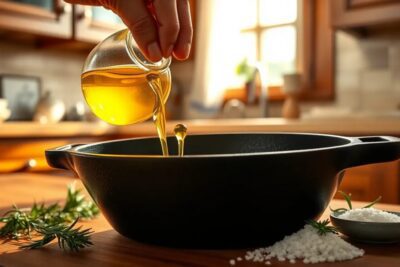
To properly season a new cast iron pan, start by washing it with hot water and mild soap to remove any factory residue. After cleaning, dry it thoroughly with a towel. Next, apply a thin layer of vegetable oil or flaxseed oil to the surface of the pan, ensuring that every part is covered.
Once the oil is applied, it’s time to bake the pan. Preheat your oven to 450°F and place the pan upside down on the middle rack. This prevents oil from pooling in the bottom. You can place a baking sheet underneath to catch any drips. Let it bake for about 30 minutes, then turn off the oven and allow the pan to cool inside.
Repeat this process 3-4 times to build a robust seasoning layer. The more you season, the better the nonstick surface will become.
How to season a cast iron skillet for the first time?
Seasoning a cast iron skillet for the first time can seem daunting, but it’s quite straightforward. Start by cleaning the skillet as mentioned earlier. After drying, apply a thin layer of your chosen oil, covering all surfaces, including the handle.
You may also want to focus on specific regions that tend to rust easily, such as the edges and the bottom of the pan. Once the pan is ready, bake it at 450°F for 30 minutes, flipping the skillet upside down as previously advised.
After the initial seasoning, cooking with fats at high temperatures will further enhance the nonstick surface. Over time, you’ll develop a well-seasoned skillet that will require minimal maintenance.
How to season cast iron without oven?
If you don’t have access to an oven, you can still season your cast iron pan on the stovetop. Begin by cleaning and drying the pan thoroughly. Place it on medium heat and add a small amount of oil.
As the oil heats, use a paper towel to spread it evenly across the surface of the skillet. This method requires you to keep the pan on the heat for about 10-15 minutes. The key is to reach a temperature that allows the oil to start smoking, which indicates that polymerization is occurring.
Once the oil has heated sufficiently, remove the pan from the heat and let it cool. This method is effective for maintaining your seasoning while also cooking.
Best seasoning for iron pan?
When it comes to selecting the best seasoning for your iron pan, it’s important to choose oils that have a high smoke point. Some of the best options include:
- Flaxseed oil: Known for creating a hard, durable coating.
- Vegetable oil: A versatile choice, easily available.
- Canola oil: Great for its high smoke point.
- Grapeseed oil: Another excellent option that works well.
- Coconut oil: Adds a unique flavor, but be mindful of its lower smoke point.
Each of these oils has unique properties that can impact the seasoning process. Experiment with different oils to find what works best for your cooking style.
How to season a rusty cast iron skillet?
If you have a rusty cast iron skillet, don’t despair! It’s possible to restore it to its former glory. Begin by scrubbing the rust away using a steel wool pad or a wire brush. Rinse thoroughly and dry the skillet completely.
After the rust is removed, it’s crucial to season the skillet immediately to prevent further rusting. Apply a layer of oil and bake as discussed earlier. You may need to repeat this process several times to build up a solid seasoning layer and fully eliminate any lingering rust.
Best oil for seasoning cast iron?
As mentioned previously, the best oils for seasoning cast iron are those with a high smoke point, which ensures that they can withstand the heat required for seasoning without burning. Here are some top picks:
- Flaxseed oil
- Vegetable oil
- Canola oil
- Grapeseed oil
- Sunflower oil
Choosing the right oil not only helps in achieving the best seasoning but also contributes to the overall flavor of your dishes.
What temperature to season cast iron?
The ideal temperature for seasoning cast iron is 450°F. At this temperature, the oil reaches its smoke point, allowing it to polymerize properly and form a hard, nonstick coating.
If you are using a specific type of oil, be sure to check its smoke point, as some oils may require slightly different temperatures. Consistency in temperature ensures that the seasoning process is effective.
How to season cast iron in oven?
To season cast iron in the oven, follow the steps outlined earlier for the best results. Start by preheating your oven to 450°F, then clean and dry the skillet thoroughly. Apply a thin layer of oil, ensuring coverage across all surfaces.
Place the pan upside down on the oven rack for about 30 minutes. This method allows the oil to bond to the cast iron, creating a smooth and durable cooking surface. After seasoning, let the pan cool inside the oven to maximize the bonding effect.
Should I season cast iron at 350 or 450?
For optimal results, it is best to season cast iron at 450°F. This temperature allows the oil to reach its smoke point, facilitating the polymerization process needed for a strong seasoning layer.
Cooking at a lower temperature, such as 350°F, may not effectively create the durable coating required for proper seasoning. Therefore, stick with the higher temperature for best outcomes.
What is the best oil to season cast iron?
The best oil to season cast iron includes options like flaxseed oil, vegetable oil, and canola oil. These oils have high smoke points and create a solid, durable coating on the pan.
Experimenting with different oils can lead to variations in flavor and seasoning quality, so don’t hesitate to try more than one to find your favorite.
Do you oil a cast iron skillet every time?
It's not necessary to oil your cast iron skillet every single time you use it. However, for optimal maintenance, applying a small amount of oil before cooking can help maintain the seasoning layer and enhance the nonstick properties.
Regularly cooking with fats will naturally help preserve the seasoning. Just ensure that after cooking, you clean and dry the skillet properly to avoid rust.
How to season an iron kadai?
Seasoning an iron kadai follows a similar process to seasoning a cast iron pan. Start by cleaning the kadai with hot water and mild soap. After thoroughly drying it, apply a thin layer of oil. Heat the kadai on the stovetop or place it in an oven at 450°F for 30 minutes.
This creates a protective layer that ensures your kadai remains rust-free and enhances its cooking capabilities. Regular use will further improve the seasoning over time.
The Best Way To Clean and Season a Cast Iron Skillet | Epicurious 101

By following these seasoning iron pan techniques, you'll ensure your cast iron cookware remains in excellent condition. With proper seasoning, maintenance, and care, your pans will become a cherished part of your kitchen essentials for many years to come.
If you want to know other articles similar to How to season an iron pan you can visit the category Seasoning & Marinades.
More embers