

Cast iron: seasoning & maintaining
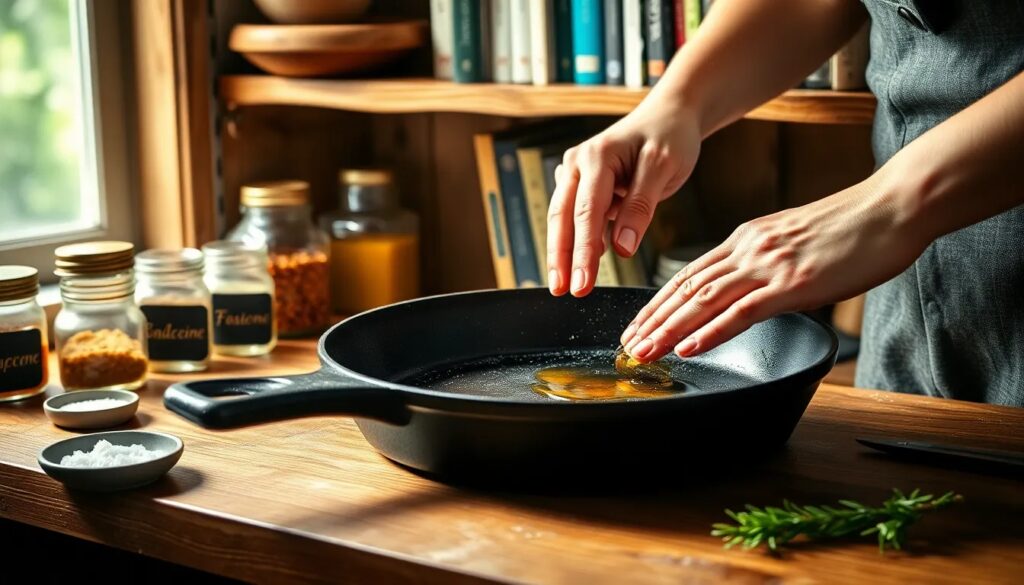
Cast iron cookware is cherished by cooking enthusiasts for its durability and excellent heat retention. However, to truly enjoy its benefits, it is essential to master the art of seasoning and maintaining your cast iron items. Proper care not only enhances the cooking experience but also prolongs the life of your cookware.
This guide will cover everything you need to know about cast iron: seasoning & maintaining, including the best oils, techniques, and tips to keep your cast iron in top shape.
Table of Contents
- What is cast iron seasoning and why is it important?
- How to properly season a new cast iron pan?
- How to maintain the seasoning on your cast iron cookware?
- What is the best oil to use for seasoning cast iron?
- How often should you season cast iron before cooking?
- Tips for deep cleaning your cast iron cookware
- Essential practices for protecting your cast iron investment
- Questions related to maintaining and seasoning cast iron cookware
What is cast iron seasoning and why is it important?
Cast iron seasoning refers to the process of applying oil to the surface of cast iron cookware to create a protective, non-stick coating. This coating is formed through a chemical reaction called polymerization, where the oil bonds to the iron when heated.
Seasoning is vital for several reasons. First, it helps to prevent rust, which can quickly damage your cookware. Second, it creates non-stick properties that improve with use, making cooking and cleaning easier. A well-seasoned pan will enhance the flavor of your food and improve its overall cooking performance.
Moreover, seasoning can help restore older cast iron pans, bringing them back to life and making them functional once again. A good seasoning process can make any cast iron pan a reliable kitchen companion.
How to properly season a new cast iron pan?
Seasoning a new cast iron pan is essential before its first use. Here’s a step-by-step guide to ensure optimal results:
- Clean the pan: Remove any factory residue by washing the pan with warm, soapy water and a sponge. Rinse it thoroughly and dry with a towel.
- Apply oil: Use a paper towel to apply a thin layer of your chosen oil all over the pan's surface, including the handle. Make sure to wipe away any excess.
- Heat the pan: Preheat your oven to 450°F (232°C). Place the pan upside down on the middle rack, with a baking sheet on the lower rack to catch any drips.
- Bake for one hour: Let it bake for about an hour. This allows the oil to polymerize and form a strong bond with the cast iron.
- Cool down: After an hour, turn off the oven and let the pan cool inside.
This process can be repeated several times for a more robust seasoning. Following these cast iron seasoning instructions for beginners will set you up for success.
How to maintain the seasoning on your cast iron cookware?
Maintaining the seasoning on your cast iron is crucial for preserving its non-stick surface. Here are some key practices:
- Clean gently: Avoid using harsh soaps or steel wool. Instead, clean your cast iron with warm water and a soft sponge right after use.
- Dry immediately: After cleaning, dry the cookware right away to prevent rust. You can even place it on low heat for a few minutes to ensure it's completely dry.
- Reapply oil: After drying, apply a very light coat of oil to maintain the seasoning and protect the surface.
- Avoid acidic foods: Cooking highly acidic foods can strip away the seasoning layer, so it's best to use your cast iron for less acidic dishes.
Regular maintenance will keep your cookware performing at its best, giving you years of reliable service.
What is the best oil to use for seasoning cast iron?
The choice of oil for seasoning your cast iron is crucial for achieving the best results. Generally, oils with high smoke points are preferred, as they can withstand the high temperatures needed for proper seasoning.
Some of the best oils include:
- Flaxseed oil: Highly recommended for its high smoke point and polymerization properties.
- Grapeseed oil: Another excellent option due to its high smoke point and neutral flavor.
- Canola oil: Widely available and effective for seasoning.
- Beeswax: Often combined with oils for additional protection, providing a durable coating.
Experimenting with different oils can help you find the one that works best for your cooking style. Remember, a properly seasoned pan will greatly enhance your cooking experience.
How often should you season cast iron before cooking?
While the frequency of seasoning can vary based on usage, a good rule of thumb is to season your cast iron cookware after every 5-10 uses or whenever it looks dull, dry, or rusty. If food starts to stick more than usual, it’s also a sign that it’s time to re-season.
For new pans, an initial seasoning is crucial, followed by regular maintenance as described earlier. Over time, the seasoning layer builds up and requires less frequent seasoning.
Always remember that best practices for cast iron maintenance include being proactive rather than reactive, ensuring your cookware remains in prime condition.
Tips for deep cleaning your cast iron cookware
Deep cleaning your cast iron is necessary occasionally, especially if food residue builds up. Here are some effective tips:
- Salt scrub: Use coarse salt as a gentle abrasive along with a little water. Scrub the surface to remove stubborn bits without damaging the seasoning.
- Boiling water: For tough stuck-on food, fill the pan with water and bring it to a boil. This can help loosen any residue.
- Avoid soaking: Never soak your cast iron in water for long periods, as this can lead to rusting.
- Re-season after deep cleaning: If you notice the seasoning has worn off, follow the seasoning process again after cleaning.
These tips will help keep your cast iron in prime condition, ensuring it remains a valuable tool in your kitchen.
Essential practices for protecting your cast iron investment
Investing in cast iron cookware is worthwhile, and protecting that investment is essential. Here are some practices to consider:
- Store it properly: Store your cast iron in a dry place. Avoid stacking it with other cookware without protection, as this can scratch the seasoning.
- Use appropriate utensils: Avoid metal utensils when cooking with cast iron. Opt for wooden or silicone tools to preserve the seasoning.
- Regular checks: Periodically check your cast iron for any signs of rust or wear. Early intervention can save your cookware.
By following these essential practices, you'll ensure that your cast iron remains a reliable kitchen staple for years to come.
How to maintain seasoning on cast iron?
To maintain seasoning on cast iron, consistently clean it with warm water and a soft sponge. Avoid harsh soaps and abrasive pads that can strip away the seasoning. After cleaning, dry the pan thoroughly to prevent rust. Regularly applying a thin layer of oil after each use will keep the surface protected and enhance the seasoning over time.
What is the best oil to season cast iron with?
The best oils for seasoning cast iron are those with high smoke points, such as flaxseed oil, grapeseed oil, and canola oil. These oils ensure effective polymerization when heated, creating a strong non-stick surface. Some people also prefer using beeswax in combination with oils for added protection and durability.
Do you oil cast iron after every use?
Yes, it's advisable to oil your cast iron after every use. Applying a thin layer of oil helps maintain the seasoning and protects the surface from moisture, which can lead to rust. This practice is key to ensuring your cast iron remains functional and ready for your next cooking adventure.
How many times should I season cast iron before cooking?
Before using a new cast iron pan, it’s recommended to season it at least once, but multiple layers can be applied for better results. Generally, seasoning it 2-3 times initially will create a good foundation. After that, regular maintenance will keep the seasoning intact, minimizing the need for complete re-seasoning.
If you want to know other articles similar to Cast iron: seasoning & maintaining you can visit the category Seasoning & Marinades.

More embers