

Recipes pesto sauce: easy and delicious options
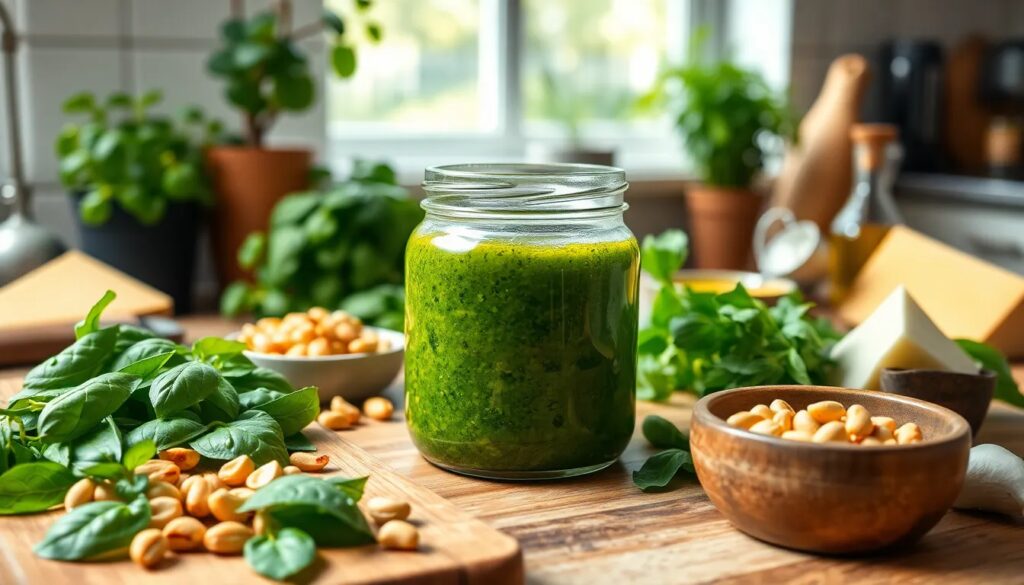
Pesto sauce is a delightful combination of fresh ingredients that can elevate many dishes. With its aromatic basil, pungent garlic, and rich olive oil, making your own pesto is not only simple but also incredibly rewarding. In this article, we will explore various aspects of pesto sauce, including its ingredients, preparation methods, and versatile uses in the kitchen.
Table of Contents
- What is pesto sauce?
- How to make the best pesto sauce?
- What are the key ingredients for pesto?
- How to store & freeze pesto?
- What are some easy variations of pesto?
- How to use pesto in different dishes?
- What is the nutritional value of pesto?
- Related questions about using pesto sauce
- Related questions about using pesto sauce in your cooking
What is pesto sauce?
Pesto sauce originated in Italy, specifically in the Liguria region. Traditionally, it is made using a mortar and pestle, which is where the name "pesto" comes from. The sauce is renowned for its vibrant green color and its ability to enhance the flavor of numerous dishes.
The classic version, known as Pesto alla Genovese, typically includes basil, garlic, olive oil, Parmesan cheese, and pine nuts. However, pesto can be adapted to suit various tastes and dietary preferences. This sauce is not just limited to pasta; its versatility allows it to be used in sandwiches, salads, and even as a marinade.
How to make the best pesto sauce?
Creating the best pesto sauce is all about using quality ingredients and balancing flavors. Here’s a straightforward way to prepare a classic pesto:
- Gather your ingredients: Fresh basil, garlic cloves, Parmesan cheese, pine nuts, and extra virgin olive oil.
- Blend together: Combine the basil, garlic, and pine nuts in a food processor. Pulse until coarsely chopped.
- Add cheese and oil: Gradually add the olive oil while the processor is running. Then, mix in the grated Parmesan until smooth.
- Adjust to taste: Feel free to tweak the amount of garlic or cheese to suit your palate.
This easy pesto sauce recipe is perfect for pasta lovers and can be made in less than 15 minutes. For those busy weeknights, a quick and easy pesto sauce is a lifesaver, providing a burst of flavor with minimal effort.
 Tartar sauce recipes you need to try
What are the key ingredients for pesto?
When making pesto, the choice of ingredients is crucial for achieving that authentic flavor. Here are the key components you should focus on:
Basil: Fresh basil leaves are the star of the show. They provide the aromatic base for the sauce.
Garlic: The inclusion of fresh garlic adds a punch of flavor that complements the basil beautifully.
Olive oil: A high-quality extra virgin olive oil will add richness and depth to the sauce.
Parmesan cheese: This ingredient contributes a savory quality and creaminess to the pesto.
Tartar sauce recipes you need to try Recipes for chimichurri sauce
Pine nuts: While they add a nice texture and nutty flavor, you can replace them with sunflower seeds or walnuts for different variations.
These ingredients can be easily found in most grocery stores, making it simple to whip up a batch whenever the craving strikes.
How to store & freeze pesto?
To ensure that your homemade pesto stays fresh and flavorful, proper storage techniques are essential.
First, you can store pesto in an airtight container in the refrigerator for up to a week. To maintain its vibrant color, drizzle a thin layer of olive oil on top before sealing.
For longer-term storage, you can freeze pesto. Here’s how:
- Ice cube trays: Spoon portions of pesto into an ice cube tray and freeze until solid. Once frozen, transfer the cubes to a zip-top bag.
- Freezer-safe containers: Alternatively, you can put pesto in freezer-safe containers, leaving some space for expansion.
Frozen pesto can last for up to three months, making it incredibly convenient for quick meals. When you’re ready to use it, simply thaw it in the refrigerator or microwave.
What are some easy variations of pesto?
Pesto is highly adaptable, and you can experiment with various ingredients to create unique flavors. Here are some easy variations to try:
- Vegan pesto: Omit the Parmesan cheese and replace it with nutritional yeast for a cheesy flavor without dairy.
- Sun-dried tomato pesto: Blend in sun-dried tomatoes with the traditional ingredients for a robust and tangy twist.
- Spinach or kale pesto: Substitute some of the basil with spinach or kale for a nutritious boost.
- Nut-free pesto: Use seeds like pumpkin or sunflower instead of nuts to cater to allergies.
Experimenting with your pesto allows you to personalize this classic sauce and discover new favorites.
How to use pesto in different dishes?
Pesto sauce can transform a variety of meals. Here are some ideas on how to incorporate it into your cooking:
Pasta: Tossing cooked pasta with pesto creates a simple yet flavorful dish. Add some cherry tomatoes and mozzarella for an easy weeknight dinner.
Sandwiches: Spread pesto on sandwiches or wraps for an added kick of flavor. It pairs well with grilled vegetables and meats.
Salads: Use pesto as a dressing for salads, combining it with lemon juice and olive oil for a refreshing change.
Marinade: Use it as a marinade for chicken or fish before grilling to infuse delicious flavors.
With these options, you can elevate nearly any dish with a touch of pesto.
What is the nutritional value of pesto?
Pesto is not only delicious but also packed with nutrients. Here’s a quick look at the nutritional benefits of its primary ingredients:
Basil: Rich in vitamins A, K, and C, basil also contains antioxidants that benefit your health.
Olive oil: A source of healthy monounsaturated fats, olive oil is known for its heart-healthy properties.
Pine nuts: These nuts contain protein, fiber, and essential vitamins and minerals, making them a nutritious addition.
While pesto can be calorie-dense, using it in moderation can provide nutritional benefits while enhancing your meals.
What do I do with pesto sauce?
Pesto sauce is versatile and can be used in various culinary applications. One of the most common uses is tossing it with pasta, creating a quick and flavorful dish that is perfect for any occasion. You can also use it as a spread for sandwiches or wraps, adding a burst of flavor to the ingredients within. Additionally, pesto can be drizzled over grilled meats or vegetables, enhancing their flavor profile significantly.
For salads, consider using pesto as a dressing by thinning it out with olive oil and lemon juice. This adds an exciting twist to your greens. Lastly, you can incorporate pesto into soups or stews for an extra layer of taste.
What to do with a jar of pesto sauce?
If you've purchased a jar of pesto sauce, there are numerous delicious ways to utilize it. First, try mixing it with cooked pasta for a quick meal. You can also use it as a topping for pizza, adding a unique flavor to your favorite toppings.
For those looking to incorporate it into snacks, try using pesto as a dip for fresh vegetables or breadsticks. Another great idea is to add it to scrambled eggs or omelets for a flavorful breakfast. The possibilities are truly endless with a jar of pesto at your disposal.
How to make simple pesto sauce?
Making a simple pesto sauce at home is quite straightforward. Start with fresh basil leaves and garlic. Combine them in a food processor, then add pine nuts and grated Parmesan cheese. Gradually drizzle in olive oil while blending until you reach your desired consistency.
Adjust the flavors by adding more garlic or cheese if necessary. This basic recipe can be easily customized according to your preferences, allowing you to experiment with different nuts or greens.
What is pesto traditionally served with?
Traditionally, pesto is served with pasta, particularly shapes like trofie or linguine. The sauce clings beautifully to the pasta, creating a delicious dish. Besides pasta, pesto is also commonly used as a condiment for sandwiches or as a topping for grilled meats and fish.
In Italy, it’s not uncommon to find pesto accompanying potato and green bean salads, showcasing its flexibility as a flavor enhancer. Additionally, it can be incorporated into soups or stews, adding depth to the dish.
Pesto Sauce Recipe | Easy & Homemade Sauce Recipe | Italian Pesto Sauce | Kanak's Kitchen

If you want to know other articles similar to Recipes pesto sauce: easy and delicious options you can visit the category Pesto Sauce Recipes.
More embers