

Recipes with pad thai sauce you need to try
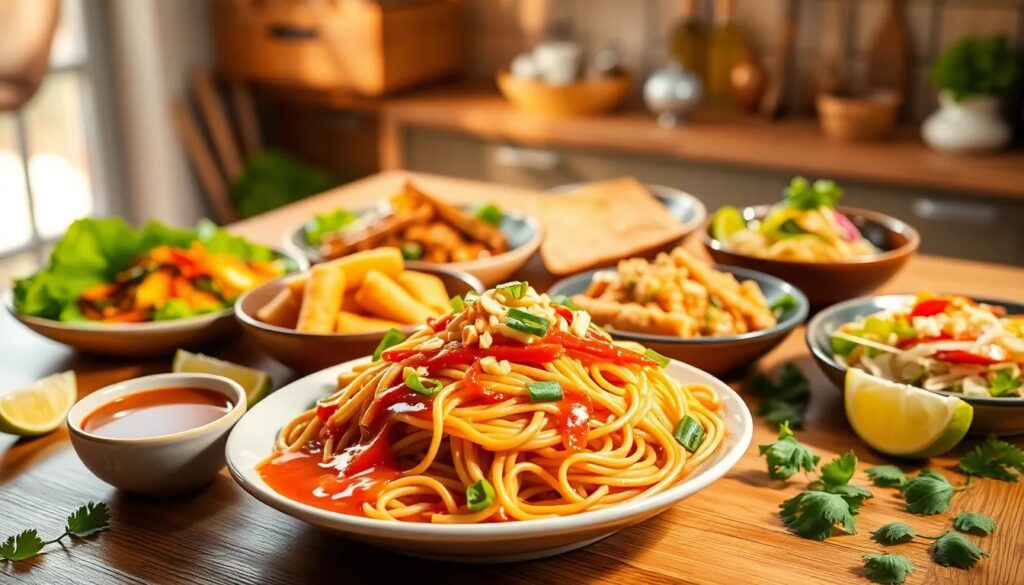
Pad Thai is a beloved dish that brings the vibrant flavors of Thailand right to your kitchen. This noodle stir-fry combines a variety of ingredients, making it a versatile option for any meal. With the right sauce, you can transform simple ingredients into a culinary masterpiece.
In this guide, we will explore different recipes with pad thai sauce, variations, and tips on how to make this delicious dish at home.
Table of Contents
- What is Pad Thai?
- Why is This Pad Thai Recipe the Best?
- How Do You Make Pad Thai?
- What Are Some Recipe Variations for Pad Thai?
- How to Store Homemade Pad Thai?
- What to Serve with Pad Thai?
- Frequently Asked Questions About Pad Thai
- What to make with pad thai paste?
- How to use thai pad thai sauce?
- How long does pad thai sauce last in the fridge?
- What to have pad thai with?
What is Pad Thai?
Pad Thai is a traditional Thai stir-fried noodle dish made with rice noodles, protein, and a balanced sauce. Its origins are traced back to street vendors in Thailand, where it quickly became a staple. The dish typically includes ingredients like eggs, bean sprouts, peanuts, and lime, creating a delightful blend of flavors and textures.
The sauce is a crucial component, combining the tanginess of tamarind paste, the saltiness of fish sauce, and a touch of sweetness from sugar. This balance is what makes Pad Thai truly special. Additionally, the dish can be easily customized to suit various dietary preferences, making it a popular choice among food lovers.
Why is This Pad Thai Recipe the Best?
This Pad Thai recipe stands out due to its simplicity and flavor profile. It utilizes fresh ingredients, ensuring that every bite is filled with authentic taste. What sets it apart is the homemade sauce, which is crafted from basic ingredients without relying on overly sweet additives.
 Sauce recipes for meatballs
Furthermore, this recipe allows for quick preparation, taking less than 30 minutes from start to finish. With easy-to-follow steps, even beginners can create a delicious meal that rivals their favorite Thai restaurant.
How Do You Make Pad Thai?
Making Pad Thai is straightforward. Here’s a quick overview of the process:
- Soak rice noodles in warm water until soft.
- Prepare the sauce by mixing fish sauce, tamarind paste, sugar, and soy sauce.
- Stir-fry your choice of protein (chicken, shrimp, or tofu) with garlic and shallots.
- Add the soaked noodles and sauce to the pan, stirring to combine.
- Finish with bean sprouts, peanuts, and lime juice.
The key to a great Pad Thai lies in the sauce. Using authentic ingredients like tamarind and fish sauce provides a depth of flavor that pre-made sauces often lack. Authentic pad thai recipes for beginners emphasize the importance of these ingredients for achieving the perfect balance.
What Are Some Recipe Variations for Pad Thai?
Pad Thai is incredibly versatile, allowing for numerous variations. Here are some popular options:
- Vegetarian Pad Thai: Substitute meat with tofu or additional vegetables.
- Vegan Pad Thai: Replace fish sauce with soy sauce or a vegan alternative.
- Gluten-Free Pad Thai: Use rice noodles and ensure your sauces are gluten-free.
- Seafood Pad Thai: Mix shrimp, squid, or other seafood for a luxurious twist.
- Spicy Pad Thai: Add Sriracha or chili flakes for an extra kick.
These variations can cater to different dietary needs and preferences. By experimenting with ingredients, you can create a personalized version of this classic dish.
Sauce recipes for meatballs Salmon recipes with sauce to impress your guests
How to Store Homemade Pad Thai?
Storing homemade Pad Thai is easy. Here are some tips:
First, allow the dish to cool completely before transferring it to an airtight container. It can be stored in the refrigerator for up to 3 days. When reheating, add a splash of water or sauce to prevent it from drying out.
For longer storage, consider freezing the pad thai. Place it in a freezer-safe container and it can last for up to 3 months. Just be sure to separate the noodles and sauce if possible, as this helps maintain texture.
What to Serve with Pad Thai?
Pad Thai can be enjoyed on its own, but pairing it with complementary dishes can enhance the meal experience. Consider these options:
- Thai Spring Rolls: A light starter with fresh vegetables.
- Tum Yum Soup: A spicy and tangy soup to kick off the meal.
- Coconut Rice: Neutralizes the spice while adding creaminess.
- Thai Green Salad: Fresh greens with a zesty dressing.
- Fried Rice: A hearty option for those who want more.
These sides can complement the rich flavors of Pad Thai, making for a well-rounded meal.
Frequently Asked Questions About Pad Thai
What to make with pad thai paste?
Pad Thai paste is a versatile ingredient that can be used in several ways. It serves as a base for making traditional Pad Thai but can also be utilized in other dishes. For instance, you can mix it with stir-fried vegetables or use it as a marinade for protein.
Some people enjoy adding it to soups or sauces to enhance flavor. Additionally, it can be combined with rice dishes, bringing a unique twist to classics like fried rice. The possibilities are endless, making it a valuable addition to your pantry.
How to use thai pad thai sauce?
Using Thai Pad Thai sauce is straightforward. Start by heating it in a pan before adding your choice of protein and vegetables. It is essential to ensure that the sauce is well-mixed with the ingredients for even flavor distribution.
You can also use the sauce as a dressing for salads or as a dipping sauce for spring rolls. Experimenting with the sauce can lead to delightful culinary creations, providing you with a taste of authentic Thai flavors.
How long does pad thai sauce last in the fridge?
Pad Thai sauce can be stored in the refrigerator for about one week. It’s best to keep it in an airtight container to maintain its freshness. If you’re looking to store it for a more extended period, consider freezing it.
When frozen, Pad Thai sauce can last for up to three months. Just make sure to thaw it in the refrigerator before reheating. This allows you to have a quick and easy base for your next meal with minimal effort.
What to have pad thai with?
Pad Thai is best enjoyed with fresh garnishes and side dishes. Sliced lime, crushed peanuts, and fresh cilantro are excellent toppings that enhance the dish's flavors. For those who enjoy a bit of heat, adding Sriracha or chili flakes can elevate the experience.
Pairing Pad Thai with a refreshing beverage, like Thai iced tea or coconut water, can also complement the meal beautifully. This combination of flavors and textures creates a delicious and satisfying dining experience.
If you want to know other articles similar to Recipes with pad thai sauce you need to try you can visit the category Asian and International Sauce Recipes.


More embers