
Is vegetable oil a seed oil?
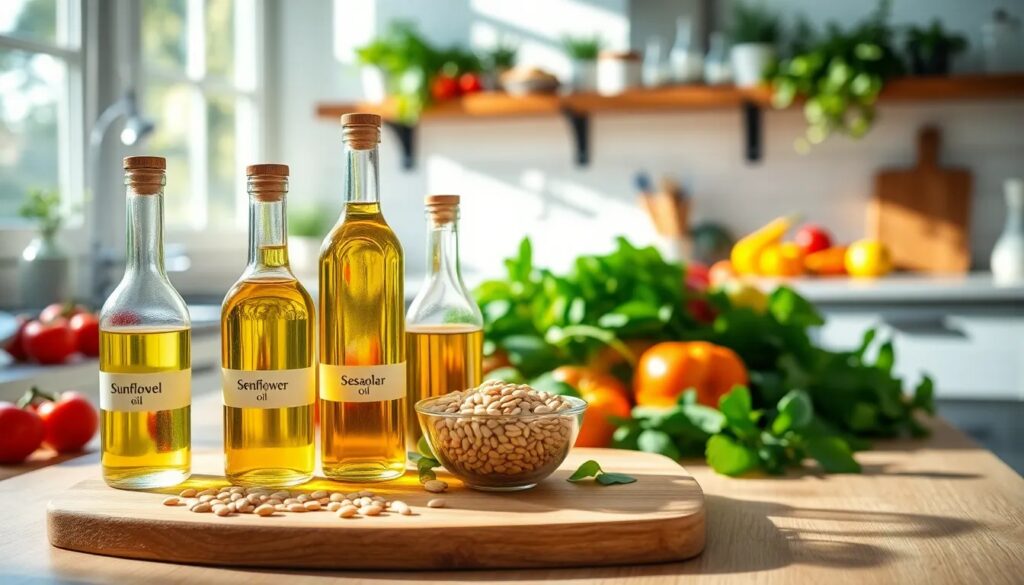
Seed oils have become a staple in modern Cooking, often touted for their health benefits. However, many people are left wondering, is vegetable oil a seed oil? In this article, we will explore the nuances of seed oils, their health implications, and how they compare to vegetable oils.
As we delve into this topic, we'll clarify what seed oils are, their rising popularity, and the differences between them and vegetable oils. Understanding these aspects will help you make informed decisions about your cooking and dietary choices.
Index
Is seed oil healthy?
Seed oils are often considered a healthy option due to their high levels of unsaturated fats. These fats are known to support heart health and can help reduce bad cholesterol levels. However, the healthiness of seed oils can vary greatly depending on the type and how they are processed.
Many seed oils are rich in omega-6 fatty acids, which, while essential for the body, can promote inflammation if consumed in excess, especially when not balanced with omega-3 fatty acids. This has led to debates about whether is vegetable oil a seed oil healthy? and the potential impact on long-term health.
 Mild soap: benefits and uses explained
Incorporating seed oils into your diet can be beneficial, particularly when used in moderation and as part of a balanced diet. It’s crucial to be mindful of the overall ratio of omega-6 to omega-3 fatty acids in your meals.
What is a seed oil?
Seed oils are derived from the seeds of various plants. Common examples include canola, sunflower, and sesame oils. These oils are extracted through methods like cold pressing or refining, which can affect their nutrient content.
The refining process often involves chemical treatments and heating, which can alter the fatty acids and reduce the presence of beneficial compounds. Thus, while seed oils can be advantageous, the health benefits may diminish based on the extraction method used.
- Canola oil
- Sunflower oil
- Sesame oil
- Flaxseed oil
- Pumpkin seed oil
When selecting seed oils, it’s often recommended to choose cold-pressed varieties to maximize health benefits. This method retains more nutrients and flavor compared to highly refined oils.
Mild soap: benefits and uses explained Olive olé: a taste sensation
Why are seed oils gaining popularity?
Seed oils are gaining traction due to their versatility in cooking and purported health benefits. Many people are replacing saturated fats with seed oils, which are seen as healthier alternatives.
Additionally, seed oils are often more affordable and accessible than other healthier options like olive oil or avocado oil. This affordability makes them an attractive choice for consumers looking to maintain a balanced diet without breaking the bank.
Furthermore, the culinary properties of seed oils – such as high smoke points – make them suitable for various cooking techniques, including frying and baking. This adaptability contributes to their growing presence in kitchens around the world.
What is the difference between seed oils and vegetable oils?
The terms "seed oils" and "vegetable oils" are often used interchangeably, but they do have distinct differences. While all seed oils can be classified as vegetable oils, not all vegetable oils are seed oils.
Mild soap: benefits and uses explainedOlive olé: a taste sensation How to season a Blackstone griddle
Vegetable oils can include oils derived from the leaves, fruits, and roots as well. For instance, olive oil and avocado oil are considered vegetable oils but not seed oils. Conversely, is vegetable oil a seed oil? indicates that oils like canola and sunflower fall under the category of both.
- Seed oils are typically extracted from the seeds of plants.
- Vegetable oils can be derived from various plant parts, including seeds, fruits, and nuts.
- Some vegetable oils, like olive oil, are often touted for their health benefits.
- Seed oils may have higher omega-6 content compared to some vegetable oils.
Understanding these differences is crucial for making informed choices about cooking and dietary health.
How are seed oils derived?
The extraction of seed oils involves several processes. Common methods include mechanical pressing and chemical extraction. Mechanical pressing, also known as cold pressing, involves crushing seeds to extract oil without the use of heat or chemicals.
On the other hand, chemical extraction often uses solvents like hexane, which can lead to residues in the final product. This method is more efficient but may compromise the oil’s quality and nutritional value.
Mild soap: benefits and uses explainedOlive olé: a taste sensationHow to season a Blackstone griddle Sizzles meaning
After extraction, oils may undergo refining processes to remove impurities, impart flavor, and enhance shelf life. However, the refining process can also strip away beneficial nutrients, leading to questions about the overall health benefits of seed oils.
Should you avoid certain seed oils?
While not all seed oils are harmful, some should be approached with caution. Oils high in omega-6 fatty acids, like corn oil and soybean oil, can contribute to an inflammatory response in the body if consumed in excess.
Additionally, highly processed seed oils may contain trans fats, which are known to be detrimental to heart health. Thus, it is advisable to avoid oils that are heavily refined or contain additives.
- Avoid corn oil
- Avoid soybean oil
- Limit consumption of cottonseed oil
- Look out for trans fats in processed oils
Opting for high-quality, minimally processed seed oils can help you avoid these potential downsides and incorporate healthier fats into your diet.
Mild soap: benefits and uses explainedOlive olé: a taste sensationHow to season a Blackstone griddleSizzles meaning Where do oils come from?
What oils should you use for cooking?
When it comes to cooking oils, the best choices often depend on the cooking method. For frying or high-heat cooking, oils with a high smoke point, such as avocado oil or refined coconut oil, are recommended.
If you're looking for flavor and health benefits, olive oil is an excellent choice for dressings and low-heat cooking due to its rich antioxidant properties. Additionally, flaxseed oil is great for cold dishes, though it should not be heated.
- Avocado oil - ideal for high-heat cooking.
- Olive oil - perfect for dressings and low-heat cooking.
- Coconut oil - versatile for baking and sautéing.
- Flaxseed oil - great for cold dishes.
- Sunflower oil - a budget-friendly option for frying.
Ultimately, the best cooking oil is one that balances flavor, health benefits, and cooking suitability.
Does vegetable oil count as a seed oil?
Yes, vegetable oil often includes oils that are derived from seeds, making it a type of seed oil. However, it can also encompass oils from other plant sources, which broadens the definition of vegetable oils.
Mild soap: benefits and uses explainedOlive olé: a taste sensationHow to season a Blackstone griddleSizzles meaningWhere do oils come from? Berkshire pork: everything you need to know
What oils are not seed oils?
Oils that are not classified as seed oils include those derived from fruits and nuts, such as olive oil, avocado oil, and palm oil. These oils offer different nutritional profiles and health benefits compared to seed oils.
Is vegetable oil actually healthy?
The healthiness of vegetable oil can depend on its specific type and how it's processed. Some vegetable oils are high in omega-6 fatty acids, which can be unhealthy in excess, while others, like olive oil, are rich in monounsaturated fats and antioxidants, making them a healthier choice.
What is the healthiest oil to cook with?
The healthiest oil for cooking can vary based on the method used. For high-heat cooking, avocado oil is considered one of the healthiest. For dressing or low-heat cooking, olive oil is often recommended due to its heart-healthy properties.
Mild soap: benefits and uses explainedOlive olé: a taste sensationHow to season a Blackstone griddleSizzles meaningWhere do oils come from?Berkshire pork: everything you need to know Best oil for cooking: a guide to healthy choices
If you want to know other articles similar to Is vegetable oil a seed oil? you can visit the category Diet and nutrition essentials.
Diabetes red meat: understanding the risks
Canola vs vegetable oil: which is the better choice?
Is flaxseed good for you?
Deja una respuesta

Gestionar consentimiento
Funcional Siempre activo
El almacenamiento o acceso técnico es estrictamente necesario para el propósito legítimo de permitir el uso de un servicio específico explícitamente solicitado por el abonado o usuario, o con el único propósito de llevar a cabo la transmisión de una comunicación a través de una red de comunicaciones electrónicas.
Preferencias
El almacenamiento o acceso técnico es necesario para la finalidad legítima de almacenar preferencias no solicitadas por el abonado o usuario.
Estadísticas
El almacenamiento o acceso técnico que es utilizado exclusivamente con fines estadísticos. El almacenamiento o acceso técnico que se utiliza exclusivamente con fines estadísticos anónimos. Sin un requerimiento, el cumplimiento voluntario por parte de tu proveedor de servicios de Internet, o los registros adicionales de un tercero, la información almacenada o recuperada sólo para este propósito no se puede utilizar para identificarte.
Marketing
El almacenamiento o acceso técnico es necesario para crear perfiles de usuario para enviar publicidad, o para rastrear al usuario en una web o en varias web con fines de marketing similares.
More embers