
How to seasoning cast iron pan
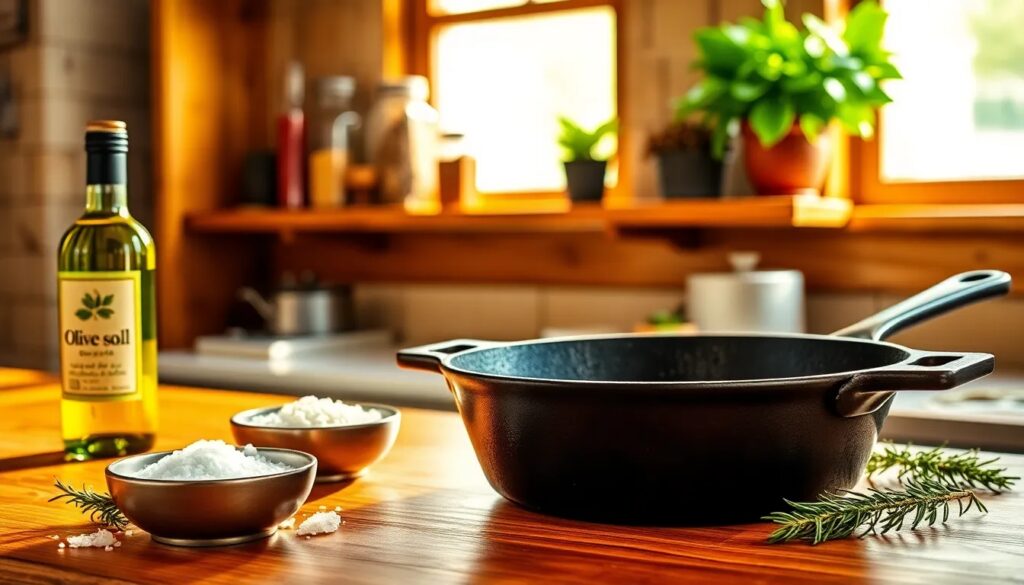
Seasoning a cast iron pan is a crucial step in maintaining its nonstick surface and overall durability. Whether you are a seasoned chef or a home cook, understanding how to properly season your cast iron cookware will significantly enhance your Cooking experience.
This guide will walk you through the essential steps and tips for seasoning cast iron, ensuring you get the best performance out of your pan.
Index
- How to season cast iron for the first time?
- How to clean a cast iron pan?
- What is the best oil for seasoning cast iron?
- How to season cast iron without oven?
- What temperature to season cast iron?
- How to season cast iron on stove?
- How to season a cast iron skillet for the first time?
- Questions related to cast iron seasoning
How to season cast iron for the first time?
When you first get your cast iron pan, it's vital to start with a proper seasoning. This process builds a protective layer that prevents rust and creates a naturally nonstick surface.
Begin by cleaning your pan thoroughly with hot, soapy water to remove any factory coatings. Once cleaned, rinse and dry it completely. Next, apply a thin layer of oil—flaxseed oil, vegetable oil, or canola oil are great options. Heat the pan in the oven at 450°F (232°C) for about an hour. This method will allow the oil to polymerize, creating a durable coating.
 Fish blackening seasoning guide
After an hour, turn off the oven and let the pan cool inside. It’s recommended to repeat this process 2-3 times for optimal results. Finally, remember that regular cooking with fats will continuously improve the seasoning over time.
How to clean a cast iron pan?
Proper cleaning is essential for maintaining your cast iron pan. After each use, avoid using soap as it can strip away the seasoning. Instead, wipe the pan with a paper towel or cloth to remove food residues.
If there are stuck-on bits, use a scraper or a non-metal brush to gently scrub the surface. For stubborn stains, sprinkle coarse salt and scrub with a damp cloth. Rinse with hot water and dry immediately to prevent rust.
- Never soak your cast iron in water.
- Avoid using a dishwasher.
- Store the pan in a dry place to prevent moisture buildup.
What is the best oil for seasoning cast iron?
Choosing the right oil is critical for effective seasoning. The best oils for seasoning cast iron are those with a high smoke point that can form a strong layer when heated.
Fish blackening seasoning guide Seasoning jerk: a guide to authentic flavor
Flaxseed oil is highly recommended due to its polymerization properties, making it ideal for creating a durable coating. Other excellent options include canola oil, grapeseed oil, and vegetable oil.
Each of these oils can provide a solid nonstick surface, but ensure you apply them in thin layers to avoid a sticky residue.
How to season cast iron without oven?
Seasoning cast iron without an oven is entirely possible, especially if you prefer using the stovetop. Start by cleaning your pan as mentioned earlier.
Heat the pan on medium heat until it’s hot. Then, add a thin layer of your chosen oil and use a paper towel to spread it evenly. Let the oil smoke slightly, then remove it from heat. Wipe off any excess oil and repeat this process 2-3 times for an effective seasoning.
Fish blackening seasoning guideSeasoning jerk: a guide to authentic flavor Blackening seasoning recipes and tips
This method is convenient and effective, especially for those who may not have access to an oven.
What temperature to season cast iron?
The ideal temperature for seasoning cast iron is generally between 400°F (204°C) and 500°F (260°C). At these temperatures, oils will polymerize effectively, forming a strong, durable coating on your pan.
When using the oven, preheat it to around 450°F (232°C) and place the pan upside down on the top rack, with a baking sheet underneath to catch any drips. This method ensures even heat distribution and helps set the seasoning properly.
How to season cast iron on stove?
To season your cast iron on the stove, follow a similar approach as oven seasoning but adjust for stovetop cooking. Begin by heating the pan on medium-high heat until it is hot.
Fish blackening seasoning guideSeasoning jerk: a guide to authentic flavorBlackening seasoning recipes and tips Jerk Jamaican seasoning: a flavorful guide
Once heated, add your chosen oil and carefully spread it across the surface. Allow the oil to smoke lightly, indicating that it’s bonding with the cast iron. Wipe any excess oil and let it cool down. Repeat this process for better seasoning.
This stovetop method is effective and allows you to monitor the process closely, ensuring optimal results.
How to season a cast iron skillet for the first time?
Seasoning a cast iron skillet for the first time follows the same principles as other cast iron pans. Start with a clean skillet, removing any packaging residues.
Apply your preferred oil in a thin layer, ensuring even coverage. Preheat your oven to 450°F (232°C) and place the skillet upside down on the top rack. Bake for about one hour, then turn off the oven and let the skillet cool inside.
Fish blackening seasoning guideSeasoning jerk: a guide to authentic flavorBlackening seasoning recipes and tipsJerk Jamaican seasoning: a flavorful guide Msg seasoning: everything you need to know
For best results, repeat this seasoning process multiple times. Regular use with fats will enhance the skillet's seasoning and cooking performance over time.
What is the best way to season a cast iron pan?
The best way to season a cast iron pan involves cleaning it thoroughly, applying a thin layer of high-smoke point oil, and heating it at a temperature between 400°F and 500°F. This ensures that the oil bonds with the pan, creating a strong and durable coating.
For optimal results, repeat the seasoning process several times. Each subsequent seasoning will build upon the previous, enhancing the nonstick properties.
What is the best oil for cast iron seasoning?
The best oil for cast iron seasoning includes flaxseed oil, canola oil, and grapeseed oil. Flaxseed oil is particularly exceptional due to its polymerization properties that create a robust coating.
Fish blackening seasoning guideSeasoning jerk: a guide to authentic flavorBlackening seasoning recipes and tipsJerk Jamaican seasoning: a flavorful guideMsg seasoning: everything you need to know Chili homemade seasoning recipe
Always apply these oils in thin layers to ensure effective seasoning and avoid sticky residues that can be difficult to clean.
Do you heat cast iron before seasoning?
Yes, heating cast iron before seasoning is essential. This process opens the pores of the metal, allowing the oil to penetrate better and bond effectively. It helps create a more durable nonstick surface.
Preheating the pan also helps the oil to polymerize properly, ensuring an even seasoning layer across the entire surface.
Is 350 hot enough to season cast iron?
While 350°F (177°C) can work for seasoning cast iron, it is generally not recommended. Higher temperatures, such as 400°F (204°C) and above, are more effective for polymerizing oil and creating a resilient coating.
Fish blackening seasoning guideSeasoning jerk: a guide to authentic flavorBlackening seasoning recipes and tipsJerk Jamaican seasoning: a flavorful guideMsg seasoning: everything you need to knowChili homemade seasoning recipe Seasoning guide and tips
For best results, aim for a temperature of at least 450°F (232°C) when seasoning your cast iron pan to ensure optimal performance and durability.
If you want to know other articles similar to How to seasoning cast iron pan you can visit the category Cooking and recipes for every home cook.


Deja una respuesta

Gestionar consentimiento
Funcional Siempre activo
El almacenamiento o acceso técnico es estrictamente necesario para el propósito legítimo de permitir el uso de un servicio específico explícitamente solicitado por el abonado o usuario, o con el único propósito de llevar a cabo la transmisión de una comunicación a través de una red de comunicaciones electrónicas.
Preferencias
El almacenamiento o acceso técnico es necesario para la finalidad legítima de almacenar preferencias no solicitadas por el abonado o usuario.
Estadísticas
El almacenamiento o acceso técnico que es utilizado exclusivamente con fines estadísticos. El almacenamiento o acceso técnico que se utiliza exclusivamente con fines estadísticos anónimos. Sin un requerimiento, el cumplimiento voluntario por parte de tu proveedor de servicios de Internet, o los registros adicionales de un tercero, la información almacenada o recuperada sólo para este propósito no se puede utilizar para identificarte.
Marketing
El almacenamiento o acceso técnico es necesario para crear perfiles de usuario para enviar publicidad, o para rastrear al usuario en una web o en varias web con fines de marketing similares.
More embers