

Seasoning jerk: a guide to authentic flavor
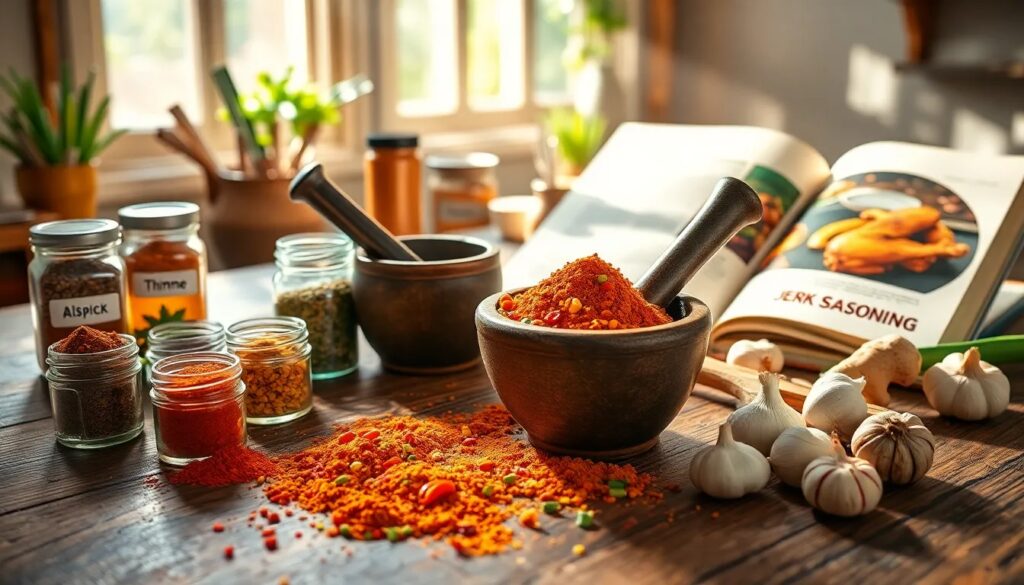
Jamaican jerk seasoning is not just a spice blend; it is a celebration of Caribbean flavors that transforms ordinary dishes into extraordinary experiences. This guide delves into the world of jerk seasoning, revealing its origins, ingredients, and versatile uses.
Whether you are a seasoned chef or a home cook, understanding how to create and use this unique seasoning can elevate your culinary skills and introduce you to a myriad of delicious recipes.
Table of Contents
- Why is homemade jerk seasoning better?
- What ingredients go into Jamaican jerk seasoning?
- How to use jerk seasoning powder?
- What is a good substitute for jerk seasoning?
- Is jerk seasoning spicy?
- How to make your own jerk seasoning blend?
- What are the cultural origins of jerk seasoning?
- Related questions about jerk seasoning
- Related questions about the delightful world of jerk seasoning
Why is homemade jerk seasoning better?
Making your own seasoning jerk blend at home offers numerous advantages. Firstly, it allows you to control the quality and freshness of the ingredients, ensuring that no preservatives or artificial flavors are included.
Homemade jerk seasoning also lets you customize the heat and flavors to suit your personal taste. You can adjust the proportions of spices like Scotch bonnet peppers or allspice to achieve the perfect balance for your palate.
Furthermore, crafting your own blend can be a rewarding experience. It connects you to the cultural roots of Jamaican cuisine and enhances your understanding of the culinary traditions that shape it.
What ingredients go into Jamaican jerk seasoning?
Jamaican jerk seasoning is a complex and fragrant blend of spices. Here are some of the key ingredients:
- Allspice
- Scotch bonnet peppers
- Thyme
- Garlic
- Onion powder
Each of these ingredients contributes to the signature flavor profile of jerk seasoning, offering a combination of warmth, sweetness, and spice. The inclusion of both dried and fresh herbs enhances the seasoning's depth.
Additionally, other spices such as cinnamon, nutmeg, and brown sugar can be added for a more personalized version. Experimenting with these elements allows you to create a blend that reflects your unique taste preferences.
How to use jerk seasoning powder?
Using jerk seasoning powder is simple and versatile. It can be employed in various ways, making it an essential component in many kitchens.
- Marinade: Combine the seasoning with oil and vinegar for a flavorful marinade for meats.
- Rubs: Apply directly to meats or vegetables before grilling or roasting.
- Soups and stews: Add a tablespoon or two to enhance the flavor of soups and stews.
- Vegetarian dishes: Use it to season tofu or roasted vegetables for a spicy kick.
By incorporating jerk seasoning into your cooking, you can create dishes that are rich in flavor and authenticity. It pairs particularly well with chicken, seafood, and even hearty vegetables.
What is a good substitute for jerk seasoning?
If you find yourself without jerk seasoning, there are several substitutes you can consider. A basic mixture could include ingredients like:
- Chili powder
- Cumin
- Paprika
- Garlic powder
- Thyme
While these substitutes may not perfectly replicate the unique flavor of seasoning jerk, they can provide a satisfying alternative in a pinch. Adjust the proportions to suit your taste and desired heat level.
Another option is to combine various spice blends to mimic the original flavor profile. For example, mixing Cajun seasoning with a touch of allspice and cayenne pepper can yield a decent approximation.
Is jerk seasoning spicy?
Yes, jerk seasoning is known for its heat, primarily due to the use of Scotch bonnet peppers. These peppers are extremely spicy and are a key component of authentic jerk seasoning.
The level of spiciness can vary depending on the amount of pepper used in the blend. If you are sensitive to heat, consider reducing the quantity of Scotch bonnet peppers or using milder alternatives like jalapeños.
Additionally, the overall spiciness can be balanced with ingredients like brown sugar or honey, which help to mellow out the heat and create a well-rounded flavor profile.
How to make your own jerk seasoning blend?
Creating your own homemade Jamaican jerk seasoning mix is both easy and rewarding. Here’s a simple recipe to get you started:
- Ingredients: Gather the following spices:
- 2 teaspoons allspice
- 2 teaspoons thyme
- 1 teaspoon garlic powder
- 1 teaspoon onion powder
- 1 teaspoon ground black pepper
- 1 teaspoon cayenne pepper (or to taste)
- 1 tablespoon brown sugar
- Salt to taste
- Mix: Combine all ingredients in a bowl and mix well.
- Store: Keep the blend in an airtight container away from light and heat.
This blend can be used to season meats, fish, or even vegetables, enhancing your dishes with a taste of the Caribbean. Making your own blend ensures freshness and allows you to adjust the flavors to your liking.
What are the cultural origins of jerk seasoning?
The origins of jerk seasoning can be traced back to the indigenous Taíno people of Jamaica, who used a form of spice rub to prepare meat. Over time, this method was influenced by African, Spanish, and British culinary techniques.
Jerk cooking traditionally involves marinating meat with a variety of spices and then grilling it over pimento wood, which adds a distinct smoky flavor. This method reflects the resourcefulness of Jamaican cooks who adapted available ingredients into their culinary practices.
Today, jerk seasoning is celebrated worldwide, symbolizing the rich cultural heritage of Jamaica and its vibrant flavors. It is often featured in festivals and gatherings, making it a staple of Caribbean cuisine.
What is jerk seasoning made of?
Jerk seasoning is typically made from a blend of spices that includes allspice, thyme, garlic, and Scotch bonnet peppers. These ingredients combine to create a unique flavor profile characterized by warmth, sweetness, and heat. The exact composition can vary based on regional variations and personal preferences, but the core spices remain consistent.
Are Cajun and jerk seasoning the same?
No, Cajun and jerk seasonings are distinct from each other. Cajun seasoning typically features spices such as paprika, cayenne, and black pepper, focusing on a different flavor profile. In contrast, jerk seasoning incorporates allspice and Scotch bonnet peppers, giving it a unique Caribbean flair. While both can be spicy, their flavor bases and cultural origins are quite different.
What mixture gives you a jerk flavor?
To achieve a jerk flavor, you need to combine key ingredients such as allspice, thyme, garlic, and Scotch bonnet peppers. A typical mixture would include these elements, balanced with additional spices like cinnamon and nutmeg for depth. This combination creates the characteristic taste of Jamaican jerk seasoning, which is known for its spicy and aromatic qualities.
Is Jamaican allspice the same as jerk seasoning?
No, Jamaican allspice is not the same as jerk seasoning, although it is a crucial ingredient in the latter. Allspice is a single spice derived from the dried berries of the Pimenta dioica tree and offers a unique flavor reminiscent of cinnamon, nutmeg, and cloves. Jerk seasoning is a complex blend that includes allspice but also incorporates other spices and herbs to create its distinctive flavor profile.
Incorporating seasoning jerk into your culinary repertoire opens up a world of delicious possibilities. Enjoy the vibrant flavors of the Caribbean with every bite!
If you want to know other articles similar to Seasoning jerk: a guide to authentic flavor you can visit the category Seasoning & Marinades.


More embers