
Gumbo recipes you need to try
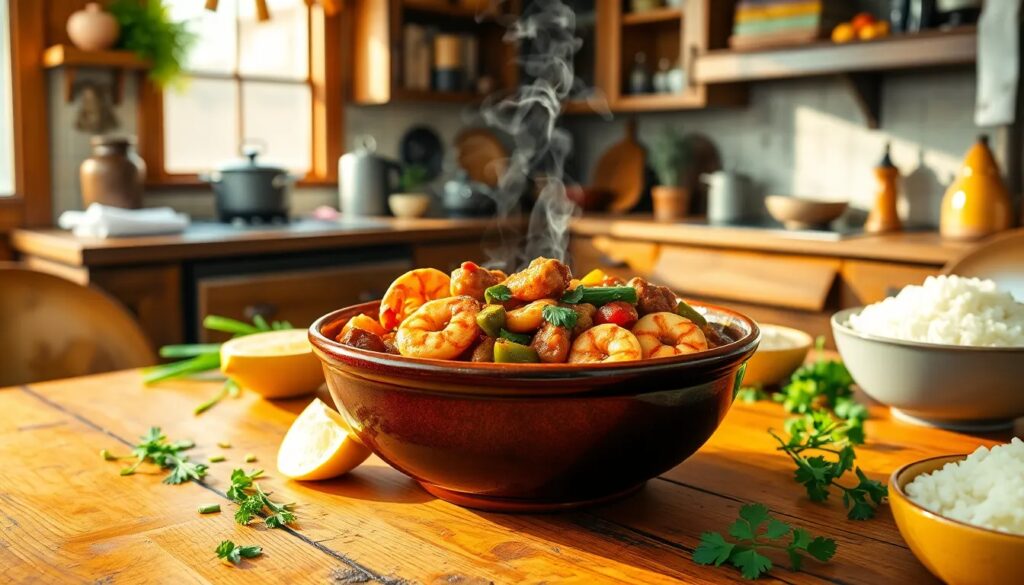
Gumbo is a cherished dish that represents the rich culinary heritage of Louisiana, especially in New Orleans. This comforting stew combines influences from both Creole and Cajun traditions, making it a staple for many families. With its unique flavors and hearty ingredients, gumbo is not just a meal; it's an experience.
In this article, we will explore gumbo recipes that you need to try, highlighting various aspects of this beloved dish, from its key ingredients to the techniques that will ensure your gumbo stands out.
Index
- What is gumbo?
- How to make gumbo recipes at home?
- What are the key ingredients for gumbo?
- How to achieve the perfect roux for gumbo?
- What are the best seafood gumbo recipes?
- How to store leftover gumbo properly?
- What are the differences between gumbo and jambalaya?
- Related questions about gumbo recipes
What is gumbo?
Gumbo is a flavorful stew that blends various ingredients and styles, reflecting the diverse culture of Louisiana. At its core, gumbo is often made with a base of meat or seafood, enriched with a dark roux, and complemented by the “holy trinity” of vegetables: bell peppers, onions, and celery.
The origins of gumbo can be traced back to the 18th century, where it evolved from a mix of African, French, Spanish, and Native American Cooking traditions. Today, it remains a beloved dish that showcases the unique flavors of the region.
 Manicotti recipe
Gumbo is more than just a recipe; it symbolizes community and family heritage. Many families pass down their own versions, creating a rich variety of flavors and styles. The use of local ingredients, such as shrimp, sausage, and okra, adds to the authenticity of this dish.
How to make gumbo recipes at home?
Making gumbo at home can be an enjoyable and rewarding experience. Here’s a simple guide to get you started on creating delicious gumbo recipes:
1. Choose your protein: Decide whether you want to use chicken, sausage, or seafood. Popular choices include shrimp and crab.
2. Prepare your roux: The roux is essential for flavor and color. Cook equal parts flour and oil over low heat, stirring constantly until it reaches a deep brown color.
3. Add the vegetables: Incorporate the holy trinity of vegetables—onions, bell peppers, and celery—into your roux. Sauté until they are tender.
4. Add the liquid: Pour in your broth (chicken or seafood) and bring the mixture to a simmer. This will help infuse the flavors.
5. Season and simmer: Add spices such as cayenne pepper, thyme, and bay leaves. Let it simmer for at least an hour to develop the flavors.
By following these steps, you'll create a rich and flavorful gumbo that can be customized to your taste. Remember, gumbo recipes vary widely, so feel free to experiment with different ingredients and spices.
Manicotti recipe Omelettes: a guide to delicious recipes
What are the key ingredients for gumbo?
The key ingredients that define gumbo include:
- Roux: A base made from flour and fat, crucial for flavor.
- Protein: Chicken, sausage, shrimp, or a combination of these.
- Vegetables: The holy trinity (onions, bell peppers, celery) and often okra.
- Spices: Cajun or Creole seasoning, bay leaves, and black pepper to enhance flavor.
- Liquid: Chicken or seafood stock to create a rich broth.
Each ingredient plays a significant role in creating the depth of flavor that gumbo is known for. For instance, the roux not only adds color but also a nutty taste that permeates the entire dish.
Additionally, the choice of protein can dramatically change the profile of your gumbo. Seafood gumbo is lighter and fresher, while a sausage gumbo offers a heartier, spicier option.
How to achieve the perfect roux for gumbo?
Achieving the perfect roux is essential for a successful gumbo. Here are some tips to master this technique:
Manicotti recipeOmelettes: a guide to delicious recipes Onions: types, benefits, and uses
1. Use equal parts flour and oil: For a traditional roux, a good starting point is ½ cup of flour to ½ cup of oil.
2. Cook slowly: The key to a great roux is patience. Cook it over low heat, stirring constantly, until it reaches a rich brown color. This can take anywhere from 20 to 45 minutes.
3. Watch closely: Once the roux begins to change color, it can go from perfect to burnt very quickly. Keep stirring and pay attention to the aroma, which should be nutty and fragrant.
A well-made roux will add unparalleled depth and richness to your gumbo, making it a standout dish.
What are the best seafood gumbo recipes?
Seafood gumbo is a favorite among many. Here are some delicious gumbo recipes for every occasion:
1. Shrimp and Crab Gumbo: A classic combination that highlights the natural sweetness of the seafood, enhanced with a robust roux and the holy trinity.
2. Oyster Gumbo: This variation is perfect for lovers of oysters, adding a briny flavor that complements the spices in the dish.
3. Mixed Seafood Gumbo: Combine shrimp, crab, and fish for a flavorful medley that showcases the diversity of seafood available in Louisiana.
Manicotti recipeOmelettes: a guide to delicious recipesOnions: types, benefits, and uses 1/3 cup is how many teaspoons?
Each of these recipes can be adjusted to suit personal preferences, whether you prefer a spicier kick or a milder flavor profile. Seafood gumbo is not only tasty but also a great way to showcase fresh ingredients.
How to store leftover gumbo properly?
Storing leftover gumbo is simple if done correctly. Here’s how to keep your gumbo fresh for future meals:
- Cool Down: Allow the gumbo to cool to room temperature before storing to prevent condensation and moisture buildup.
- Use Airtight Containers: Transfer the gumbo into airtight containers or resealable plastic bags. This helps retain flavor and prevents freezer burn.
- Refrigerate or Freeze: Store in the refrigerator for up to three days or freeze for up to three months. When ready to eat, thaw overnight in the fridge and reheat on the stove or in the microwave.
Properly storing your gumbo ensures that you can enjoy this delicious dish several days later without losing its rich flavors.
Manicotti recipeOmelettes: a guide to delicious recipesOnions: types, benefits, and uses1/3 cup is how many teaspoons? 1/3 of a cup is how many tablespoons?
What are the differences between gumbo and jambalaya?
Gumbo and jambalaya are both classic dishes from Louisiana, but they differ significantly in preparation and presentation:
- Cooking Method: Gumbo is a stew served over rice, while jambalaya is a rice dish cooked with the other ingredients, resulting in a one-pot meal.
- Texture: Gumbo has a broth-like consistency, whereas jambalaya is drier, with rice absorbing the flavors of the meat and vegetables.
- Roux Usage: While gumbo relies heavily on a dark roux, jambalaya typically does not use roux, focusing more on the seasoning and rice.
Understanding these differences can help you appreciate both dishes and the unique flavors they bring to the table.
What is the secret to good gumbo?
The secret to good gumbo lies in the quality of the ingredients and the patience taken in preparing the roux. Using fresh, local produce and seafood enhances the flavor profile. Additionally, allowing the gumbo to simmer for an extended period helps to meld the flavors beautifully, creating a hearty and satisfying dish.
Another secret is to taste as you go, adjusting the seasoning to suit your palate. This ensures that the final dish is perfectly balanced and bursting with flavor.
Manicotti recipeOmelettes: a guide to delicious recipesOnions: types, benefits, and uses1/3 cup is how many teaspoons?1/3 of a cup is how many tablespoons? Biscuit recipes for every occasion
What are the two rules of gumbo?
The two primary rules of gumbo include:
1. Use a dark roux: A well-made roux is essential for depth of flavor.
2. Don’t rush the simmering process: Allowing the gumbo to simmer for a long time enhances the flavors and develops a rich taste.
These rules are fundamental in achieving an authentic gumbo that captures the essence of Louisiana cuisine.
What are the three types of gumbo?
The three main types of gumbo include:
Manicotti recipeOmelettes: a guide to delicious recipesOnions: types, benefits, and uses1/3 cup is how many teaspoons?1/3 of a cup is how many tablespoons?Biscuit recipes for every occasion Chimichurri recipe
1. Seafood Gumbo: Featuring shrimp, crab, and other seafood, this version emphasizes the fresh flavors of the ocean.
2. Chicken and Sausage Gumbo: A heartier option that combines succulent chicken with flavorful sausage, often seasoned with Cajun spices.
3. Vegetarian Gumbo: This variation replaces meat with an array of vegetables and legumes, making it a delicious option for non-meat eaters.
Each type offers a unique flavor profile and highlights the versatility of gumbo.
What's that one thing Cajuns don't put in their gumbo?
Cajuns traditionally do not include tomatoes in their gumbo recipes. While some recipes might adapt and add tomatoes for flavor, authentic Cajun gumbo focuses on a dark roux and the rich flavors of the meat and spices. This adherence to tradition is what sets apart Cajun gumbo from other variations.
Manicotti recipeOmelettes: a guide to delicious recipesOnions: types, benefits, and uses1/3 cup is how many teaspoons?1/3 of a cup is how many tablespoons?Biscuit recipes for every occasionChimichurri recipe Furikake: the essential Japanese seasoning
If you want to know other articles similar to Gumbo recipes you need to try you can visit the category Casserole Recipes.
Homemade pizza dough recipe

Dessert Nashville TN: Where to Find the Best Treats

Bobby Flay pizza dough recipe
Deja una respuesta

Gestionar consentimiento
Funcional Siempre activo
El almacenamiento o acceso técnico es estrictamente necesario para el propósito legítimo de permitir el uso de un servicio específico explícitamente solicitado por el abonado o usuario, o con el único propósito de llevar a cabo la transmisión de una comunicación a través de una red de comunicaciones electrónicas.
Preferencias
El almacenamiento o acceso técnico es necesario para la finalidad legítima de almacenar preferencias no solicitadas por el abonado o usuario.
Estadísticas
El almacenamiento o acceso técnico que es utilizado exclusivamente con fines estadísticos. El almacenamiento o acceso técnico que se utiliza exclusivamente con fines estadísticos anónimos. Sin un requerimiento, el cumplimiento voluntario por parte de tu proveedor de servicios de Internet, o los registros adicionales de un tercero, la información almacenada o recuperada sólo para este propósito no se puede utilizar para identificarte.
Marketing
El almacenamiento o acceso técnico es necesario para crear perfiles de usuario para enviar publicidad, o para rastrear al usuario en una web o en varias web con fines de marketing similares.
More embers