

Smoke point of butter
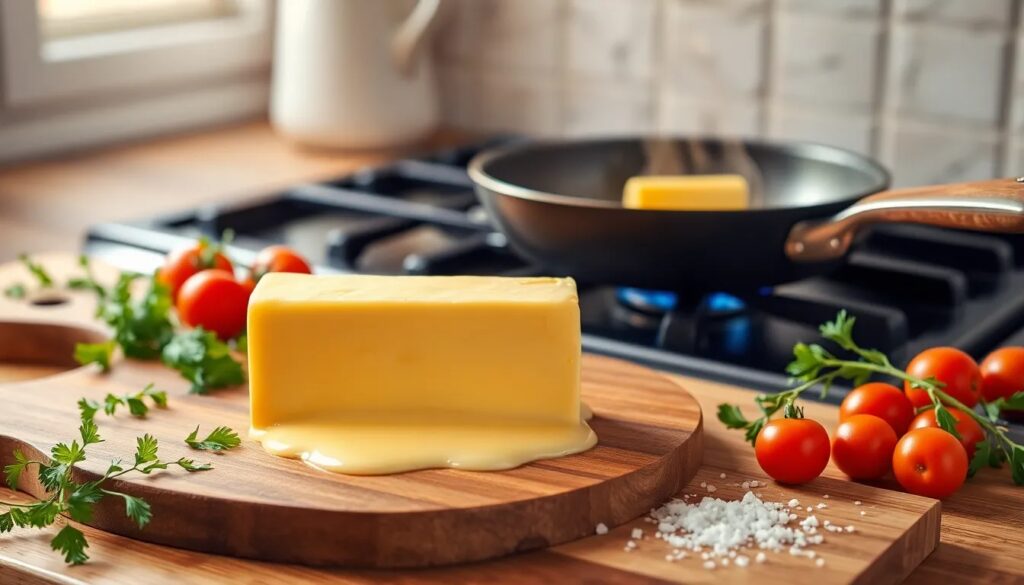
Understanding the smoke points of different cooking fats is crucial for safe and effective culinary practices. Each fat has a specific smoke point, the temperature at which it begins to smoke and break down, influencing its use in cooking. For instance, butter has a smoke point of approximately 300°F, making it less suitable for high-temperature searing compared to oils like avocado and coconut oil, which can reach temperatures of 520°F and 450°F respectively.
Table of Contents
- What's a smoke point and why does it matter?
- What is the smoke point of butter?
- What is the smoke point of olive oil?
- What is the smoke point of canola oil?
- What is the smoke point of avocado oil?
- How does the smoke point affect cooking techniques?
- What are the risks of cooking with oils beyond their smoke point?
- Questions related to smoke points of cooking oils
What's a smoke point and why does it matter?
A smoke point is the temperature at which oil or fat begins to produce visible smoke. This process indicates that the fat is starting to break down, potentially leading to the formation of harmful compounds. Knowing the smoke point of various cooking oils is essential for ensuring that food is cooked safely and effectively.
When cooking, using a fat with a higher smoke point can prevent the release of toxic substances and undesirable flavors. For example, butter, with its lower smoke point, is better suited for baking or sautéing at moderate temperatures rather than for high-heat frying.
In culinary practices, understanding the smoke point helps in selecting the right fat for specific cooking methods. Cooking at appropriate temperatures not only enhances the flavor but also preserves the nutritional value of the food being prepared.
What is the smoke point of butter?
The smoke point of butter is approximately 300°F (150°C). This relatively low smoke point means that cooking with butter at high temperatures can lead to burning and the production of acrid smoke.
If you enjoy the rich flavor of butter in your dishes, it's advisable to use it in recipes that require moderate cooking temperatures. Adding a bit of oil with a higher smoke point can help extend its usability in cooking.
Additionally, clarified butter or ghee has a significantly higher smoke point, around 450°F (232°C), making it a more versatile option for frying and sautéing while still retaining the buttery flavor.
What is the smoke point of olive oil?
The smoke point of olive oil varies depending on its type. Extra virgin olive oil, which is less refined, has a smoke point of about 320°F (160°C). Conversely, refined olive oil can have a smoke point of around 465°F (240°C).
Using refined olive oil in high-heat cooking methods is recommended, while extra virgin olive oil is best suited for dressing salads or drizzling over cooked dishes.
When considering olive oil for cooking, it’s crucial to choose the appropriate type based on the cooking method to avoid burning and to maximize flavor.
What is the smoke point of canola oil?
Canola oil is a widely used cooking oil with a smoke point of approximately 400°F (204°C). This makes it suitable for various cooking methods, including frying and baking.
One of the benefits of canola oil is its neutral flavor, allowing it to be an excellent choice for recipes where the taste of the fat should not overpower the other ingredients.
Moreover, canola oil is often hailed for its health benefits, including a favorable balance of omega-3 and omega-6 fatty acids, making it a popular choice among health-conscious cooks.
What is the smoke point of avocado oil?
The smoke point of avocado oil is one of the highest among cooking oils, reaching up to 520°F (271°C). This makes it an ideal option for high-heat cooking methods such as frying and grilling.
The rich flavor of avocado oil also complements many dishes, enhancing their taste without being overpowering. Its high nutrient content, including vitamins E and K, contributes to its growing popularity in health-oriented cooking.
For cooks looking to maximize the health benefits and culinary applications of their fats, avocado oil stands out as a versatile option for a variety of cooking techniques.
How does the smoke point affect cooking techniques?
Understanding smoke points is essential for determining the right cooking techniques. When a fat reaches its smoke point, it not only produces smoke but can also create unpleasant flavors in the food.
For example, using butter at high temperatures can lead to burned bits in your dish, which detracts from its overall quality. Conversely, oils with higher smoke points like avocado oil can withstand intense heat, resulting in perfectly cooked meals.
In addition, cooking oils beyond their smoke point can release harmful free radicals and other toxic compounds, making it essential to adhere to recommended temperatures for the specific fat being used.
- Choosing the right fat for the right cooking method: This ensures optimal flavor and safety.
- Preventing the release of harmful compounds: Cooking at the correct temperatures helps maintain health standards.
- Enhancing flavor: Utilizing the proper oil can elevate the taste of your dish.
What are the risks of cooking with oils beyond their smoke point?
Cooking with oils that exceed their smoke point can lead to several risks. Firstly, it can produce harmful compounds that may pose health risks when consumed.
Secondly, the burned oils can impart a bitter taste to your food, ruining the dish. This can be particularly problematic for culinary professionals and home cooks aiming for a high-quality final product.
Lastly, overcooking fats can lead to the formation of compounds like acrolein, which can irritate the respiratory system. Therefore, monitoring cooking temperatures and understanding the smoke points of fats is crucial for both flavor and health.
What butter has the highest smoke point?
The butter with the highest smoke point is clarified butter, also known as ghee, which has a smoke point of around 450°F (232°C). This makes it far more suitable for high-heat cooking compared to regular butter, which smokes at approximately 300°F (150°C). Ghee retains the rich flavor of butter while being more versatile for various cooking methods.
Will butter burn at 400 degrees?
Yes, regular butter will burn at 400°F (204°C). Cooking at such high temperatures can easily exceed its smoke point, leading to burnt bits and an undesirable flavor in your dish. To avoid this, it's better to use clarified butter or ghee when cooking at high temperatures.
Does olive oil have a higher smoke point than butter?
Yes, refined olive oil has a higher smoke point than regular butter. While butter smokes at around 300°F (150°C), refined olive oil can reach up to 465°F (240°C). This makes olive oil a safer choice for high-heat cooking, while butter is better suited for lower temperature applications.
How to increase the smoke point of butter?
To increase the smoke point of butter, you can clarify it to create ghee. This process removes the milk solids and water from the butter, resulting in a purer fat that has a much higher smoke point, around 450°F (232°C). This allows you to enjoy the flavor of butter while using it in higher temperature cooking methods.
If you want to know other articles similar to Smoke point of butter you can visit the category Cooking and recipes for every home cook.

More embers