

Smoking point of avocado oil explained
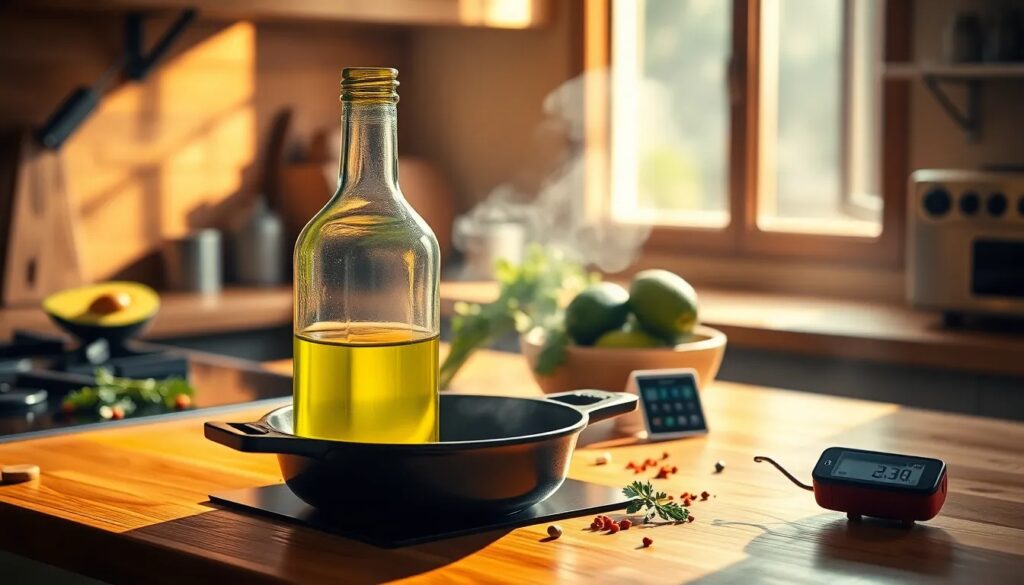
The smoking point of avocado oil is a crucial factor for anyone who enjoys cooking. When oil reaches its smoking point, it begins to break down, producing smoke and potentially harmful compounds. Understanding this concept can greatly enhance your culinary experience, making your dishes healthier and more flavorful.
In this article, we will explore the significance of the smoking point of avocado oil, how it compares to other culinary oils, and the best practices for its use and storage. This information will help you make more informed choices in the kitchen.
Table of Contents
- Why is the smoke point of avocado oil relevant for cooking?
- What is the smoking point of avocado oil in Celsius?
- How does the smoking point of avocado oil compare to other oils?
- What are the best cooking methods for high smoke point oils?
- What happens when avocado oil reaches its smoke point?
- How to properly store avocado oil to maintain its quality?
- What should you look for when choosing avocado oil?
- Related questions about avocado oil and smoke points
Why is the smoke point of avocado oil relevant for cooking?
Cooking with oils that have high smoke points is essential for achieving delicious flavors while ensuring safety. The smoking point of avocado oil is particularly high, making it suitable for various cooking methods, including frying and sautéing. When you exceed the smoke point, the oil can oxidize, leading to the formation of harmful free radicals.
Using oils with appropriate smoke points can enhance the nutritional profile of your meals. Avocado oil, with its high levels of monounsaturated fats, can promote heart health while being versatile enough for different cooking techniques.
In contrast, oils like olive oil have lower smoke points, making them better suited for dressings or low-heat applications. Understanding the smoke point of avocado oil can guide you in selecting the right oil for your cooking needs.
What is the smoking point of avocado oil in Celsius?
The smoking point of avocado oil can vary based on its refinement. Generally, refined avocado oil boasts a smoking point of up to 270°C (520°F). This high temperature makes it one of the best options for high-heat cooking methods.
On the other hand, unrefined avocado oil, which retains more nutrients, has a lower smoking point at approximately 190°C (374°F). This distinction is important to note, as it influences how and when you use each type of avocado oil.
Here’s a quick overview of the smoke points of different types of avocado oil:
- Refined avocado oil: Up to 270°C (520°F)
- Unrefined avocado oil: Approximately 190°C (374°F)
Incorporating avocado oil in your dishes can significantly boost their health benefits while ensuring your cooking remains safe.
How does the smoking point of avocado oil compare to other oils?
When comparing the smoking point of avocado oil to other common oils, it stands out for its versatility. Here’s how it stacks up against other popular culinary oils:
- Olive oil: Smoking point of around 190–220°C (374–428°F)
- Coconut oil: Smoking point of about 177°C (350°F)
- Canola oil: Smoking point of approximately 204°C (400°F)
- Sunflower oil: Smoking point varies from 227°C to 232°C (440°F to 450°F)
As evident, refined avocado oil ranks among the highest, making it ideal for high-heat applications. This characteristic makes it an excellent choice for frying, roasting, and baking, unlike olive oil or coconut oil, which are better for low to medium-temperature cooking.
What are the best cooking methods for high smoke point oils?
Using high smoke point oils like avocado oil can enhance various cooking methods. Here are some of the best techniques to utilize them effectively:
- Frying: Perfect for deep frying due to its high tolerance to heat.
- Sautéing: Quickly cook vegetables or proteins without the risk of burning the oil.
- Roasting: Ideal for roasting at high temperatures, allowing for a crispy texture.
- Baking: Excellent for baked goods that require higher temperatures.
Employing these methods with avocado oil not only maximizes flavor but also retains the nutritional benefits associated with this oil.
What happens when avocado oil reaches its smoke point?
When avocado oil reaches its smoke point, several undesirable reactions occur. First, the oil begins to produce smoke, which can impart a burnt flavor to your food. Overheating can also lead to the formation of free radicals, which are harmful compounds that can negatively impact health.
Moreover, the beneficial nutrients in avocado oil, such as antioxidants, start to degrade beyond the smoke point. This degradation diminishes the health benefits that the oil would typically offer, making it less effective as a healthy alternative in your cooking.
Therefore, it is crucial to monitor the temperature when cooking with avocado oil and select appropriate heat levels to avoid surpassing its smoke point.
How to properly store avocado oil to maintain its quality?
To ensure that your avocado oil retains its beneficial properties, proper storage is essential. Here are some tips for maintaining the quality of your avocado oil:
- Keep it in a cool, dark place: Exposure to light and heat can accelerate oxidation.
- Seal tightly: Ensure the bottle is sealed to prevent air exposure, which can lead to rancidity.
- Choose dark glass bottles: These protect against UV light, preserving the oil’s quality.
- Monitor expiration dates: Always check the date on the bottle to ensure freshness.
Implementing these storage practices will help maintain the integrity of avocado oil, allowing you to enjoy its flavors and health benefits for longer.
What should you look for when choosing avocado oil?
Selecting high-quality avocado oil involves several considerations. To ensure you are making the best choice, look for the following:
- Labeling: Opt for oils that are labeled as "extra virgin" or "cold-pressed" as they retain more nutrients.
- Origin: Research the origin of the oil; reputable brands source their avocados from trusted farms.
- Packaging: Choose dark glass bottles to prevent light damage and oxidation.
- Certification: Look for certifications that ensure the quality and purity of the oil.
By being mindful of these factors, you can confidently select avocado oil that meets your culinary needs while providing health benefits.
Which oil has the highest smoke point?
Among commonly used cooking oils, refined avocado oil has one of the highest smoke points, reaching up to 270°C (520°F). Other oils with high smoke points include refined sunflower oil and refined canola oil, making them suitable for high-heat cooking as well.
Is avocado oil good for high heat cooking?
Yes, avocado oil is excellent for high heat cooking due to its high smoke point. This makes it ideal for frying, baking, and roasting without breaking down and producing harmful compounds.
Can I use avocado oil to season cast iron?
Absolutely! Avocado oil is a great choice for seasoning cast iron cookware. Its high smoke point allows it to create a stable, non-stick surface while also adding beneficial fats to the pan.
What is the smoke point of avocado oil vs olive oil?
The smoke point of avocado oil is significantly higher than that of olive oil. While refined avocado oil can reach up to 270°C (520°F), olive oil typically has a smoke point ranging from 190°C to 220°C (374°F to 428°F). This makes avocado oil more suitable for high-heat applications.
If you want to know other articles similar to Smoking point of avocado oil explained you can visit the category Uncategorized.


More embers