

Beef chuck eye: an affordable steak option
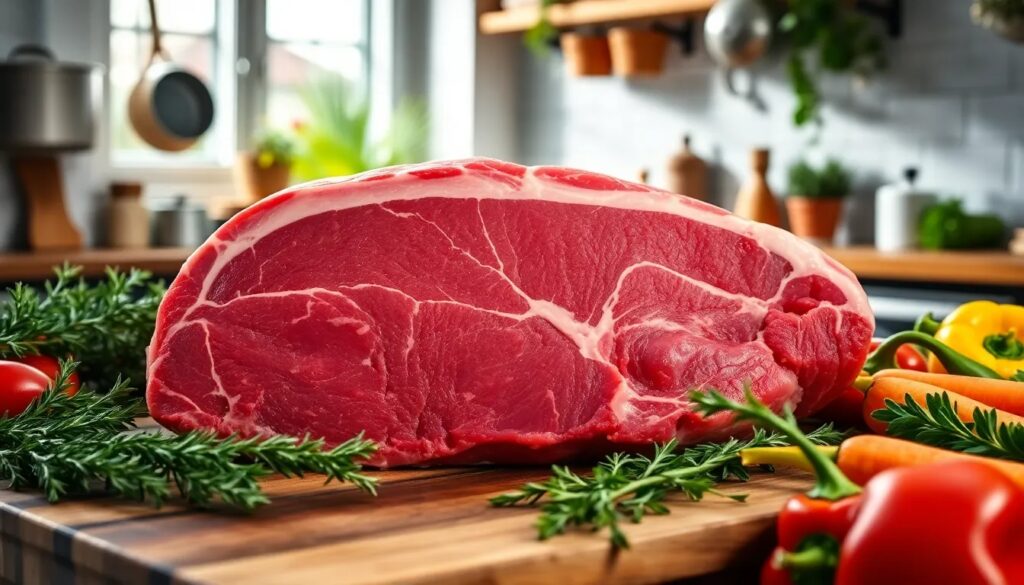
The beef chuck eye steak, often deemed the "poor man's ribeye," is a deliciously affordable cut that appeals to steak lovers looking for flavor without breaking the bank. Originating from the cow's upper shoulder, this versatile cut is perfect for those who appreciate a rich, beefy taste in their meals.
Its unique position in the chuck primal makes it a prime candidate for high-heat cooking methods, allowing for an enjoyable dining experience at an economical price.
Table of Contents
What is chuck eye steak?
Chuck eye steak is a flavorful cut from the upper shoulder of the beef. Specifically, it is derived from the chuck primal, which includes a section of the longissimus dorsi muscle, offering a taste and texture similar to ribeye. Typically, there are only two chuck eye steaks per cow, making it a rare and sought-after cut.
This steak is often referred to as the "poor man's ribeye" due to its affordability and rich flavor profile. The chuck eye steak is perfect for high-heat cooking methods such as grilling and pan-searing. Its marbling, while not as pronounced as ribeye, provides enough fat to keep the meat tender and juicy.
Many beef enthusiasts appreciate this cut for its value and taste, as it allows them to enjoy a steakhouse-quality meal at home without the hefty price tag.
How to cook chuck eye steak?
Cooking beef chuck eye steak can be a straightforward process, and there are several methods you can use to achieve optimal results. Here are a few tips for cooking this affordable steak option:
- Grilling: Preheat your grill to high heat, and cook the steak for about 4-5 minutes on each side for medium-rare doneness.
- Pan-searing: Heat a cast-iron skillet over medium-high heat, add oil, and sear the steak for a similar cooking time as grilling.
- Oven-baking: Sear the steak on the stove and then transfer it to a preheated oven at 400°F (200°C) to finish cooking to your desired level.
Regardless of the cooking method, it’s essential to season the steak adequately. A simple seasoning of salt and pepper is often enough, but you can elevate the flavor further with herb butter seasoning or marinades.
Letting the steak rest for a few minutes after cooking is also crucial. This allows the juices to redistribute, ensuring a tender and flavorful bite every time.
What does chuck eye steak taste like?
The taste of beef chuck eye steak is often described as rich and robust. While it may not be as tender as ribeye, it still offers a satisfying bite with a deep, beefy flavor that shines through when cooked correctly.
Chuck eye steak carries a good amount of marbling, which contributes to its juiciness and flavor. When grilled or pan-seared, the caramelization of the meat's surface enhances the overall taste, making it an enjoyable choice for steak lovers.
A well-cooked chuck eye steak will have a delightful combination of tenderness and chewiness, appealing to those who appreciate a bit of texture in their steak. It’s versatile in terms of flavor pairings, making it suitable for various side dishes and sauces.
Chuck eye steak recipes: delicious ideas to try
If you're looking for ways to enjoy beef chuck eye steak, here are some delicious recipe ideas to inspire your cooking:
- Grilled Chuck Eye Steak with Chimichurri: Marinate the steak in chimichurri sauce for a flavorful kick before grilling.
- Pan-Seared Chuck Eye Steak with Garlic Herb Butter: Top the steak with a rich garlic herb butter for added flavor.
- Chuck Eye Steak Fajitas: Slice the cooked steak and serve it in warm tortillas with peppers and onions for a delightful meal.
- Steak Salad: Cut the grilled steak into strips and toss it over a fresh salad with your favorite dressing.
- Beef Chuck Eye Stir-Fry: Slice the steak thinly and stir-fry with vegetables and soy sauce for a quick weeknight dinner.
These recipes showcase the versatility of chuck eye steak and make it easy to include this budget-friendly cut in your weekly meal rotations.
Chuck eye steak vs. chuck roast: what’s the difference?
When comparing beef chuck eye steak to chuck roast, there are a few key differences to consider:
Cut location: Chuck eye steak comes from the upper shoulder area, while chuck roast is cut from the shoulder area but includes more connective tissue, making it ideal for slow cooking.
Tenderness: The chuck eye steak is generally more tender than chuck roast, making it suitable for high-heat cooking methods, whereas chuck roast benefits from slower cooking to break down the connective tissue and become tender.
Cooking methods: While the chuck eye steak is perfect for grilling or pan-searing, chuck roast is best suited for slow cooking methods such as braising or pot roasting, which allows the meat to become incredibly tender over time.
Understanding these differences will help you choose the right cut for your cooking needs.
Where to buy chuck eye steak: tips for finding the best cuts
When looking to buy beef chuck eye steak, here are some tips to help you find the best cuts:
- Visit a local butcher: A reputable butcher can often provide high-quality cuts and may even offer recommendations based on your preferences.
- Check for freshness: Look for steaks that are bright red in color with good marbling. Avoid any cuts that appear dull or discolored.
- Ask about sourcing: If possible, inquire about the sourcing of the beef. Grass-fed or organic options may offer enhanced flavor and quality.
By following these tips, you'll be well on your way to enjoying a delicious beef chuck eye steak in your next meal.
What is beef chuck eye good for?
The beef chuck eye steak is an excellent choice for those looking for a budget-friendly dinner idea. It is versatile and can be prepared in numerous ways, making it suitable for various cuisines. This cut is particularly good for high-heat cooking methods and is ideal for grilling or pan-searing to enhance its rich flavor.
Additionally, the chuck eye steak can be used in stir-fries, salads, or even as a filling for tacos, allowing for delightful flavor combinations. The affordability of this cut makes it an attractive option for families or anyone wanting to enjoy a hearty meal without overspending.
What's the best way to cook chuck eye?
The best way to cook chuck eye steak is through high-heat methods such as grilling or pan-searing. These techniques help to develop a nice crust on the outside while keeping the inside tender and juicy. Preheating your grill or skillet is essential for achieving the desired results.
For optimal flavor, season the steak simply with salt and pepper or use a marinade to enhance its taste. Cooking until medium-rare (about 130-135°F or 54-57°C) allows the natural flavors to shine without overcooking the meat.
What is another name for a chuck eye steak?
Another name for a chuck eye steak is the "chuck eye roll." This term refers to the same cut, highlighting its origin from the chuck primal of the cow. The name emphasizes its connection to the ribeye while noting its more economical nature.
Is beef chuck eye steak tender?
Beef chuck eye steak is relatively tender compared to other chuck cuts, although it may not be as tender as ribeye. The presence of marbling helps maintain its juiciness and flavor during cooking. By using high-heat methods and proper cooking techniques, you can achieve a delightful tenderness that makes the chuck eye steak a satisfying choice for any meal.
This video showcases delicious cooking techniques for beef chuck eye steak, providing visual guidance to enhance your culinary skills. Enjoy experimenting with this flavorful cut in your next meal!
If you want to know other articles similar to Beef chuck eye: an affordable steak option you can visit the category Uncategorized.


More embers