
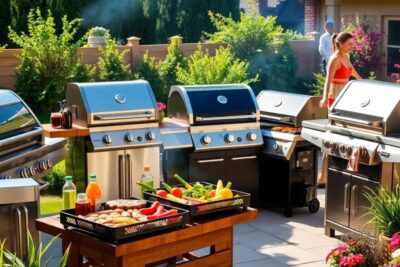
Natural gas outdoor grills
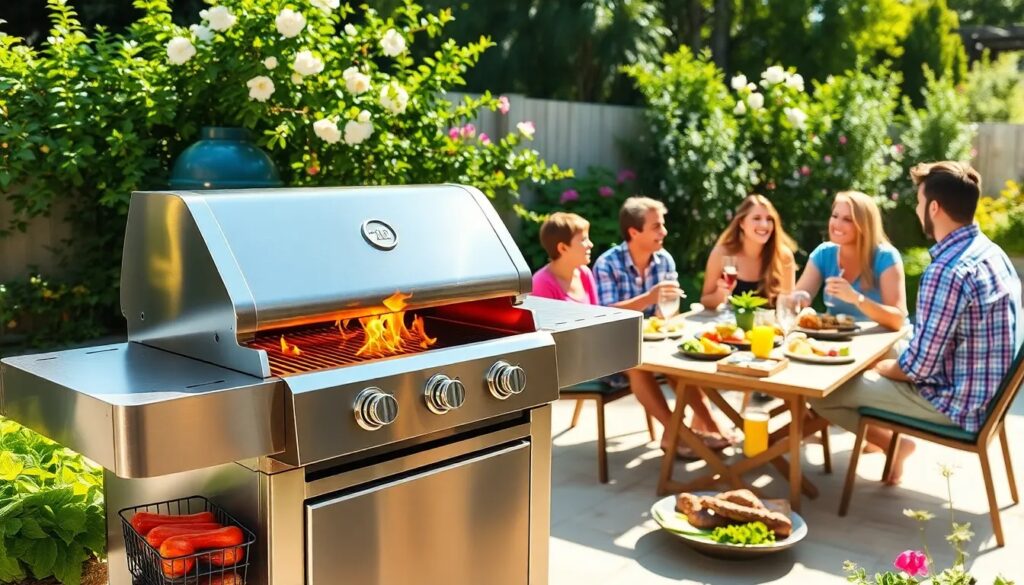
Natural gas outdoor grills are becoming increasingly popular among outdoor cooking enthusiasts. They offer unparalleled convenience, versatility, and durability for those who love to grill. This guide will explore the world of natural gas grills, highlighting their features, maintenance tips, and the best brands available on the market.
Whether you're a seasoned grill master or just starting, understanding the benefits of natural gas outdoor grills can significantly enhance your grilling experience.
Table of Contents
- What are natural gas outdoor grills?
- Why choose natural gas outdoor grills over propane?
- What features should you look for in natural gas outdoor grills?
- How to maintain your natural gas outdoor grill?
- Are there any eco-friendly benefits of natural gas outdoor grills?
- What are the best brands for natural gas outdoor grills?
- Frequently asked questions about natural gas outdoor grills
- Is a natural gas line to grill worth it?
- Are natural gas grills a thing?
- Is it worth converting a propane grill to natural gas?
- Is it better to grill with propane or natural gas?
What are natural gas outdoor grills?
Natural gas outdoor grills are specially designed cooking appliances that utilize natural gas as their primary fuel source. Unlike other grills that rely on propane tanks, these grills are connected directly to a home’s natural gas line, providing an uninterrupted supply of fuel.
These grills typically come equipped with a range of features, including multiple burners, side burners, and rotisserie options, allowing for a versatile cooking experience. Additionally, they often include advanced temperature control and ignition systems, enhancing user convenience.
One major advantage of using natural gas outdoor grills is their efficiency. They heat up quickly and maintain temperature well, making them ideal for cooking a variety of dishes. This efficiency can lead to significant savings in fuel costs over time.
Why choose natural gas outdoor grills over propane?
Choosing between natural gas and propane grills often comes down to personal preference and specific cooking needs. One of the main benefits of natural gas outdoor grills is their convenience. Once installed, they eliminate the hassle of changing out propane tanks or running out of fuel during a cookout.
Moreover, natural gas tends to be cheaper than propane, which can make a significant difference for regular grillers. This cost-effectiveness is particularly appealing for avid outdoor cooks.
Another important consideration is the environmental impact. Natural gas is considered a cleaner-burning fuel compared to propane, producing fewer emissions. Thus, using natural gas outdoor grills may align better with eco-friendly grilling practices.
What features should you look for in natural gas outdoor grills?
When selecting a natural gas outdoor grill, there are several key features to consider:
- Burner Count: More burners offer greater cooking versatility.
- Material: Stainless steel is preferred for durability and ease of cleaning.
- Side Burners: Ideal for preparing sauces or side dishes simultaneously.
- Rotisserie Features: Great for slow-cooking meats.
- Temperature Control: Ensure precise grilling with adjustable heat settings.
Additionally, look for models with integrated thermometers and warming racks. These features can enhance your grilling experience, making it easier to achieve perfect results.
How to maintain your natural gas outdoor grill?
Proper maintenance is essential for ensuring the longevity of your natural gas outdoor grill. Regular cleaning and care will help keep it in optimal condition. Here are some tips:
- Clean grates after each use to prevent residue buildup.
- Check for gas leaks periodically, which can be done using soapy water.
- Inspect burners for blockages and clean them as necessary.
- Cover your grill when not in use to protect it from the elements.
- Perform a deep clean at least once a season, including all internal components.
Adhering to these maintenance practices ensures that your grill performs efficiently and lasts for years. Regular upkeep not only enhances performance but also guarantees safety during grilling.
Are there any eco-friendly benefits of natural gas outdoor grills?
Natural gas outdoor grills offer several ecological advantages that appeal to environmentally conscious consumers. For starters, natural gas burns cleaner than propane, resulting in lower emissions of harmful pollutants. This makes it a more sustainable choice for outdoor cooking.
Moreover, using natural gas can also lead to reduced greenhouse gas emissions compared to other fuel types. This aligns with the growing trend of eco-friendly grilling, as more consumers seek to minimize their carbon footprint.
Additionally, the efficiency of natural gas outdoor grills means less fuel is required to achieve desired cooking temperatures, making the grilling process even more sustainable.
What are the best brands for natural gas outdoor grills?
When considering the best natural gas outdoor grills, several brands have established themselves as leaders in the market. Here are some top contenders:
- Weber: Renowned for its high-quality construction and innovative features.
- Napoleon: Offers a variety of models with advanced options, including rotisserie features.
- Nexgrill: Known for affordable models that still provide excellent performance.
- Dyna-Glo: Produces durable grills with a range of cooking options.
- Fuego: Recognized for its unique design and compact models suitable for small spaces.
These brands provide options that cater to various needs, whether you’re looking for high-quality natural gas outdoor grills or affordable options with side burners. Each brand brings its strengths, ensuring that there’s something for everyone.
Frequently asked questions about natural gas outdoor grills
Is a natural gas line to grill worth it?
Installing a natural gas line for your grill can be a worthwhile investment for many. It provides a continuous supply of fuel, eliminating the need for refilling propane tanks. This convenience can enhance your grilling experience.
Moreover, connecting directly to your home’s gas line can lead to cost savings over time, particularly for those who grill frequently. Additionally, it ensures you won’t run out of fuel mid-cookout, which can be frustrating during gatherings.
Are natural gas grills a thing?
Yes, natural gas grills are quite popular among outdoor cooking enthusiasts. They offer several benefits, including efficiency, cost-effectiveness, and eco-friendliness. Many brands produce high-quality models that cater to various cooking styles and preferences.
With the right features, natural gas outdoor grills can compete with propane models in terms of performance and versatility. For those committed to outdoor cooking, a natural gas grill can be an excellent investment.
Is it worth converting a propane grill to natural gas?
Converting a propane grill to natural gas can be a viable option if you find yourself frequently grilling outdoors. This conversion allows you to access a consistent fuel source without the hassle of managing propane tanks. However, it’s crucial to ensure that the grill is compatible for conversion.
While the conversion process may involve costs, the long-term savings on fuel can justify the initial investment. Additionally, the convenience of a natural gas connection can significantly enhance your grilling experience.
Is it better to grill with propane or natural gas?
The choice between propane and natural gas often depends on personal preferences and cooking styles. Natural gas typically offers greater convenience since it connects directly to your home’s gas line. This eliminates the need to monitor fuel levels actively.
On the other hand, propane can be more portable, making it suitable for those who enjoy grilling in various locations. Ultimately, both options have their advantages, and the best choice will vary based on individual cooking habits and preferences.
If you want to know other articles similar to Natural gas outdoor grills you can visit the category Gas Grill Reviews.


More embers