

Natural gas grill options for your outdoor cooking
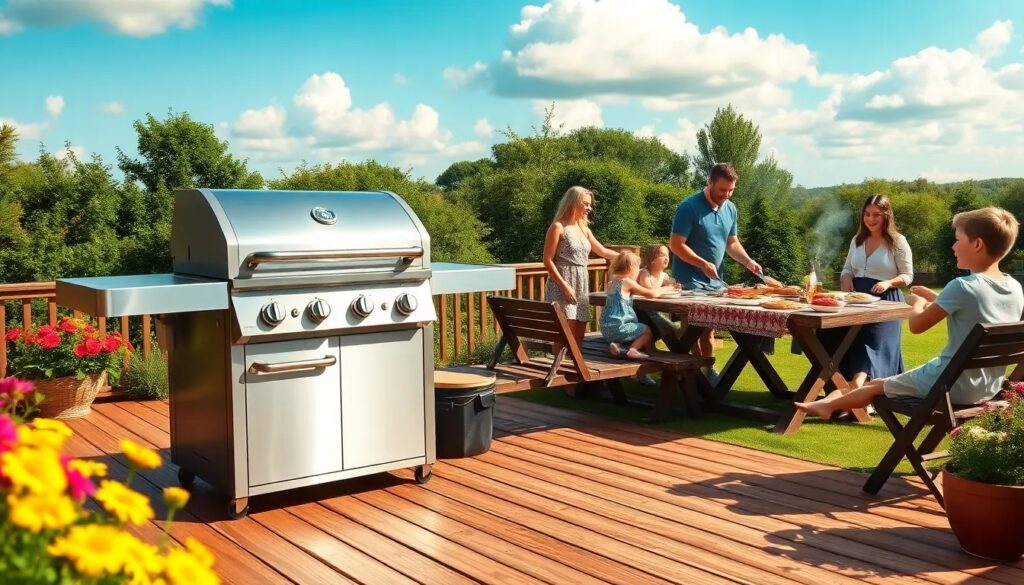
Natural gas grills have become a popular choice for outdoor cooking enthusiasts. They offer the convenience of a continuous fuel supply and are often more economical in the long run. In this guide, we will explore everything you need to know about natural gas grills, from their benefits to installation tips, along with recommendations for various models.
Table of Contents
- What are natural gas grills?
- Why choose a natural gas grill over a propane grill?
- What are the best natural gas grill options for your outdoor cooking?
- How do I install a natural gas grill?
- What features should I look for in a natural gas grill?
- What are the benefits of using a natural gas grill?
- Are there compact natural gas grills for small spaces?
- Related questions about natural gas grills
- Frequently asked questions about natural gas grills
What are natural gas grills?
Natural gas grills are outdoor cooking appliances that utilize natural gas as a fuel source. Unlike propane grills, which require portable gas tanks, natural gas grills are connected directly to your home’s natural gas line. This setup ensures a constant fuel supply, allowing for longer cooking sessions without the need to refill tanks.
These grills come in various sizes, styles, and price ranges, making them suitable for different cooking needs and outdoor spaces. Many models include features such as multiple burners, side burners, and warming racks, enhancing the cooking experience significantly.
Furthermore, natural gas grills are generally considered more eco-friendly compared to propane options. They emit fewer greenhouse gases and are often more cost-effective over time. Many users appreciate the convenience and efficiency that a natural gas grill provides, especially for regular outdoor cooking.
Why choose a natural gas grill over a propane grill?
Choosing a natural gas grill over a propane grill can offer several advantages. One of the main benefits is the continuous supply of fuel. With a natural gas line, you won't have to worry about running out of fuel mid-cooking.
- Cost-effective: Natural gas is typically cheaper than propane, making it a budget-friendly option for frequent grilling.
- Environmentally friendly: Natural gas produces fewer emissions than propane, making it a greener choice.
- Convenience: No need to store heavy gas tanks or worry about refueling.
- Consistent heat: Natural gas grills often provide more stable heat, leading to better cooking results.
Moreover, many homeowners find that the installation of a natural gas line can increase the overall value of their property, providing an attractive feature for potential buyers.
What are the best natural gas grill options for your outdoor cooking?
Selecting the right natural gas grill can be daunting given the plethora of options available. Here are some of the top-rated models that cater to various needs:
1. Weber Spirit E-425: This grill is known for its durable construction and excellent cooking performance. With four burners and a side burner, it offers ample cooking space for families and gatherings.
2. Napoleon Rogue 425: This model offers versatile cooking options with its infrared side burner and durable stainless steel construction, ensuring longevity and effectiveness.
3. Genesis E-325: Another superb model from Weber, the Genesis E-325 features smart technology allowing for precise temperature control and an easy ignition system.
4. Nexgrill 5-Burner: Ideal for budget-conscious buyers, this grill offers great value without compromising on quality or features. It's spacious and perfect for larger cooking needs.
5. Weber Spirit SB-E: This grill provides excellent features such as a built-in side burner and compact size for smaller patios or balconies.
Each of these models has its own unique features and benefits, making them suitable for various cooking styles and budgets.
How do I install a natural gas grill?
Installing a natural gas grill requires careful planning and adherence to safety standards. Here are steps to ensure a successful installation:
1. Check local codes: Before installation, verify local building codes regarding gas line installations. Some areas may require a professional to do this work.
2. Choose the right location: The grill should be placed in a well-ventilated area, away from walls and flammable materials. Ensure there’s enough space for cooking and movement.
3. Connect the gas line: If you’re comfortable doing it yourself and local codes allow, follow the manufacturer’s instructions for connecting the grill to the gas line. Otherwise, consider hiring a professional plumber.
4. Test for leaks: After installation, check all connections for gas leaks using a soapy water solution. If bubbles form, there’s a leak that needs to be fixed before using the grill.
5. Follow usage guidelines: Ensure you read all operating instructions provided by the manufacturer before the first use.
By following these steps, you can successfully install your natural gas grill and enjoy outdoor cooking with peace of mind.
What features should I look for in a natural gas grill?
When shopping for a natural gas grill, consider various features that can enhance your grilling experience. Here are some essential features to keep in mind:
- Number of burners: More burners provide greater cooking versatility. Look for grills with at least three burners for even cooking.
- Material quality: Stainless steel is preferred for its durability and resistance to rust. Check the build quality of the grill to ensure longevity.
- Side burners: If you enjoy cooking sides or sauces while grilling, opt for models with built-in side burners.
- Warming racks: These racks are useful for keeping food warm while the main dishes finish cooking.
- Temperature gauges: Integrated gauges help monitor the grill's heat, ensuring your food cooks evenly.
By evaluating these features, you can choose a grill that best fits your cooking habits and outdoor space requirements.
What are the benefits of using a natural gas grill?
Natural gas grills come with several benefits that make them a preferred choice for many enthusiasts:
- Cost savings: With natural gas usually being cheaper than propane, users can save money over time, especially with frequent grilling.
- Convenience: The continuous fuel supply eliminates the need for tank exchanges or refills, making it hassle-free.
- Consistent heating: Natural gas grills often provide more stable heat, which is crucial for achieving the best cooking results.
- Eco-friendly option: Natural gas produces fewer emissions, making it a more environmentally conscious choice for grilling.
- Versatility: Many models come with additional features that allow for various cooking methods, from grilling to roasting.
These benefits highlight why many people prefer natural gas grills for their outdoor cooking needs.
Are there compact natural gas grills for small spaces?
Yes, there are many compact natural gas grills designed specifically for small spaces, such as balconies or small patios. These grills are ideal for those who want to enjoy outdoor cooking without requiring a large footprint. Some key options include:
- Weber Spirit E-210: This model is compact yet packs a punch with its two burners, making it a great choice for small gatherings.
- Nexgrill 2-Burner Portable Grill: Perfect for those who want mobility, this grill is easy to set up and store, ideal for limited space.
- Napoleon TravelQ: A portable option that doesn’t compromise on performance, this grill is great for urban dwellers or those who frequently travel.
These compact models ensure that you don’t have to sacrifice quality or performance, even in smaller outdoor areas.
Frequently asked questions about natural gas grills
Is natural gas good for grilling?
Yes, natural gas is an excellent choice for grilling. It provides a consistent and reliable heat source that can enhance your cooking experience. The ability to connect directly to your home’s gas line means you won’t run out of fuel during cooking, allowing for longer grilling sessions. Moreover, natural gas is generally more cost-effective compared to propane, making it a budget-friendly option.
Is a natural gas line to grill worth it?
Absolutely! Installing a natural gas line can be a worthwhile investment for avid grillers. While the initial setup cost may be higher, the long-term savings on fuel costs can make it economical. Additionally, the convenience of having a continuous fuel supply enhances the grilling experience, reducing the hassles of refueling tanks.
What is better, a propane or natural gas grill?
Both propane and natural gas grills have their advantages, but natural gas grills tend to be more cost-effective and environmentally friendly. While propane grills offer portability and ease of use, natural gas grills provide the convenience of an endless fuel supply and are generally less expensive to operate in the long run. Ultimately, the choice depends on your cooking habits and space availability.
Can I convert any propane grill to natural gas?
Many propane grills can be converted to run on natural gas, but this isn’t always guaranteed. Some models come with conversion kits, while others might require professional assistance. It’s essential to check the manufacturer's guidelines and ensure that the conversion is safe and effective. If you're considering this route, consult with a qualified technician to avoid any potential hazards.
If you want to know other articles similar to Natural gas grill options for your outdoor cooking you can visit the category Gas Grill Reviews.

More embers