

BBQ gas grills
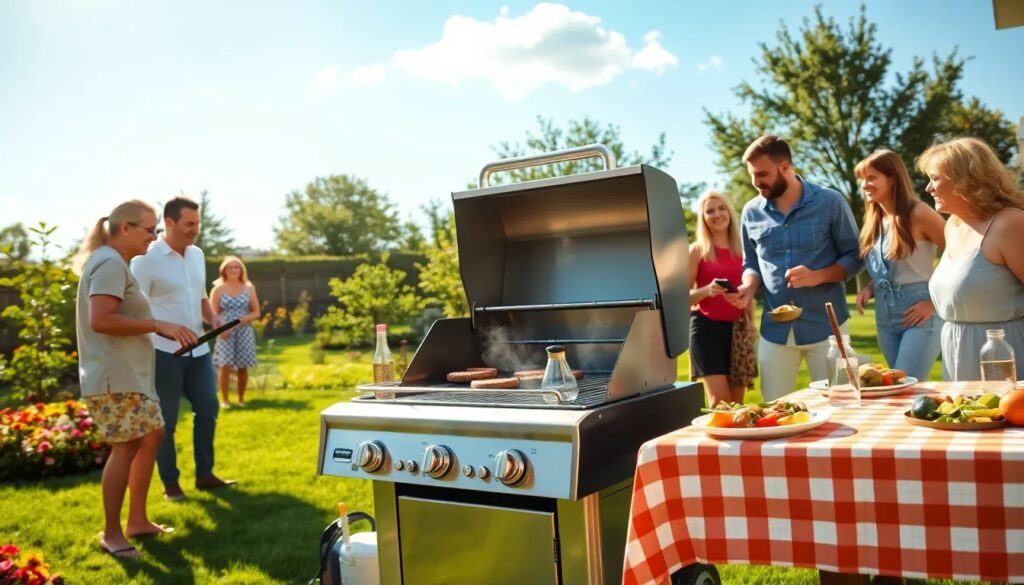
Gas grills have revolutionized outdoor cooking, offering convenience, speed, and versatility. Whether you're a seasoned grilling expert or a beginner eager to explore culinary delights, understanding bbq gas options can elevate your cooking experience. In this comprehensive guide, we will delve into various types of BBQ gas grills, their features, maintenance tips, and much more.
Table of Contents
- Why choose a BBQ gas grill?
- What are the different types of BBQ gas grills?
- How to select the best size for your gas grill?
- What features to look for in a BBQ gas grill?
- Where to find the best BBQ gas grill deals?
- How to maintain your BBQ gas grill for longevity?
- Related questions about BBQ gas grills
Why choose a BBQ gas grill?
BBQ gas grills provide a multitude of benefits compared to traditional charcoal grills. One of the most significant advantages is the convenience of instant heat. With just a turn of a knob, you can start grilling within minutes, making it ideal for impromptu gatherings.
Another key factor is the temperature control that gas grills offer. Unlike charcoal grills, where you must constantly monitor the heat, gas grills allow you to adjust the flame easily for precise cooking temperatures. This feature is especially useful when grilling delicate items like fish or vegetables.
Moreover, gas grills are generally easier to clean than their charcoal counterparts. The absence of ash and charcoal residue means less mess and a quick cleanup after your meal. Additionally, many models come with features like removable grease trays that make maintenance a breeze.
What are the different types of BBQ gas grills?
When shopping for a BBQ gas grill, you’ll encounter several types designed for various needs and preferences. Here are the most common options:
- Portable BBQ gas grills: Perfect for tailgating or camping, these grills are compact and easy to transport.
- Natural gas grill options: These grills connect directly to your home’s gas line, offering a continuous fuel supply.
- Built-in gas grills: Ideal for outdoor kitchens, these grills are designed to be installed into cabinetry or countertops.
- Freestanding units: Versatile and easy to move, these grills come with wheels and can be placed anywhere.
- Electric ignition grills: These models offer a simple start with the push of a button, eliminating the need for matches or lighters.
Each type has its own set of advantages, catering to different outdoor cooking styles and settings. Whether you’re looking for a model for home use or a portable option, there’s a BBQ gas grill that fits your needs.
How to select the best size for your gas grill?
Choosing the right size for your BBQ gas grill is crucial to ensure you have ample cooking space for your needs. Consider the following points when making your decision:
1. Cooking space: If you often host large gatherings, a grill with more cooking space is essential. Look for models with multiple burners to accommodate a variety of foods.
2. Available area: Measure the space where you plan to place the grill. Consider not only the grill itself but also additional space for side tables and storage.
3. Portability: For those who plan to move their grill frequently, a smaller, portable option may be the best choice. Lightweight models are easier to transport and set up.
It's essential to evaluate your typical cooking requirements before making a purchase. The ideal grill size not only enhances your cooking experience but also fits seamlessly into your outdoor space.
What features to look for in a BBQ gas grill?
When shopping for the best BBQ gas grill, there are several features that can significantly enhance your grilling experience. Here are some essential features to consider:
- Side burners: These are great for sauces or side dishes, allowing you to cook multiple items simultaneously.
- Storage space: Look for models with cabinets or shelves for storing grilling tools and accessories.
- Convertible fuel options: Some grills allow you to switch between propane and natural gas, providing flexibility.
- Durability: Stainless steel grills are often more resistant to rust and wear, contributing to longevity.
- Heat distribution system: An even heat distribution system ensures consistent cooking and prevents hot spots.
By considering these features, you can select a grill that not only meets your cooking style but also enhances your overall outdoor cooking experience.
Where to find the best BBQ gas grill deals?
Finding the best deals on BBQ gas grills can save you significant money while allowing you to invest in a quality product. Here are some tips for locating the best discounts:
1. Retailers: Check local home improvement stores like Ace Hardware, or larger retail chains for seasonal sales and promotions.
2. Online marketplaces: Websites like Amazon often have competitive pricing and customer reviews to help you make an informed decision.
3. Manufacturer promotions: Keep an eye on websites of brands such as Nexgrill and Weber, as they frequently offer discounts and special deals.
4. Comparison shopping: Use price comparison tools to find the best prices across multiple retailers.
Utilizing these strategies can help you secure a top-rated BBQ gas grill without breaking the bank.
How to maintain your BBQ gas grill for longevity?
Proper maintenance is key to ensuring your BBQ gas grill lasts for years to come. Here are some tips to keep your grill in top shape:
- Regular cleaning: After each use, clean the grates and drip trays to prevent grease buildup. A brush designed for grills can make this task easier.
- Check connections: Regularly inspect gas lines and connections for leaks or wear and replace any damaged components immediately.
- Cover your grill: When not in use, protect your grill with a durable cover to shield it from the elements.
- Season the grates: Applying a light coat of oil to the grates before use can prevent rust and make cleaning easier.
By following these maintenance practices, you can extend the life of your BBQ gas grill, ensuring it’s always ready for your next outdoor gathering.
What is the best gas to use for a barbecue?
When using a BBQ gas grill, the best gas options are typically propane or natural gas. Propane is widely available and offers portability, while natural gas is more cost-effective for those with a direct line installation. Each type has its pros and cons, but choosing the right gas depends on your grilling frequency and setup.
What kind of gas do barbecue grills use?
Most BBQ grills operate on either propane or natural gas. Propane is stored in portable tanks, while natural gas connects directly to your home’s gas line. Understanding the differences between these gas types can help you choose the best option for your grilling needs.
What is the best gas barbecue to buy?
The best gas barbecue often depends on personal preference and specific needs. However, models from brands like Weber, Dyna-Glo, and Nexgrill are popular choices due to their quality and performance. It’s advisable to read reviews and compare features to find the grill that best suits your style.
How long will a 20 lb propane tank last on a gas grill?
Generally, a 20 lb propane tank can last between 18 to 30 hours of cooking time on a gas grill, depending on usage and the grill's BTU output. This can vary based on how high you set the flame and what you are cooking. Monitoring the tank level can help ensure you never run out mid-barbecue.
If you want to know other articles similar to BBQ gas grills you can visit the category Gas Grill Reviews.


More embers