

Burner plate for gas stove: everything you need to know
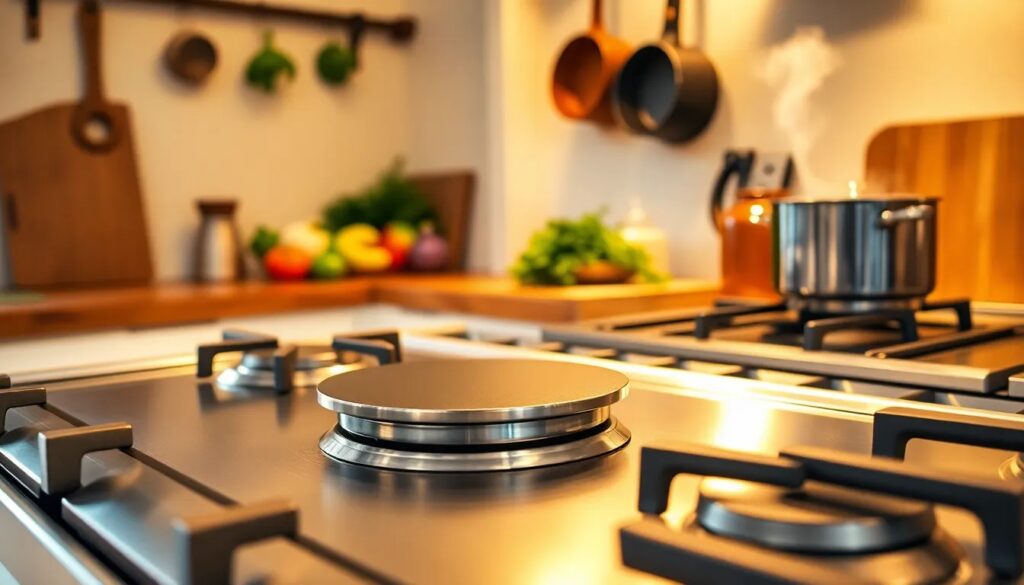
In the world of cooking, efficiency and control are paramount. One essential tool that enhances these aspects is the burner plate for gas stove. This guide will delve into everything you need to know about burner plates, their benefits, and how to select and maintain them.
Understanding the various types of burner plates and their functionalities can significantly improve your cooking experience. Get ready to explore the ins and outs of these essential kitchen accessories!
Table of Contents
- What is a burner plate for gas stove?
- How does a burner plate enhance cooking efficiency?
- What are the benefits of using a heat tamer plate?
- What is the best burner plate for gas stove?
- How to choose the right burner plate for your needs?
- Where to find replacement burner plates for gas stoves?
- How to properly maintain your burner plate?
- Frequently asked questions about burner plates for gas stoves
- Related questions about burner plates for gas stoves
What is a burner plate for gas stove?
A burner plate for gas stove is a flat surface, typically made of metal, that sits atop the burner of a gas stove. Its primary function is to distribute heat evenly across the base of cookware, improving cooking efficiency. With the right burner plate, you can expect better temperature control and more consistent cooking results.
There are various types of burner plates available, including heat tamer plates and cast iron simmer plates. Each serves a unique purpose, catering to different cooking styles and preferences. For instance, a heat diffuser plate can help prevent scorching while simmering sauces, allowing for a gentle and even heat.
Burner plates can also enhance safety by protecting the burner and promoting even heating, which reduces the risk of hot spots that can lead to burnt food. By choosing the right burner plate, you set the stage for a more enjoyable cooking experience.
How does a burner plate enhance cooking efficiency?
Using a burner plate for gas stove significantly improves cooking efficiency in multiple ways. First and foremost, it ensures even heat distribution, which is crucial for tasks like frying or simmering delicate sauces. Instead of having concentrated heat in one spot, the burner plate disperses it evenly across the bottom of the pan.
Moreover, a burner plate can help maintain a steady temperature. When cooking with gas, fluctuations in flame can lead to uneven cooking. A good burner plate acts as a buffer, stabilizing temperature and allowing for consistent cooking results.
Additionally, many burner plates, such as copper heat diffusers, offer high thermal conductivity. This means they quickly absorb heat and transfer it to your cookware, requiring less energy to maintain the desired cooking temperature.
What are the benefits of using a heat tamer plate?
Heat tamer plates are specifically designed to enhance cooking on gas stoves. One significant benefit is their ability to prevent scorching and burning, especially during low-heat cooking. They create a barrier that moderates the heat from the burner, allowing delicate foods to cook slowly and evenly.
Another advantage is their versatility. Heat tamer plates can be used for a variety of cooking techniques, including simmering, melting chocolate, or keeping food warm without further cooking it. This makes them a valuable addition to your kitchen arsenal.
Moreover, they are typically built from durable materials like cast iron or aluminum, which means they are long-lasting investment pieces. The durability ensures that you won't need to replace them frequently, making them a cost-effective solution for enhancing your cooking.
What is the best burner plate for gas stove?
Choosing the best burner plate for your gas stove depends on your specific cooking needs. For general cooking, durable aluminum burner plates are popular due to their lightweight nature and excellent heat distribution properties.
If you're focused on low-and-slow cooking methods, a cast iron simmer plate for gas stove can be incredibly effective. These plates retain heat well, ensuring even cooking and preventing food from burning.
For those looking for versatility, copper heat diffusers are an excellent choice as they provide rapid heat conduction and can be used for a variety of cooking methods.
- Aluminum burner plates: Lightweight and efficient.
- Cast iron simmer plates: Great for low-temperature cooking.
- Copper heat diffusers: Versatile and quick to conduct heat.
How to choose the right burner plate for your needs?
Choosing the right burner plate requires considering several factors. Start by evaluating your cooking style. If you often sauté or fry, a heat diffuser may be ideal to prevent hot spots. Conversely, if you primarily simmer sauces, a cast iron plate could be better suited for your needs.
Next, consider the size and compatibility with your stove. Measure the burner size to ensure a proper fit. A mismatched burner plate may not perform effectively and could lead to potential safety hazards.
Lastly, look for durable materials. Investing in a high-quality burner plate can save you money in the long run. Plates made from materials like cast iron or high-grade aluminum typically offer longevity.
Where to find replacement burner plates for gas stoves?
Finding replacement burner plates can be straightforward if you know where to look. Online retailers such as Amazon or eBay offer a wide range of options, including brands like Warming Trends and Cross Fire.
Local appliance stores often carry burner plates as well. Checking with the manufacturer of your gas stove can also yield helpful information about compatible replacement parts.
Additionally, consider browsing specialized kitchenware websites that focus on gas stove accessories. These sites often have detailed product descriptions and customer reviews that can assist in making an informed choice.
How to properly maintain your burner plate?
Proper maintenance of your burner plate can extend its lifespan and enhance its performance. Start by cleaning it regularly to prevent the build-up of grease and food residue. Use warm, soapy water and a non-abrasive scrubber to avoid scratching the surface.
For more stubborn stains, a mixture of baking soda and water can be effective. Apply it to the stained area, let it sit for a few minutes, and then scrub gently.
After cleaning, always dry the burner plate thoroughly to prevent rust, especially if it's made of cast iron. Storing your burner plate in a dry place will help maintain its condition over time.
Frequently asked questions about burner plates for gas stoves
Can you replace a burner on a gas stove?
Yes, you can replace a burner on a gas stove. Typically, this involves unscrewing the old burner and securing a new one in its place. It's crucial to ensure that the new burner is compatible with your stove model to guarantee proper functionality.
Before replacing the burner, make sure to turn off the gas and take necessary safety precautions. If you're unsure, consulting a professional can ensure the replacement is done safely and correctly.
How to use a simmer plate for a gas stove?
Using a simmer plate for a gas stove is straightforward. Place the simmer plate directly on the burner, and then set your cookware on top of the simmer plate. This setup allows for gentle heating, making it ideal for delicate tasks like simmering sauces or melting chocolate.
Adjust the gas flame to a low setting to maintain a steady temperature. The simmer plate will help distribute the heat evenly, preventing scorching and ensuring your food cooks properly.
How do you clean the burner plate on a gas stove?
Cleaning the burner plate is essential for maintaining its performance. Start by removing the plate once it has cooled down. Use warm, soapy water and a soft cloth or sponge to wipe it down. For tough stains, a mixture of baking soda and water can be used.
After cleaning, rinse the burner plate thoroughly and dry it completely before reattaching it to the stove. This will help prevent rusting and ensure it remains in good condition.
Which type of burner is best for a gas stove?
The best type of burner for a gas stove largely depends on your cooking style. Generally, a good quality gas burner made from durable materials like brass or stainless steel will provide the best performance and longevity.
Consider your cooking habits as well. If you cook at high temperatures often, look for burners that can handle extreme heat without warping. For milder cooking, a standard burner will suffice.
Choosing the right burner along with a suitable burner plate can significantly enhance your cooking experience, making meal preparation easier and more enjoyable.
If you want to know other articles similar to Burner plate for gas stove: everything you need to know you can visit the category Grill Reviews.


More embers