
Brisket on a cow: where it comes from and its importance
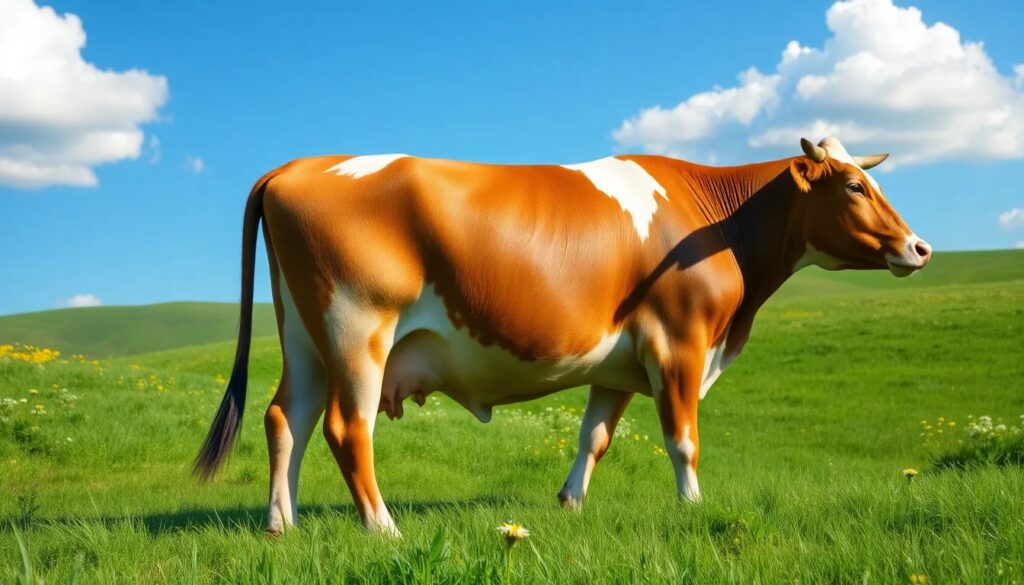
Brisket is a popular cut of meat that has earned a special place in culinary traditions, especially in barbecue culture. Understanding brisket on a cow helps us appreciate its unique qualities and how to prepare it for the best flavor. In this article, we will explore the origins, cooking techniques, and tips for selecting and preparing brisket.
What is brisket?
Brisket is a cut of meat taken from the breast or lower chest of a cow. It is known for its rich flavor and tenderness when cooked properly. This cut is composed of two primary muscles: the flat and the point. The flat is leaner, while the point has more marbling, making it ideal for slow cooking and smoking.
This cut is particularly revered in the United States, especially in Texas barbecue. Here, brisket is often the centerpiece of a feast, celebrated for its smoky flavor and juicy texture. The cooking process is crucial, as it requires low and slow methods to break down the tough collagen fibers, resulting in a tender and flavorful dish.
Where does the brisket come from on a cow?
The brisket is located on the front part of the cow, specifically from the pectoral muscles of the animal. This area is heavily exercised, contributing to its toughness. Due to its consistent use, brisket is a challenging cut to cook but yields incredibly delicious results when prepared correctly.
- The brisket is made up of two main parts: the flat and the point.
- The flat is the leaner part and is often used for slicing.
- The point is fattier and is ideal for shredding or making burned ends.
Its position on the cow means it requires specific cooking techniques, such as braising or smoking, to ensure the best flavor and tenderness. Understanding its location allows cooks to appreciate the effort needed to transform this robust cut into a culinary delight.
What cut of meat is brisket?
Brisket is classified as a cut from the forequarter of the cow. It is typically divided into two main sections: the flat and the point. The flat is often preferred for slicing, while the point is favored for dishes that benefit from its fattiness.
When shopping for brisket, you may encounter different grades, such as choice or prime. The grade reflects the amount of marbling in the meat, which directly affects its flavor and tenderness. Prime brisket is often more expensive but offers superior taste and texture.
- Flat cut: Leaner and easier to slice.
- Point cut: More flavor due to higher fat content.
Both cuts have their unique characteristics and can be used in various recipes, making brisket a versatile choice for many dishes, from traditional Jewish meals to modern barbecue.
How to buy brisket?
When purchasing brisket, it’s essential to know what to look for to ensure you get the best cut. First, determine whether you want a flat or point cut based on your intended cooking method. The flat is ideal for slicing, while the point works better for shredding or smoking.
Consider the following tips when buying brisket:
- Look for a cut with good marbling, as this adds to the flavor.
- Check for a bright red color and avoid any meat that looks brown or discolored.
- Ask your butcher for recommendations based on your cooking plans.
Prices can vary significantly based on the grade and cut, so be prepared to pay a premium for high-quality brisket. Additionally, buying in larger quantities or at local butcher shops may yield better deals.
How to cook brisket perfectly?
Cooking brisket requires patience and the right techniques to ensure it turns out tender and flavorful. The most common methods include smoking, braising, and slow-roasting. Each method has its benefits, and the choice depends on personal preference.
For beginners, here are some tips to achieve a perfect brisket:
- Use a meat thermometer to monitor the internal temperature accurately.
- Cook at low temperatures, ideally between 225°F and 250°F.
- Allow the meat to rest after cooking to enhance tenderness.
Understanding the importance of low and slow cooking will help you master brisket. It’s essential to break down the collagen effectively, which transforms the tough cut into a melt-in-your-mouth experience.
How to store brisket for optimal freshness?
Proper storage is crucial to maintaining the freshness of brisket. If you are not cooking it immediately, wrap it tightly in plastic wrap or butcher paper to prevent exposure to air and moisture. This helps avoid freezer burn and keeps the meat flavorful.
For short-term storage, keep brisket in the refrigerator, where it can last for up to five days. For long-term storage, consider freezing it:
- Label the package with the date to keep track of freshness.
- Use a vacuum sealer for best results, as it removes air and prevents freezer burn.
When you’re ready to cook frozen brisket, it’s best to thaw it in the refrigerator for 24 to 48 hours before cooking. This method ensures even cooking and maintains the quality of the meat.
Tips for seasoning and trimming brisket?
Seasoning brisket is an art that can enhance its natural flavors. A simple rub of salt, pepper, and optional spices can work wonders. Here are some seasoning tips:
- Apply the rub at least a few hours before cooking, or ideally overnight.
- Experiment with different spices such as paprika, garlic powder, or cumin for added flavor.
When it comes to trimming brisket, removing excess fat is important, but leave some for flavor. Aim for a quarter-inch layer of fat to help keep the meat moist during cooking.
Every cook has their own method, so don't hesitate to experiment with different rubs and trims until you find the perfect combination for your taste!
What is brisket on a cow?
Brisket on a cow refers to the cut of meat that comes from the breast area of the animal. It is characterized by its tough muscle fibers, which require particular cooking methods to become tender. The brisket is known for its rich flavor and is a favorite among barbecue enthusiasts.
This cut is essential for various culinary traditions and is often the centerpiece of meals, especially in regions famous for barbecue, like Texas. Understanding its origin helps cooks appreciate the effort involved in preparing this delicious cut.
Are there two briskets on a cow?
Yes, there are two briskets on a cow—one on each side of the body. These two cuts are the flat and the point, which can be separated during butchering. Each cut has distinct characteristics and can be prepared in various ways, making brisket a versatile option in many recipes.
Knowing that there are two briskets can help when selecting meat for specific cooking techniques or dishes. It also allows for more options when serving a crowd.
How much brisket is on one cow?
The amount of brisket on a single cow typically ranges from 10 to 20 pounds, depending on the size and breed of the animal. This cut is only a small portion of the total meat yield, but it is highly prized for its flavor and versatility.
Understanding how much brisket is available can help buyers plan ahead, especially for large gatherings where brisket is the star of the meal. Ensuring a sufficient amount is prepared is essential for satisfying hungry guests!
Why is brisket so expensive?
Brisket is often more expensive than other cuts due to its unique characteristics and the cooking techniques required to prepare it well. The demand for high-quality brisket, especially in barbecue and smoked dishes, has driven prices up.
Additionally, the time and effort needed to cook brisket properly contribute to its cost. It typically requires long cooking times and specific techniques to achieve the desired tenderness and flavor, making it a labor-intensive choice.
Investing in quality brisket can significantly enhance your culinary experience and the enjoyment of the dish.
If you want to know other articles similar to Brisket on a cow: where it comes from and its importance you can visit the category Types of Meat.