
Meat chart temp for safe cooking
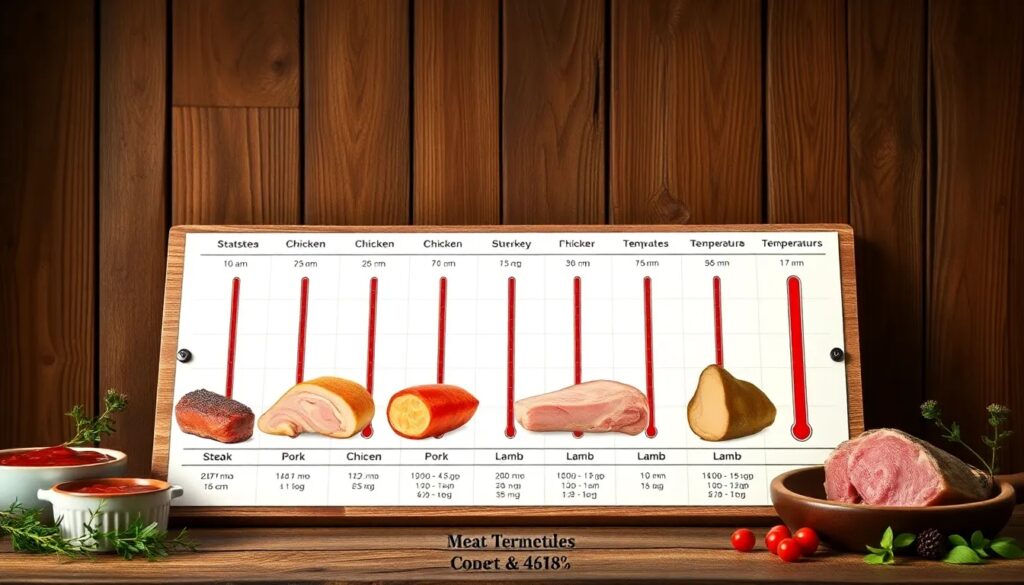
Cooking meat to the appropriate internal temperature is crucial for ensuring Food safety. Understanding the meat chart temp can help you achieve this and prevent foodborne illnesses. In this guide, we will explore essential cooking temperatures, effective thermometer usage, and safe storage practices to keep your meals delicious and safe.
Index
- The only steak temperature chart you’ll need
- What is the importance of cooking meat to safe temperatures?
- How to use a food thermometer effectively?
- What are the recommended cooking temperatures for different meats?
- How to achieve the perfect steak doneness?
- What are the safe storage practices for cooked food?
- How to reheat leftovers safely?
- Frequently asked questions about safe cooking temperatures
The only steak temperature chart you’ll need
When it comes to cooking steak, knowing the right temperatures is essential. Different cuts of steak require different cooking temperatures to reach the desired doneness. Here's a quick reference for steak temperatures:
- Rare: 125°F (52°C)
- Medium rare: 135°F (57°C)
- Medium: 145°F (63°C)
- Medium well: 150°F (66°C)
- Well done: 160°F (71°C)
Using a meat thermometer is the best way to ensure your steak reaches these temperatures. Insert the thermometer into the thickest part of the steak, avoiding bone or fat for an accurate reading.
It’s crucial to note that steaks continue to cook after being removed from the heat due to residual heat. This means you should take the steak off the grill or pan just before it reaches the desired temperature.
 Best cast iron griddle for your kitchen
What is the importance of cooking meat to safe temperatures?
Cooking meat to safe temperatures is vital for preventing foodborne illnesses. Undercooked meat can harbor harmful bacteria, such as Salmonella or E. coli, which can lead to severe health issues.
By adhering to the recommended meat cooking temperatures, you eliminate the risk of these pathogens. For instance, ground meats like beef and pork should reach a minimum of 160°F (71°C) to ensure safety.
Moreover, cooking meat to the right temperature enhances its flavor and texture. Properly cooked meat is more tender and juicy, providing a better dining experience.
How to use a food thermometer effectively?
Using a food thermometer is simple, yet many people overlook this crucial tool. To effectively use a thermometer, follow these steps:
Best cast iron griddle for your kitchen Cleaning flat stove top effectively and safely
- Calibrate the thermometer when needed to ensure accuracy.
- Insert the probe into the thickest part of the meat, avoiding bone or fat.
- Wait for the reading to stabilize before removing the thermometer.
- Clean the thermometer after each use to prevent cross-contamination.
Understanding how to use a thermometer can significantly improve your cooking. It provides confidence that your meat has reached the necessary internal temperatures for safe consumption.
What are the recommended cooking temperatures for different meats?
Each type of meat has its own recommended cooking temperature. Here’s a detailed breakdown:
- Beef: Cook ground beef to 160°F (71°C); steaks can be cooked to lower temperatures, depending on doneness.
- Poultry: All poultry products, including ground chicken and turkey, should reach an internal temperature of 165°F (74°C).
- Pork: Pork must be cooked to at least 145°F (63°C) followed by a three-minute rest for safety.
- Seafood: Fish should be cooked to 145°F (63°C) to eliminate pathogens.
Understanding these temperatures is crucial for food safety and quality. Always refer to a meat chart temperature for quick guidance.
How to achieve the perfect steak doneness?
Achieving the perfect steak doneness can be an art. The key is to monitor the internal temperature closely. The following tips can help:
Best cast iron griddle for your kitchenCleaning flat stove top effectively and safely How to clean flat top stove
- Invest in a quality meat thermometer for accurate readings.
- Remove the steak from heat just before it reaches the desired temperature.
- Allow the steak to rest for several minutes after cooking, as it will continue to cook slightly during this time.
Each person has different preferences for steak doneness, so understanding the temperature for each level will help you cater to your guests effectively.
What are the safe storage practices for cooked food?
Proper storage of cooked food is essential for preventing spoilage and foodborne illnesses. Here are some safe practices:
- Refrigerate leftovers within two hours of cooking.
- Store cooked meats in airtight containers to keep them fresh.
- Label and date containers to monitor how long food has been stored.
- Consume leftovers within three to four days for optimal safety.
By following these practices, you ensure that your cooked food remains safe to eat and retains its flavor.
Best cast iron griddle for your kitchenCleaning flat stove top effectively and safelyHow to clean flat top stove Salt curing: everything you need to know
How to reheat leftovers safely?
Reheating leftovers can be tricky, especially when it comes to meats. Here are some guidelines to ensure safety:
- Always reheat leftovers to an internal temperature of at least 165°F (74°C).
- Use a food thermometer to check the temperature of the meat.
- Stir or rotate food during reheating to ensure even heating.
By following these steps, you can enjoy your leftovers without compromising food safety.
Frequently asked questions about safe cooking temperatures
What are the correct temperatures for all meats?
The correct temperatures for various meats are essential for food safety. Ground meats should reach 160°F (71°C), while whole cuts of beef, pork, and lamb can be safely cooked to 145°F (63°C). Poultry needs to be cooked to a minimum of 165°F (74°C), and seafood should reach 145°F (63°C). Always refer to a reliable meat chart temp for the most accurate guidelines.
Best cast iron griddle for your kitchenCleaning flat stove top effectively and safelyHow to clean flat top stoveSalt curing: everything you need to know Scrub coat for women
Can you eat beef at 145?
Yes, beef can be safely consumed at 145°F (63°C), especially when it is a whole cut and allowed to rest for three minutes after cooking. This resting period allows the juices to redistribute, enhancing flavor and making it more enjoyable to eat.
What is the USDA meat temperature guidelines?
The USDA provides comprehensive temperature guidelines for various types of meat to ensure safety. These guidelines include:
- Ground meats: 160°F (71°C)
- Poultry: 165°F (74°C)
- Whole cuts of beef, pork, lamb: 145°F (63°C) with a three-minute rest
- Seafood: 145°F (63°C)
Following these guidelines is crucial for preventing foodborne illnesses.
Is beef done at 135?
Beef is typically considered medium rare at 135°F (57°C). While this temperature is acceptable, it is crucial to ensure that the meat is safe to eat, particularly when serving to vulnerable populations. For maximum safety, cooking beef to at least 145°F (63°C) is recommended.
Best cast iron griddle for your kitchenCleaning flat stove top effectively and safelyHow to clean flat top stoveSalt curing: everything you need to knowScrub coat for women The griddle explained
If you want to know other articles similar to Meat chart temp for safe cooking you can visit the category Meat Preparation Techniques.
Best knife for cutting meat: top picks and reviews

Core temp pork: safe cooking temperatures explained

Lems meat grinder guide
Deja una respuesta

Gestionar consentimiento
Funcional Siempre activo
El almacenamiento o acceso técnico es estrictamente necesario para el propósito legítimo de permitir el uso de un servicio específico explícitamente solicitado por el abonado o usuario, o con el único propósito de llevar a cabo la transmisión de una comunicación a través de una red de comunicaciones electrónicas.
Preferencias
El almacenamiento o acceso técnico es necesario para la finalidad legítima de almacenar preferencias no solicitadas por el abonado o usuario.
Estadísticas
El almacenamiento o acceso técnico que es utilizado exclusivamente con fines estadísticos. El almacenamiento o acceso técnico que se utiliza exclusivamente con fines estadísticos anónimos. Sin un requerimiento, el cumplimiento voluntario por parte de tu proveedor de servicios de Internet, o los registros adicionales de un tercero, la información almacenada o recuperada sólo para este propósito no se puede utilizar para identificarte.
Marketing
El almacenamiento o acceso técnico es necesario para crear perfiles de usuario para enviar publicidad, o para rastrear al usuario en una web o en varias web con fines de marketing similares.
More embers