
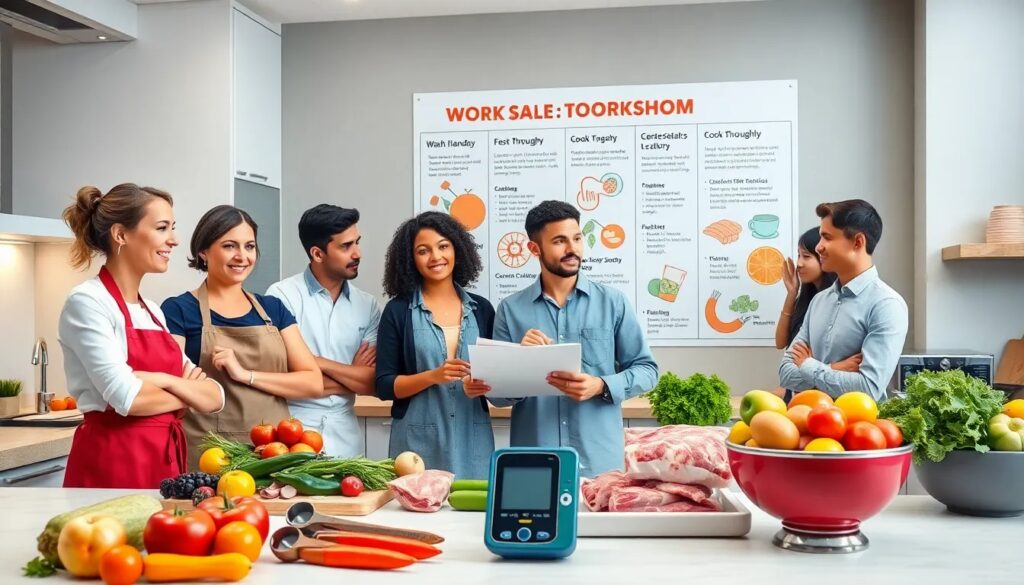

Food safety is a fundamental aspect of public health, especially in the United States, where foodborne illnesses affect millions each year. Effective food safety and regulations play a crucial role in protecting consumers from unsafe food practices and ensuring the overall integrity of the food supply chain.
Understanding the basic principles of food safety and the regulatory frameworks that govern them is essential for both consumers and food producers alike. This article will explore the key elements of food safety, the role of regulatory bodies, and practical tips for ensuring food safety at home.




What are the key principles of food safety?
Food safety is built upon several key principles that help minimize the risk of foodborne illnesses. These principles are foundational for both home cooks and food industry professionals.
- Clean: Always wash hands, surfaces, and produce to prevent cross-contamination.
- Separate: Keep raw and cooked foods separate to avoid cross-contamination.
- Cook: Cook food to the appropriate temperatures to kill harmful bacteria.
- Chill: Refrigerate food promptly to slow the growth of harmful bacteria.
- Check: Regularly check expiration dates and food quality.
By adhering to these principles, individuals can significantly reduce the risks associated with foodborne illnesses. Moreover, understanding these basics is crucial for anyone involved in the food supply chain, from farms to forks.
How does the FDA regulate food safety?
The Food and Drug Administration (FDA) is a critical player in regulating food safety in the United States. It oversees the safety of food products, ensuring they meet specific safety standards.
The FDA's regulations cover a wide range of food products, including seafood, dairy, fruits, and vegetables. The agency employs a combination of inspections, monitoring, and compliance checks to enforce these regulations effectively.
Additionally, the FDA produces guidelines and resources to help food businesses comply with safety standards. These resources include the FDA food safety guidelines PDF, which serves as a comprehensive reference for industry professionals.
The agency also collaborates with other organizations, such as the Centers for Disease Control and Prevention (CDC) and the United States Department of Agriculture (USDA), to enhance food safety measures across the board.
What are the most common food safety regulations?
Food safety regulations in the U.S. encompass a wide range of standards designed to protect public health. Some of the most common regulations include:
- HACCP: Hazard Analysis and Critical Control Points, a preventive approach to food safety.
- Nutrition Labeling: Regulations requiring accurate labeling of food products to inform consumers.
- Sanitation Standards: Guidelines for maintaining cleanliness in food production and handling areas.
- Pesticide Residue Limits: Regulations that limit the amount of pesticide residue allowed on food products.
- Food Additive Regulations: Standards governing the use of additives in food products to ensure safety.
These regulations are enforced to ensure that food products are safe for consumption and that producers adhere to high standards of hygiene and quality.
What is the Food Safety Modernization Act?
The Food Safety Modernization Act (FSMA) represents a significant shift in how food safety is managed in the United States. Enacted in 2011, FSMA emphasizes preventing food safety issues rather than merely responding to them after they occur.
FSMA includes several key provisions, such as:
- Preventive Controls: Requires food facilities to implement preventive measures to minimize risks.
- Risk-Based Inspections: Focuses inspections on higher-risk facilities to ensure compliance.
- Enhanced Partnerships: Encourages collaboration between the FDA and state/local agencies for better enforcement.
- Food Import Regulations: Strengthens oversight of imported foods to ensure they meet U.S. safety standards.
The act aims to transform the food safety culture by shifting the focus to prevention, thus reducing the incidence of foodborne illnesses significantly.
How can consumers ensure food safety at home?
Consumers play a vital role in ensuring food safety in their homes. Here are some practical tips to help you maintain food safety:
- Wash Hands Regularly: Clean hands before and after handling food.
- Store Food Properly: Refrigerate or freeze perishable items promptly.
- Use a Food Thermometer: Ensure meats are cooked to safe temperatures.
- Avoid Cross-Contamination: Use separate cutting boards for raw meats and vegetables.
- Educate Yourself: Stay informed about food safety practices and regulations.
By implementing these measures, consumers can significantly reduce the risk of foodborne illnesses within their households.
What are the consequences of foodborne illnesses?
Foodborne illnesses can have severe consequences on public health. In the United States, approximately 48 million people experience foodborne illnesses each year, leading to 128,000 hospitalizations and about 3,000 deaths.
The impact of these illnesses extends beyond individual health concerns, affecting communities and healthcare systems. Some potential consequences include:
- Healthcare Costs: Increased medical expenses associated with treating foodborne illnesses.
- Loss of Productivity: Individuals may miss work due to illness, affecting economic output.
- Food Industry Impact: Food recalls and outbreaks can damage consumer trust and lead to financial losses for businesses.
Awareness and adherence to food safety regulations play a crucial role in preventing these adverse outcomes.
What are the best practices for safe food handling?
Para profundizar en este tema crucial, a continuación te presentamos un video que explora la seguridad alimentaria y las regulaciones que la rigen.
Introduction to Food Safety and the Law | Module 01

Safe food handling practices are essential for preventing foodborne illnesses. Here are some recommended best practices:
- Thaw Food Safely: Never thaw food at room temperature; use the fridge or microwave instead.
- Cook Thoroughly: Use a food thermometer to ensure meats are cooked to a safe internal temperature.
- Refrigerate Promptly: Store leftovers in the fridge within two hours of Cooking.
- Check Food Freshness: Regularly inspect foods for spoilage and dispose of any expired items.
- Educate Others: Share knowledge about food safety with friends and family.
Implementing these best practices can create a safer food environment for everyone involved.
Related questions about food safety regulations
What are the 5 basic food safety rules?
The five basic food safety rules focus on maintaining hygiene and preventing cross-contamination. They emphasize the importance of cleaning hands and surfaces, separating raw and cooked foods, cooking to safe temperatures, chilling foods promptly, and regularly checking food freshness.
What is a food safety regulation?
A food safety regulation refers to the set of standards and guidelines established by governmental agencies to ensure that food products are safe for consumption. These regulations cover various aspects of food production, handling, and distribution, aiming to protect public health.
What are the 7 principles of food safety?
The seven principles of food safety include: conducting a hazard analysis, determining critical control points, establishing critical limits, implementing monitoring procedures, taking corrective actions, verifying the system, and keeping records. These principles form the basis of effective food safety management systems.
What are the 4 basic rules of food safety?
The four basic rules of food safety are: keeping food clean, separating raw and cooked foods, cooking food to safe temperatures, and chilling food promptly. These rules are essential for preventing foodborne illnesses and ensuring consumer safety.