
Smoking point of butter explained
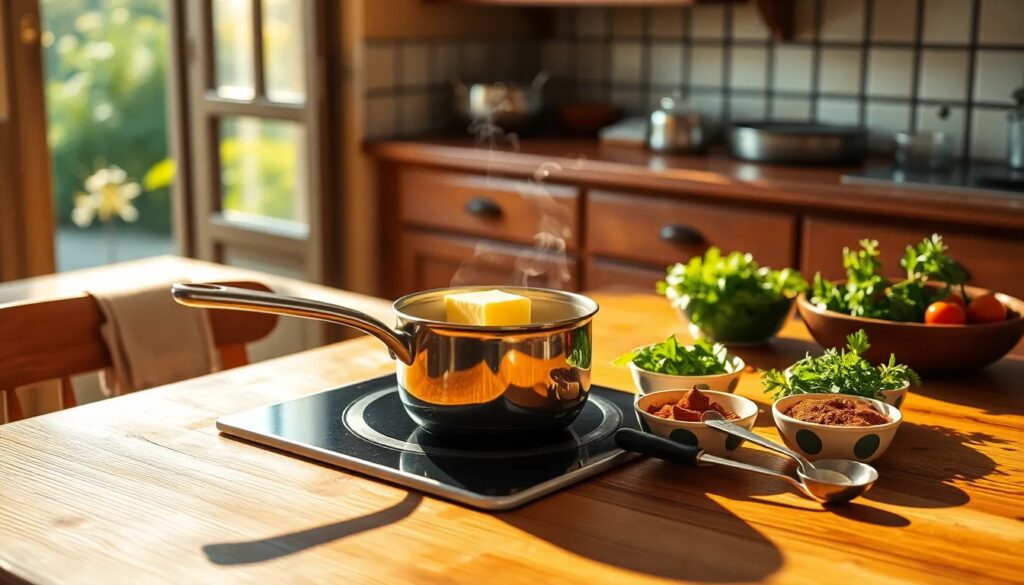
The smoking point of butter is a crucial aspect to consider when Cooking. Understanding this temperature can make a significant difference in the flavor and safety of your dishes. In this article, we will explore what the smoking point of butter is, how it compares to other cooking oils, and best practices for utilizing butter effectively in the kitchen.
Index
- What is the smoke point of butter?
- How does the smoke point of butter compare to other fats?
- What factors affect the smoke point of cooking oils?
- When should you use butter based on its smoke point?
- What is the smoke point of olive oil and how does it compare?
- What are the smoke points of various cooking oils?
- Related questions about cooking oils and butter
What is the smoke point of butter?
The smoking point of butter is typically around 350°F (175°C). This is the temperature at which butter begins to break down and produce visible smoke. When butter reaches this point, it not only affects the flavor of your food but can also release harmful compounds.
Butter contains milk solids, which contribute to its lower smoking point compared to other fats. These solids burn at a lower temperature than pure fats, making butter less ideal for high-heat cooking methods. For this reason, many cooks choose to clarify butter before using it for frying or sautéing. Clarified butter, or ghee, has a higher smoke point of around 450°F (232°C) because the milk solids have been removed.
Using butter at its appropriate smoking point can enhance the taste of dishes, adding richness and depth. However, overheating it can lead to burnt flavors and possibly harmful substances. Understanding the smoking point is essential for achieving the best results in your cooking.
 The best vegetable brush for your kitchen
How does the smoke point of butter compare to other fats?
When comparing the smoking point of butter to other fats, it becomes clear that butter has a relatively low threshold. For instance, oils such as avocado oil and refined canola oil have much higher smoke points, typically around 520°F (271°C) and 400°F (204°C), respectively. This makes them better suited for high-heat applications.
- Butter: ~350°F (175°C)
- Olive oil: ~375°F (190°C) for extra virgin; ~465°F (240°C) for refined
- Avocado oil: ~520°F (271°C)
- Canola oil: ~400°F (204°C)
This comparison illustrates that while butter adds unique flavors to dishes, it is not always the best choice for cooking at high temperatures. Utilizing oils with higher smoke points allows for a wider range of cooking techniques without the risk of burning the fat.
What factors affect the smoke point of cooking oils?
Several factors can influence the smoke point of cooking oils, including:
The best vegetable brush for your kitchen Washing cast iron cookware
1. Refinement: Refined oils generally have a higher smoke point than unrefined ones. This is due to the removal of impurities and free fatty acids that lower the smoking point.
2. Fatty Acid Composition: Oils with a higher proportion of saturated fats tend to have higher smoke points. Conversely, oils rich in polyunsaturated fats are more prone to oxidation and have lower smoke points.
3. Presence of Impurities: The presence of water, food particles, or other impurities can lower the smoke point. For instance, using butter without clarifying it may lead to burning the milk solids before the butter itself reaches its smoking point.
4. Storage Conditions: Exposure to light, heat, and air can degrade oils and lower their smoking points over time.
Understanding these factors can help you choose the right oils for cooking methods that require high temperatures, ensuring both flavor and safety in your culinary practices.
When should you use butter based on its smoke point?
Utilizing butter effectively requires understanding when it's best to use it based on its smoking point. Here are some practical applications:
- Low-heat cooking: Butter is excellent for low-heat cooking methods such as sautéing vegetables or making sauces, where its flavor can shine without the risk of burning.
- Baking: In baking, butter adds moisture and richness to cookies, cakes, and pastries. The low smoking point is not an issue since baking temperatures typically do not exceed its smoke point significantly.
- Finishing dishes: Use butter as a finishing touch for dishes like pasta or vegetables. Adding a pat of butter at the end of cooking allows it to melt and impart a rich flavor without reaching its smoking point.
The best vegetable brush for your kitchenWashing cast iron cookware What is a.scrub?
In contrast, for high-heat cooking methods like frying or searing, consider using clarified butter or other oils with higher smoke points.
What is the smoke point of olive oil and how does it compare?
The smoke point of olive oil varies based on its type. Extra virgin olive oil has a smoke point around 375°F (190°C), while refined olive oil can reach approximately 465°F (240°C). This difference is significant when deciding what to use for various cooking methods.
Comparing olive oil to butter, we see that olive oil can withstand higher temperatures, making it a better choice for frying or sautéing. Additionally, olive oil is packed with antioxidants and healthy fats, making it a nutritious option for cooking.
When choosing between butter and olive oil, consider the flavor profile you want to achieve. Olive oil brings a distinctive taste, whereas butter adds a rich creaminess that can enhance certain dishes.
The best vegetable brush for your kitchenWashing cast iron cookwareWhat is a.scrub? Best oil for healthy cooking
What are the smoke points of various cooking oils?
Understanding the smoke points of different cooking oils is crucial for effective cooking. Here’s a quick overview of various common cooking oils and their smoke points:
- Butter: ~350°F (175°C)
- Olive oil (extra virgin): ~375°F (190°C)
- Olive oil (refined): ~465°F (240°C)
- Canola oil: ~400°F (204°C)
- Avocado oil: ~520°F (271°C)
- Coconut oil: ~350°F (175°C) for unrefined; ~450°F (232°C) for refined
These values highlight the importance of selecting the appropriate oil based on the cooking method. For instance, if you're planning to fry at high temperatures, avocado oil is an excellent choice due to its high smoke point.
Additionally, understanding the differences in flavors, health benefits, and culinary uses of each oil can help you make more informed choices in the kitchen.
What butter has the highest smoke point?
The butter with the highest smoke point is typically clarified butter or ghee, which can reach around 450°F (232°C). This is because the milk solids that lower the smoking point of regular butter have been removed, making it suitable for high-heat cooking without burning.
The best vegetable brush for your kitchenWashing cast iron cookwareWhat is a.scrub?Best oil for healthy cooking Best way to clean a cast iron skillet
What is the smoking temperature of butter?
The smoking temperature of regular butter is approximately 350°F (175°C). At this temperature, butter starts to produce smoke and can develop an unpleasant flavor if overheated. For better results, consider using clarified butter or ghee for high-heat applications.
Which has a higher smoke point, olive oil or butter?
Olive oil generally has a higher smoke point compared to butter. Extra virgin olive oil has a smoke point of about 375°F (190°C), while refined olive oil can go up to 465°F (240°C). In contrast, butter's smoke point is around 350°F (175°C), making olive oil a better option for higher temperature cooking.
Which fat has the highest smoke point?
Among common cooking fats, avocado oil has the highest smoke point, reaching around 520°F (271°C). This makes it ideal for high-heat cooking methods. Refined oils like canola and grapeseed oil also have high smoke points, making them versatile options for various culinary techniques.
The best vegetable brush for your kitchenWashing cast iron cookwareWhat is a.scrub?Best oil for healthy cookingBest way to clean a cast iron skillet cast iron skillet grill: the ultimate guide
If you want to know other articles similar to Smoking point of butter explained you can visit the category Cooking Equipment for Meat.
Cuchillo fileteador: guía completa para elegir el mejor

Planchas cocina gas: la mejor opción para tu cocina

Plancha asar eléctrica: la mejor opción para tus comidas
Deja una respuesta

Gestionar consentimiento
Funcional Siempre activo
El almacenamiento o acceso técnico es estrictamente necesario para el propósito legítimo de permitir el uso de un servicio específico explícitamente solicitado por el abonado o usuario, o con el único propósito de llevar a cabo la transmisión de una comunicación a través de una red de comunicaciones electrónicas.
Preferencias
El almacenamiento o acceso técnico es necesario para la finalidad legítima de almacenar preferencias no solicitadas por el abonado o usuario.
Estadísticas
El almacenamiento o acceso técnico que es utilizado exclusivamente con fines estadísticos. El almacenamiento o acceso técnico que se utiliza exclusivamente con fines estadísticos anónimos. Sin un requerimiento, el cumplimiento voluntario por parte de tu proveedor de servicios de Internet, o los registros adicionales de un tercero, la información almacenada o recuperada sólo para este propósito no se puede utilizar para identificarte.
Marketing
El almacenamiento o acceso técnico es necesario para crear perfiles de usuario para enviar publicidad, o para rastrear al usuario en una web o en varias web con fines de marketing similares.
More embers