
Oils with high smoke point: a comprehensive guide
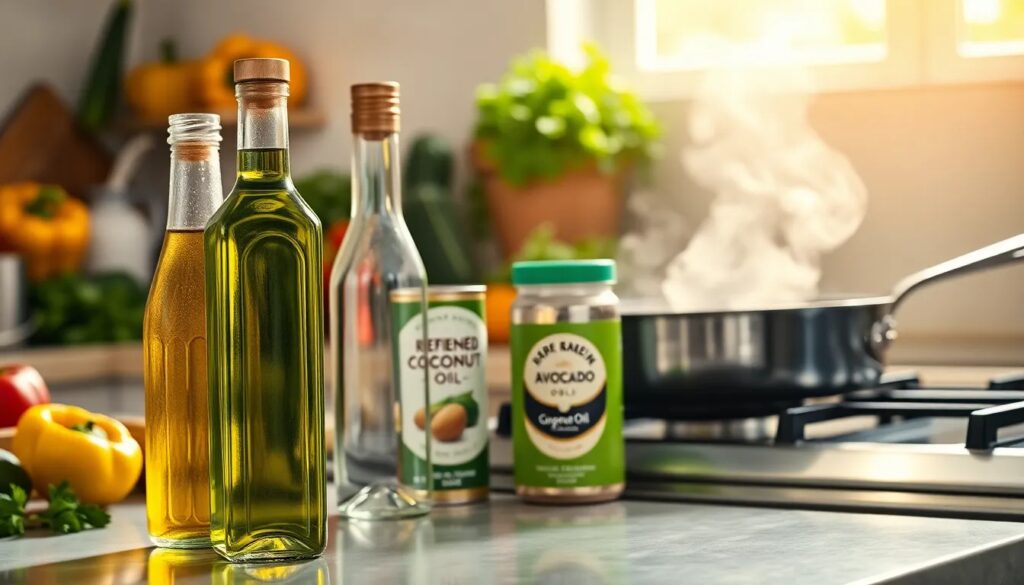
Understanding the concept of smoke point in Cooking oils is crucial for achieving optimal cooking results. The smoke point is the temperature at which an oil begins to break down and produce smoke, affecting both safety and flavor. This article provides an in-depth exploration of oils with high smoke points and their significance in high-heat cooking.
Choosing the right oil for cooking can drastically impact the outcome of your dishes. This guide will help you identify the best oils with high smoke point, their properties, and how to select the most suitable oil for your culinary needs.
Index
- What is the smoke point of cooking oils?
- Why are oils with high smoke point important?
- How to choose the best cooking oil for high-heat cooking?
- What are the smoke points of popular cooking oils?
- Are refined oils better for high-heat cooking?
- How does the free fatty acid content affect smoke point?
- What are the best oils for different cooking methods?
- Related questions about cooking oils and their smoke points
What is the smoke point of cooking oils?
The smoke point of cooking oils refers to the temperature at which the oil begins to smoke and break down. At this temperature, the oil undergoes chemical changes that can lead to the formation of harmful compounds. Oils are composed of triglycerides and varying levels of fatty acids, which influence their thermal stability.
Typically, oils with a higher percentage of saturated fats have higher smoke points compared to those rich in unsaturated fats. For example, olive oil has a smoke point of around 410°F (210°C), while refined oils such as avocado oil can reach up to 520°F (270°C).
 Cast iron pan how to clean
Understanding the smoke point is essential because cooking with oil beyond its smoke point can lead to unpleasant flavors and even health risks. Therefore, it's crucial to select oils that suit your cooking methods.
Why are oils with high smoke point important?
Using oils with high smoke points is vital for several reasons. First, they provide better flavor retention during cooking. When oils smoke, they release compounds that can create undesirable tastes in your food.
Additionally, high smoke point oils are safer for high-heat cooking methods like frying and sautéing. By using oils that remain stable at elevated temperatures, you reduce the risk of harmful smoke emissions and potential kitchen hazards.
- Improved flavor: Using high smoke point oils helps maintain the integrity of your dish’s flavor.
- Safety: Reduces the risk of smoke-related incidents in the kitchen.
- Versatility: Suitable for various cooking methods, including frying, grilling, and baking.
Ultimately, selecting oils with high smoke points enhances your cooking experience and ensures better quality in your meals.
Cast iron pan how to clean Best electric griddle for cooking at home
How to choose the best cooking oil for high-heat cooking?
When selecting oils for high-heat cooking, consider the oil's smoke point, flavor profile, and nutritional benefits. First, check the smoke point to ensure it aligns with your cooking temperature.
Next, think about the flavor you want to impart to your dishes. Neutral oils like canola or grapeseed oil are ideal for recipes where the oil's flavor shouldn't dominate, while oils like avocado can enhance the taste of certain dishes.
- Identify the cooking method: Determine if you will be frying, sautéing, or baking.
- Check the smoke point: Aim for oils that can withstand your cooking temperatures.
- Consider flavor: Choose oils that complement your dish without overpowering it.
Also, consider the health aspects of the oils you choose. Some oils are rich in omega-3 and omega-6 fatty acids, while others offer vitamins and antioxidants. Balancing flavor, smoke point, and nutritional value is key to choosing the best cooking oil.
What are the smoke points of popular cooking oils?
Here is a comparison of the smoke points of some widely used cooking oils:
Cast iron pan how to cleanBest electric griddle for cooking at home High smoke point cooking oil: a complete guide
| Oil Type | Smoke Point (°F) |
|---|---|
| Avocado Oil | 520°F |
| Peanut Oil | 450°F |
| Refined Olive Oil | 465°F |
| Coconut Oil | 350°F (unrefined), 450°F (refined) |
As you can see, oils like avocado and peanut are excellent options for high-heat cooking due to their elevated smoke points. In contrast, coconut oil, while versatile, has a lower smoke point in its unrefined form, making it less suitable for high-heat methods.
Always consider whether you are using refined or unrefined versions of the oils, as this can significantly affect the smoke point.
Are refined oils better for high-heat cooking?
Refined oils generally have higher smoke points compared to their unrefined counterparts. The refining process removes impurities and free fatty acids, which can lower the smoke point. For instance, refined avocado oil can withstand higher temperatures than unrefined versions.
While refined oils are suitable for high-heat cooking, they may lack some nutrients and flavors found in unrefined oils. Thus, it's essential to balance the benefits of using high smoke point oils with the need for taste and nutritional value.
Cast iron pan how to cleanBest electric griddle for cooking at homeHigh smoke point cooking oil: a complete guide How do you season a cast iron frying pan?
- Refined oils: Better for high-heat cooking due to higher smoke points.
- Unrefined oils: Retain nutrients and flavors but have lower smoke points.
- Choose based on cooking method and desired health benefits.
Ultimately, the decision between refined and unrefined oils will depend on the cooking technique and the flavors you wish to achieve in your dishes.
How does the free fatty acid content affect smoke point?
The content of free fatty acids (FFA) in oils significantly impacts their smoke points. Higher levels of FFAs can lead to a lower smoke point, making the oil more prone to breaking down at lower temperatures.
During the refining process, FFAs are typically reduced, resulting in a more stable oil that can withstand higher temperatures without producing smoke. This is why refined oils are often recommended for high-heat cooking.
Monitoring the FFA content in cooking oils is essential for ensuring optimal cooking performance and flavor preservation. Oils with low FFA levels are generally preferred for high-heat applications.
Cast iron pan how to cleanBest electric griddle for cooking at homeHigh smoke point cooking oil: a complete guideHow do you season a cast iron frying pan? How to re season a cast iron skillet
What are the best oils for different cooking methods?
Different cooking methods call for different types of oils. Here's a breakdown of the best oils suited for various techniques:
- Frying: Peanut oil and avocado oil are ideal for frying due to their high smoke points.
- Sautéing: Refined olive oil and grapeseed oil work well for sautéing vegetables.
- Baking: Canola oil is a versatile choice for baking as it offers a neutral flavor.
By selecting the appropriate oil for each cooking method, you can enhance the flavors and textures of your dishes while ensuring safety and quality.
Which oil has the highest smoke point?
Among commonly used cooking oils, avocado oil boasts one of the highest smoke points, reaching up to 520°F (270°C). This makes it an excellent choice for high-heat cooking methods like frying and sautéing.
Other oils with high smoke points include refined peanut oil and refined olive oil, both of which can withstand significant heat without breaking down.
Cast iron pan how to cleanBest electric griddle for cooking at homeHigh smoke point cooking oil: a complete guideHow do you season a cast iron frying pan?How to re season a cast iron skillet How to treat a cast iron skillet
Which oil is best for high heat cooking?
The best oil for high-heat cooking is typically avocado oil due to its impressive smoke point and stability. Refined peanut oil is another great option, making it popular in Asian cuisines for frying.
Additionally, oils like canola and grapeseed oil offer higher smoke points, making them suitable for various high-heat applications.
Which cooking oil has the highest smoking temperature?
Refined avocado oil holds the record for the highest smoking temperature among cooking oils, reaching up to 520°F. This high threshold allows it to maintain quality and flavor even under extreme cooking conditions.
Other oils, like refined peanut oil, also have high smoking temperatures, making them effective choices for frying and grilling.
Cast iron pan how to cleanBest electric griddle for cooking at homeHigh smoke point cooking oil: a complete guideHow do you season a cast iron frying pan?How to re season a cast iron skilletHow to treat a cast iron skillet Peanut oil: benefits and uses
What is the best high smoke point oil for seasoning?
The best high smoke point oil for seasoning cast iron cookware or enhancing flavors in dishes is grapeseed oil. Its high smoke point (around 420°F) allows it to be used effectively without leaving a strong flavor.
Additionally, refined oils like avocado and peanut oil can also be used for seasoning due to their high smoke points and light flavors.
If you want to know other articles similar to Oils with high smoke point: a comprehensive guide you can visit the category Cooking Equipment for Meat.
Cuchillo fileteador: guía completa para elegir el mejor

Planchas cocina gas: la mejor opción para tu cocina

Plancha asar eléctrica: la mejor opción para tus comidas
Deja una respuesta

Gestionar consentimiento
Funcional Siempre activo
El almacenamiento o acceso técnico es estrictamente necesario para el propósito legítimo de permitir el uso de un servicio específico explícitamente solicitado por el abonado o usuario, o con el único propósito de llevar a cabo la transmisión de una comunicación a través de una red de comunicaciones electrónicas.
Preferencias
El almacenamiento o acceso técnico es necesario para la finalidad legítima de almacenar preferencias no solicitadas por el abonado o usuario.
Estadísticas
El almacenamiento o acceso técnico que es utilizado exclusivamente con fines estadísticos. El almacenamiento o acceso técnico que se utiliza exclusivamente con fines estadísticos anónimos. Sin un requerimiento, el cumplimiento voluntario por parte de tu proveedor de servicios de Internet, o los registros adicionales de un tercero, la información almacenada o recuperada sólo para este propósito no se puede utilizar para identificarte.
Marketing
El almacenamiento o acceso técnico es necesario para crear perfiles de usuario para enviar publicidad, o para rastrear al usuario en una web o en varias web con fines de marketing similares.
More embers