
How to clean rusty tool
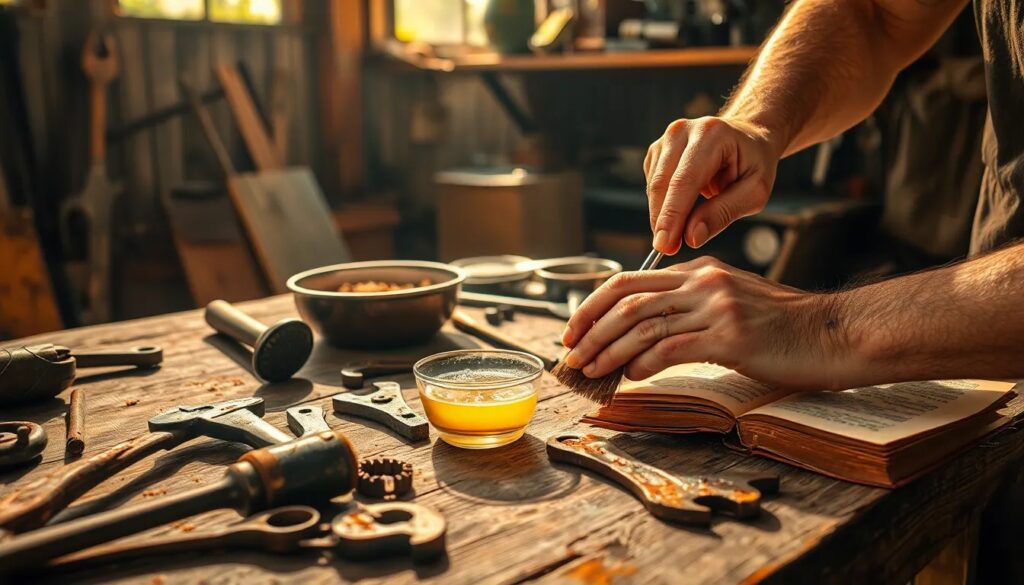
Knowing how to clean rusty tools can save you money and prolong the life of your equipment. Rust can build up on tools over time, leading to damage and decreased performance if not handled properly. Fortunately, there are effective methods using simple, household items that can help restore your tools without the need for harsh chemicals.
This article will provide you with various techniques and tips on how to clean rusty tools, ensuring they remain in top shape for your next project.
Index
How to remove rust from tools
Rust is primarily caused by the oxidation of metal when it comes into contact with moisture and air. To effectively remove rust from your tools, you can use several methods:
- Soaking in vinegar solution
- Sanding with steel wool
- Using lemon juice and salt
Among these methods, soaking tools in a vinegar solution is highly effective. The acetic acid in vinegar breaks down rust, making it easier to scrub off. If you have heavily rusted tools, letting them soak for several hours or even overnight can yield significant results.
 How to get grease stains out
Best way to clean up rusty tools?
The best way to clean up rusty tools involves a combination of soaking and scrubbing. Here’s a step-by-step guide to ensure you achieve the best results:
- Prepare a solution of equal parts vinegar and water.
- Submerge the rusty tools in the solution for at least 12 hours.
- Remove the tools and scrub off the loosened rust with steel wool or a wire brush.
- Rinse thoroughly and dry completely to prevent further rusting.
This method is effective and keeps your tools free from harmful chemicals. Additionally, using steel wool after soaking helps remove any remaining rust particles effectively.
How to clean rusty tool at home?
Cleaning rusty tools at home can be simple and cost-effective. You don’t always need specialized products. Here are some household items that are particularly useful:
- Vinegar
- Baking soda
- Lemon juice
- Salt
By mixing baking soda with water to form a paste, you can also create an effective abrasive cleaner. Apply the paste to the rusted area, let it sit for a while, and then scrub with a brush.
How to get grease stains out Towel method for a stronger jawline
Another popular method is using lemon juice and salt. The acid in lemon juice combined with salt can dissolve rust while also imparting a pleasant scent!
How to remove rust from tools fast?
If you need to remove rust quickly, consider the following tips:
- Use a commercial rust remover, if available.
- Abrade the surface with sandpaper or steel wool.
- Utilize a vinegar soak for a few hours, as mentioned earlier.
For particularly stubborn rust, you might want to repeat the soaking process or combine methods, like scrubbing after soaking in vinegar. This can expedite the rust removal process significantly.
How to clean rusty tool with vinegar?
Using vinegar is one of the most effective methods for cleaning rust. Here’s how to do it:
How to get grease stains outTowel method for a stronger jawline Best kitchen towels: top picks and reviews
- Fill a container with enough vinegar to cover the rusted tool.
- Let the tool soak for 12 hours or more, depending on the level of rust.
- After soaking, scrub the tool with a wire brush or steel wool.
- Rinse the tool with water and dry it thoroughly.
- To neutralize any remaining acid, soak the tool in a baking soda solution.
This method not only cleans the rust but also helps in preventing future rust formation, making it a popular choice among DIY enthusiasts.
Best thing to soak rusty tools in?
The best things to soak rusty tools in include:
- Vinegar and water solution
- Soapy water
- Hydrogen peroxide
Vinegar is often recommended due to its acidic nature, which effectively breaks down rust without damaging the underlying metal. For a more aggressive approach, hydrogen peroxide can also be effective but should be used with caution.
Rust prevention methods for tools?
Preventing rust from forming on your tools is crucial for maintaining their performance. Here are some effective prevention methods:
How to get grease stains outTowel method for a stronger jawlineBest kitchen towels: top picks and reviews Brands of olive oil you can trust
- Always dry tools after use to eliminate moisture.
- Store tools in a dry place with low humidity.
- Apply protective oils regularly to moving parts.
- Use rust-resistant coatings if applicable.
Additionally, consider keeping silica gel packets in your tool storage area to absorb any moisture and prevent rust from forming.
Frequently asked questions about cleaning rusty tools
Will WD-40 take rust off tools?
Yes, WD-40 can help remove rust from tools. It works as a lubricant and also penetrates rust, making it easier to scrub away. However, for heavily rusted tools, it may be more effective to combine its use with other cleaning methods.
Will vinegar damage rusty tools?
Vinegar is generally safe for cleaning rusty tools. It is a mild acid that helps dissolve rust without damaging the metal. However, prolonged exposure may lead to some surface discoloration, so it is essential to rinse and dry the tools thoroughly afterward.
Will baking soda remove rust from tools?
Baking soda can effectively remove rust when mixed with water to form a paste. Apply it to the rusted areas, let it sit for a while, and scrub it off. It works best on light rust and can be a great addition to your cleaning arsenal.
How to get grease stains outTowel method for a stronger jawlineBest kitchen towels: top picks and reviewsBrands of olive oil you can trust Can steel rust?
Can hydrogen peroxide clean rusty tools?
Yes, hydrogen peroxide can clean rusty tools. It is a stronger oxidizer and can break down rust, but it should be used cautiously. After cleaning, it's essential to neutralize its effects with baking soda or water to protect the tool's surface from damage.
Understanding how to clean rusty tools can enhance your tool maintenance routine, ensuring they remain functional and effective for years to come. Proper care and cleaning methods will help you appreciate your tools and preserve them as valuable investments.
If you want to know other articles similar to How to clean rusty tool you can visit the category Cooking Equipment for Meat.
Cuchillo fileteador: guía completa para elegir el mejor

Planchas cocina gas: la mejor opción para tu cocina

Plancha asar eléctrica: la mejor opción para tus comidas
Deja una respuesta

Gestionar consentimiento
Funcional Siempre activo
El almacenamiento o acceso técnico es estrictamente necesario para el propósito legítimo de permitir el uso de un servicio específico explícitamente solicitado por el abonado o usuario, o con el único propósito de llevar a cabo la transmisión de una comunicación a través de una red de comunicaciones electrónicas.
Preferencias
El almacenamiento o acceso técnico es necesario para la finalidad legítima de almacenar preferencias no solicitadas por el abonado o usuario.
Estadísticas
El almacenamiento o acceso técnico que es utilizado exclusivamente con fines estadísticos. El almacenamiento o acceso técnico que se utiliza exclusivamente con fines estadísticos anónimos. Sin un requerimiento, el cumplimiento voluntario por parte de tu proveedor de servicios de Internet, o los registros adicionales de un tercero, la información almacenada o recuperada sólo para este propósito no se puede utilizar para identificarte.
Marketing
El almacenamiento o acceso técnico es necesario para crear perfiles de usuario para enviar publicidad, o para rastrear al usuario en una web o en varias web con fines de marketing similares.
More embers