
Does steel rust?
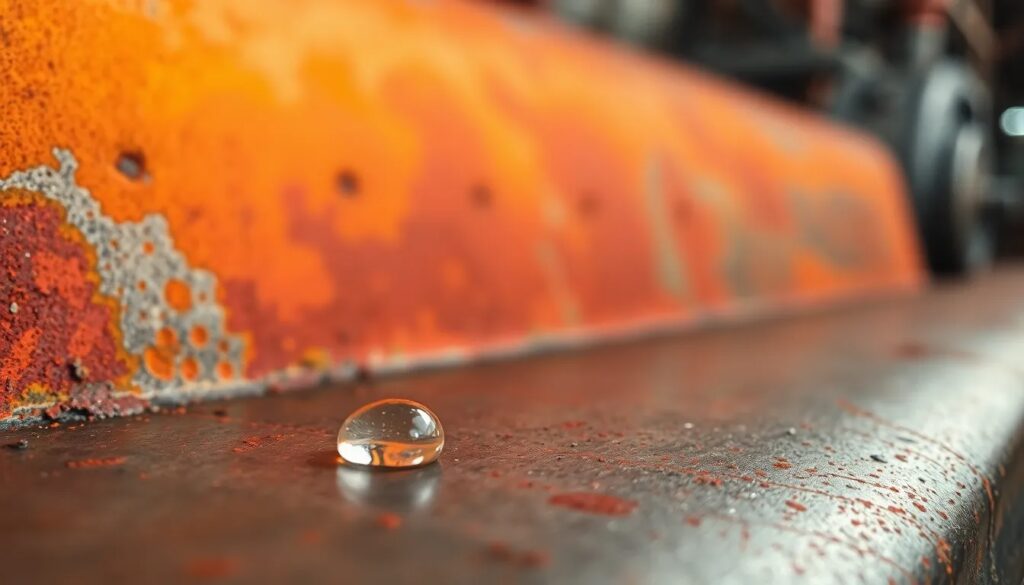
Steel, primarily composed of iron, is a widely used metal known for its strength and durability. However, many people wonder: does steel rust? The answer lies in understanding the conditions under which steel can corrode and form rust.
Rusting is a natural process that occurs when steel is exposed to moisture and oxygen. In this article, we will explore various aspects of rust and corrosion, including how rust forms, methods for prevention, and which metals resist corrosion.
Index
- What metals are corrosion resistant?
- How does rust form in steel?
- What factors accelerate rusting in steel?
- Does stainless steel rust?
- What are the differences between rust and corrosion?
- How can you prevent steel from rusting?
- Which metals don’t rust?
- Frequently asked questions about rust and corrosion
What metals are corrosion resistant?
When discussing corrosion resistance, it’s essential to highlight metals that do not succumb to rusting as easily as steel. Some of the most corrosion-resistant metals include:
- Aluminum: Forms a protective oxide layer that prevents further oxidation.
- Stainless Steel: Contains chromium, which provides a protective layer against rust.
- Bronze: An alloy of copper and tin, known for its excellent resistance to corrosion.
- Brass: A combination of copper and zinc, offering good resistance to corrosion.
- Gold and Platinum: Precious metals that do not corrode or rust under normal conditions.
These metals are used in various applications where exposure to moisture or chemicals is frequent. Understanding their properties is crucial for industries that prioritize longevity and low maintenance.
 Extra virgin olive oil smoke point explained
In contrast, steel requires protective measures in environments where moisture and oxygen are present, as it is particularly vulnerable to rust.
How does rust form in steel?
Rust, scientifically known as iron oxide, forms when steel is exposed to moisture and oxygen for extended periods. The process of rusting involves several stages:
- Oxidation: When iron in steel reacts with oxygen, it forms iron oxide.
- Electrochemical Reactions: The presence of water accelerates the reaction, leading to the formation of rust.
- Formation of Rust: Rust manifests as a reddish-brown flaky substance that can deteriorate the metal over time.
Factors such as saltwater or acidic environments can significantly accelerate rust formation. Understanding these processes can help in selecting materials for construction or manufacturing to minimize rust-related issues.
What factors accelerate rusting in steel?
Several factors contribute to the accelerated rusting of steel, and being aware of these can help in preventing corrosion:
Extra virgin olive oil smoke point explained Heat sealer options for every need
- Moisture: High humidity levels provide the necessary conditions for rust to form.
- Salt: Saltwater environments can significantly speed up the rusting process due to increased conductivity.
- Temperature: Higher temperatures often lead to increased rates of oxidation.
- Pollutants: Industrial chemicals can create acidic environments that promote corrosion.
Protecting steel from these factors involves using coatings, proper sealing, and choosing the right alloys that are less prone to rust.
Does stainless steel rust?
While stainless steel is designed to resist rust, the question remains: does stainless steel rust? The answer is more nuanced than a simple yes or no.
Stainless steel contains chromium, which forms a protective layer that prevents rust from forming under normal circumstances. However, if this layer is damaged or compromised, particularly in harsh environments, rust can develop.
It's essential to maintain stainless steel and ensure that it is cleaned regularly to prevent contaminants from causing the protective layer to wear down. Therefore, while stainless steel is highly resistant to rust, it is not entirely impervious.
Extra virgin olive oil smoke point explainedHeat sealer options for every need High heat cooking oil: what you need to know
What are the differences between rust and corrosion?
Although the terms "rust" and "corrosion" are often used interchangeably, they refer to different phenomena:
- Rust: Specifically refers to the corrosion of iron and its alloys, resulting in iron oxide.
- Corrosion: A broader term that encompasses the deterioration of any metal due to chemical or electrochemical reactions.
Understanding the distinction is crucial for selecting the right materials for construction and manufacturing. While all rust is corrosion, not all corrosion results in rust.
How can you prevent steel from rusting?
Preventing rust on steel involves a combination of strategies that protect the metal from moisture and oxidation:
- Protective Coatings: Applying paint or specialized coatings can create a barrier against moisture.
- Galvanization: Coating steel with zinc provides cathodic protection, preventing rust.
- Regular Maintenance: Cleaning and inspecting steel structures can help identify rust before it spreads.
- Choosing Alloys: Using stainless steel or other corrosion-resistant alloys can reduce the risk of rust.
By implementing these measures, individuals and industries can extend the lifespan of steel products significantly.
Extra virgin olive oil smoke point explainedHeat sealer options for every needHigh heat cooking oil: what you need to know Hot tools flat iron
Which metals don’t rust?
Several metals are known for their resistance to rust. Understanding these can be beneficial for various applications:
- Aluminum: Oxidizes to form a protective layer, preventing further corrosion.
- Copper: Develops a green patina that protects the metal beneath from further corrosion.
- Titanium: Forms a stable oxide layer that protects it from rusting.
- Brass: Like bronze, it is resistant to rust and corrosion.
- Gold: Does not rust and is often used in jewelry and electronics.
Choosing these metals for specific applications can often lead to lower maintenance and longer-lasting materials, especially in environments prone to rust.
Frequently asked questions about rust and corrosion
How long does it take steel to rust?
The time it takes for steel to rust can vary greatly depending on environmental factors. In humid conditions, steel can start to show signs of rust within a few days. However, in drier climates, it may take several months or even years for rust to appear. Moisture and oxygen are the primary contributors to the speed of rust formation.
What metal is rust proof?
No metal is entirely rust-proof; however, stainless steel, aluminum, and titanium are among the best at resisting rust under normal conditions. Each of these metals contains elements that create protective barriers against oxidation, making them suitable for environments where rusting is a concern.
Extra virgin olive oil smoke point explainedHeat sealer options for every needHigh heat cooking oil: what you need to knowHot tools flat iron How long does it take an oven to preheat?
How do you keep steel from rusting?
To keep steel from rusting, implement strategies such as applying protective coatings, regularly cleaning the surface, and using corrosion-resistant alloys like stainless steel. Additionally, keeping steel structures dry and avoiding exposure to saltwater can significantly reduce the risk of rust.
Do steel rust easily?
Yes, steel can rust easily if left exposed to moisture and oxygen without protective measures. Factors such as saltwater, high humidity, and pollutants can accelerate the rusting process, making it vital to take preventative actions in such environments.
If you want to know other articles similar to Does steel rust? you can visit the category Cooking Equipment for Meat.
Cuchillo fileteador: guía completa para elegir el mejor

Planchas cocina gas: la mejor opción para tu cocina

Plancha asar eléctrica: la mejor opción para tus comidas
Deja una respuesta

Gestionar consentimiento
Funcional Siempre activo
El almacenamiento o acceso técnico es estrictamente necesario para el propósito legítimo de permitir el uso de un servicio específico explícitamente solicitado por el abonado o usuario, o con el único propósito de llevar a cabo la transmisión de una comunicación a través de una red de comunicaciones electrónicas.
Preferencias
El almacenamiento o acceso técnico es necesario para la finalidad legítima de almacenar preferencias no solicitadas por el abonado o usuario.
Estadísticas
El almacenamiento o acceso técnico que es utilizado exclusivamente con fines estadísticos. El almacenamiento o acceso técnico que se utiliza exclusivamente con fines estadísticos anónimos. Sin un requerimiento, el cumplimiento voluntario por parte de tu proveedor de servicios de Internet, o los registros adicionales de un tercero, la información almacenada o recuperada sólo para este propósito no se puede utilizar para identificarte.
Marketing
El almacenamiento o acceso técnico es necesario para crear perfiles de usuario para enviar publicidad, o para rastrear al usuario en una web o en varias web con fines de marketing similares.
More embers