
Cast iron pan cleaning tips and tricks
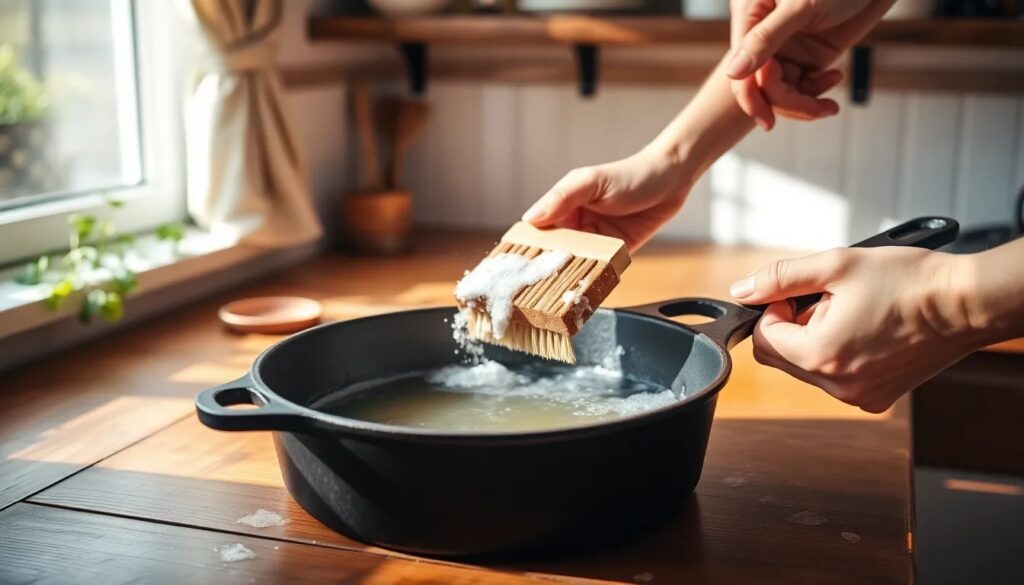
Proper cleaning and maintenance of cast iron cookware are crucial for preserving its non-stick surface and preventing rust. Understanding the best techniques for cast iron pan cleaning ensures that your skillet remains in top condition for years to come. In this guide, we will explore effective methods and tips to help you master the art of cleaning cast iron pans.
Index
- What is the importance of proper cast iron pan cleaning?
- How to clean a rusty cast iron skillet?
- What are the best cast iron pan cleaning tips and tricks?
- How to clean a cast iron skillet with burnt-on residues?
- Should you use soap when cleaning cast iron cookware?
- How to season a cast iron skillet after cleaning?
- What tools do you need for effective cast iron pan cleaning?
- Frequently asked questions about cast iron pan cleaning
- Related questions about cleaning cast iron pans
What is the importance of proper cast iron pan cleaning?
Maintaining a cast iron pan properly is essential for several reasons. First, it helps preserve the skillet's seasoning, which is vital for its non-stick properties. If you do not clean your cast iron cookware correctly, you risk damaging this seasoning layer.
Moreover, proper cleaning prevents rust formation. Cast iron is susceptible to moisture, which can lead to rusting if not addressed promptly. Regular maintenance not only enhances the performance of your cookware but also extends its lifespan, allowing it to become a cherished family heirloom.
Another important aspect is Food safety. Leftover residues can harbor bacteria, which is not only unappetizing but can also pose health risks. Cleaning your cast iron skillet effectively ensures that it remains safe for Cooking.
 Cast of Surface: Complete List of Actors and Crew
How to clean a rusty cast iron skillet?
Cleaning a rusty cast iron skillet requires a bit more effort but is entirely achievable. Here’s how you can restore your skillet:
1. Scrub the Rust Away: Use a combination of steel wool and warm water to scrub off the rust. Be gentle to avoid scratching the surface too much, but firm enough to remove the rust completely.
2. Create a Salt Scrub: For stubborn rust, you can create a paste using coarse salt and water. Apply it to the rusty areas and scrub with a soft brush or sponge.
3. Dry Immediately: After removing the rust, make sure to dry the skillet immediately with a clean cloth. This step is critical to prevent any new rust from forming.
Cast of Surface: Complete List of Actors and Crew Cleaning a cast iron pan made easy
4. Re-season the Skillet: Once cleaned, apply a thin layer of cooking oil to the pan and place it in the oven upside down at a high temperature. This process will re-establish the seasoning layer.
5. Regular Maintenance: To prevent future rusting, always ensure your skillet is completely dry after cleaning and consider applying a thin layer of oil after each use.
What are the best cast iron pan cleaning tips and tricks?
Here are some effective cast iron pan cleaning tips and tricks that will help you maintain your cookware:
- Use Warm Water: When cleaning, always start with warm water. This helps to loosen any stuck-on food particles more easily.
Cast of Surface: Complete List of Actors and CrewCleaning a cast iron pan made easy Cleaning a cast iron skillet made easy
- Avoid Soap: While some people debate this, it’s generally advised to avoid using soap. Soap can break down the seasoning, which is essential for a non-stick surface.
- Gentle Scrubbing Tools: Use soft brushes or sponges designed for cast iron. Avoid harsh scouring pads that can damage the surface.
- Immediate Drying: To prevent rust, always dry your skillet right after washing it. You can place it on the stove over low heat for a few minutes to ensure it is completely dry.
- Occasional Re-seasoning: Consider re-seasoning your skillet occasionally, especially if you notice any food sticking or dullness in the surface.
Cast of Surface: Complete List of Actors and CrewCleaning a cast iron pan made easyCleaning a cast iron skillet made easy Cleaning cast iron cookware made easy
How to clean a cast iron skillet with burnt-on residues?
Burnt-on residues can be particularly challenging when it comes to cast iron pan cleaning. Here’s how you can tackle this issue:
1. Salt and Oil Method: Sprinkle a generous amount of coarse salt over the burnt areas, add a little oil, and use a non-metal scrubber to scrub the surface. The salt acts as an abrasive that helps lift the burnt residue.
2. Baking Soda Paste: Create a paste using baking soda and water. Apply it to the burnt spots, let it sit for a while, and scrub gently. Baking soda is excellent for breaking down stubborn residues.
3. Boiling Water: Place the skillet on the stove and fill it with water, bringing it to a boil. The steam and heat will help loosen the burnt parts, making it easier to scrub away.
Cast of Surface: Complete List of Actors and CrewCleaning a cast iron pan made easyCleaning a cast iron skillet made easyCleaning cast iron cookware made easy Surface cast: full details and insights
4. Scrape with a Wooden Spoon: For tougher spots, use a wooden spoon to gently scrape off the residue. This technique is effective without risking damage to the skillet.
5. Follow Up with Oil: After cleaning, always apply a light coat of oil to protect the seasoning and keep the skillet in good shape.
Should you use soap when cleaning cast iron cookware?
The use of soap when cleaning cast iron cookware is a topic of debate among enthusiasts. Generally, it is not recommended to use soap as it can strip the skillet of its precious seasoning. However, there might be exceptions:
1. Mild Soap for Heavy Residue: If the residue is particularly stubborn and cannot be removed through scrubbing, a mild soap may be used sparingly. Just be sure to rinse it thoroughly and re-season the skillet afterward.
Cast of Surface: Complete List of Actors and CrewCleaning a cast iron pan made easyCleaning a cast iron skillet made easyCleaning cast iron cookware made easySurface cast: full details and insights How to wash cast iron pan
2. Focus on Cleaning Technique: Instead of soap, focus on using warm water and the right scrubbing tools. This approach is typically sufficient for most cleaning tasks without risking damage to the seasoning.
3. Understand Your Skillet's Condition: If your skillet is heavily seasoned and well-maintained, it is generally safe to avoid soap entirely. If the skillet is new or has lost its seasoning, a light soap may not do as much harm.
How to season a cast iron skillet after cleaning?
Seasoning a cast iron skillet is essential for maintaining its non-stick properties. Here’s a simple guide on how to do it effectively:
1. Clean First: Ensure the skillet is clean and dry after washing. Any moisture should be removed as it can interfere with the seasoning process.
Cast of Surface: Complete List of Actors and CrewCleaning a cast iron pan made easyCleaning a cast iron skillet made easyCleaning cast iron cookware made easySurface cast: full details and insightsHow to wash cast iron pan How to wash cast iron skillet
2. Apply Oil: Use a high smoke point oil such as vegetable oil or flaxseed oil. Apply a thin layer all over the skillet, including the handle and bottom.
3. Heat the Skillet: Place the skillet upside down in a preheated oven at 375°F (190°C). This allows excess oil to drip off while helping to form a strong seasoning layer.
4. Bake for an Hour: Let the skillet bake for about an hour. This process allows the oil to polymerize, creating a solid non-stick layer.
5. Cool Down: After an hour, turn off the oven and let the skillet cool inside. This gradual cooling helps bond the seasoning even further.
Cast of Surface: Complete List of Actors and CrewCleaning a cast iron pan made easyCleaning a cast iron skillet made easyCleaning cast iron cookware made easySurface cast: full details and insightsHow to wash cast iron panHow to wash cast iron skillet Best way to reheat steak
What tools do you need for effective cast iron pan cleaning?
Having the right tools makes a significant difference in the ease and effectiveness of cast iron pan cleaning. Here are some essential tools to have on hand:
- Soft Brushes: A soft-bristled brush is ideal for scrubbing without damaging the seasoning.
- Scrubbing Sponges: Use sponges specifically designed for cast iron that won’t scratch the surface.
- Coarse Salt: A natural abrasive that assists in removing stuck-on food without damaging the skillet.
- Paper Towels or Cloths: For drying the skillet after cleaning.
- Cooking Oil: Essential for seasoning the skillet after cleaning.
With these tools, you can ensure that your cast iron skillet remains in excellent condition.
Frequently asked questions about cast iron pan cleaning
What is the best way to clean a cast iron skillet?
The best way to clean a cast iron skillet involves using warm water and a gentle scrubbing method. Start by rinsing the skillet under warm water, then use a soft brush or sponge to scrub away any food residues. For tougher spots, a mix of coarse salt and oil can be effective. Always remember to dry the skillet immediately to prevent rust.
What should you never do to a hot cast iron pan when cleaning?
Never plunge a hot cast iron pan into cold water. Doing so can cause thermal shock, leading to warping or cracking. Instead, allow the skillet to cool slightly before cleaning it with warm water. This practice helps to maintain the integrity of the skillet.
Do you oil your cast iron after every use?
Yes, it’s a good practice to apply a light coat of oil after each use. This not only helps to maintain the non-stick surface but also protects the skillet from moisture and rust. Just a small amount of oil rubbed into the surface will suffice.
How do I get the black stuff off my cast iron pan?
To remove black residues, try using a mixture of coarse salt and oil to scrub the affected areas. If necessary, you can also use a baking soda paste for stubborn spots. Always focus on gentle scrubbing to avoid damaging the seasoning layer.
If you want to know other articles similar to Cast iron pan cleaning tips and tricks you can visit the category Cooking Equipment for Meat.
Cuchillo fileteador: guía completa para elegir el mejor

Planchas cocina gas: la mejor opción para tu cocina

Plancha asar eléctrica: la mejor opción para tus comidas
Deja una respuesta

Gestionar consentimiento
Funcional Siempre activo
El almacenamiento o acceso técnico es estrictamente necesario para el propósito legítimo de permitir el uso de un servicio específico explícitamente solicitado por el abonado o usuario, o con el único propósito de llevar a cabo la transmisión de una comunicación a través de una red de comunicaciones electrónicas.
Preferencias
El almacenamiento o acceso técnico es necesario para la finalidad legítima de almacenar preferencias no solicitadas por el abonado o usuario.
Estadísticas
El almacenamiento o acceso técnico que es utilizado exclusivamente con fines estadísticos. El almacenamiento o acceso técnico que se utiliza exclusivamente con fines estadísticos anónimos. Sin un requerimiento, el cumplimiento voluntario por parte de tu proveedor de servicios de Internet, o los registros adicionales de un tercero, la información almacenada o recuperada sólo para este propósito no se puede utilizar para identificarte.
Marketing
El almacenamiento o acceso técnico es necesario para crear perfiles de usuario para enviar publicidad, o para rastrear al usuario en una web o en varias web con fines de marketing similares.
More embers