
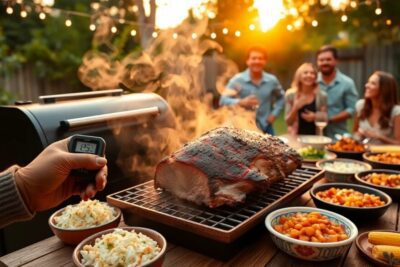
Temp beef brisket done: ideal internal temperature for perfect results
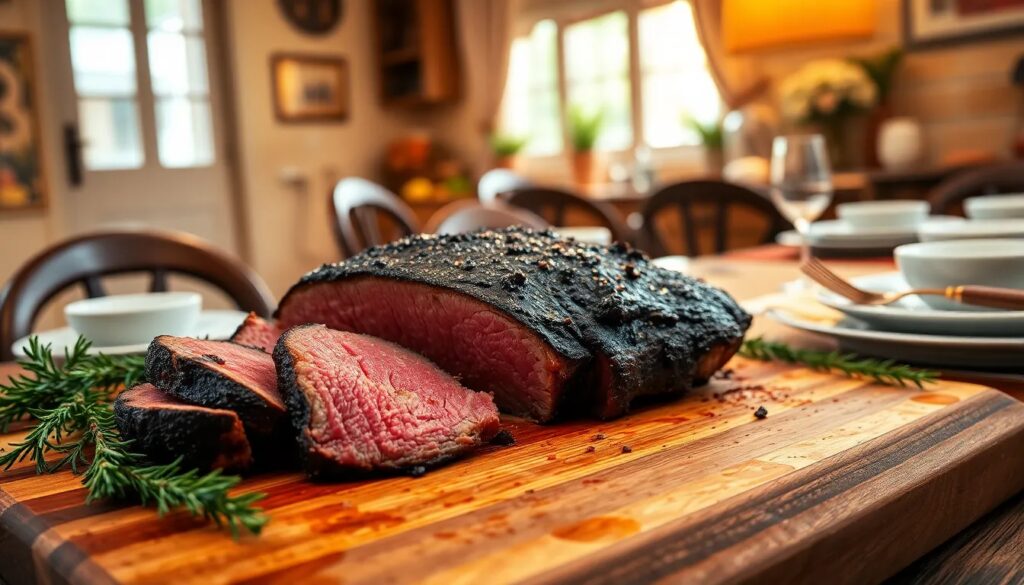
Smoking a brisket can seem daunting, but with the right techniques and tools, anyone can achieve mouthwatering results. This guide focuses on the ideal internal temperature for perfect results and offers insight into various methods that simplify the process. Whether you're a seasoned pro or a beginner, this article will help you smoke a brisket that impresses your friends and family.
The key to a successful brisket lies in understanding the cooking methods and temperatures involved. From selecting the right piece of meat to knowing when it's done, this guide covers everything you need to know about temp beef brisket done.
Table of Contents
- Hot and fast brisket: done in half the time
- What is the ideal temp for beef brisket done?
- How long to smoke a brisket at 225°F?
- How to trim a brisket for smoking?
- What tools are needed to smoke brisket?
- How to wrap a brisket for optimal results?
- Tips for perfectly slicing a brisket
- How long should you rest a brisket before slicing?
- Related questions about the temperature and cooking of brisket
Hot and fast brisket: done in half the time
Cooking brisket hot and fast can significantly reduce your smoking time while still delivering tender, flavorful meat. By increasing the cooking temperature, you can achieve a perfectly cooked brisket in as little as half the time typically required.
To achieve this, you'll want to set your smoker to a higher temperature, typically between 300°F and 350°F. This method not only speeds up the cooking process but also creates a beautiful bark on the outside. Here's a quick rundown of what to expect:
- Increased cooking speed without sacrificing flavor.
- Potentially more moisture retention due to higher heat.
- Creates a delightful crust that adds texture to every bite.
However, be mindful of the thickness of your brisket, as thinner cuts will cook much faster than their thicker counterparts. Ensure you monitor the internal temperature closely to prevent overcooking.
What is the ideal temp for beef brisket done?
The ideal temperature for beef brisket done varies depending on personal preferences. However, most experts agree that the best results occur when the internal temperature reaches between 195°F and 205°F.
At this temperature range, the collagen in the brisket breaks down, resulting in a tender and juicy outcome. Here’s a quick summary of temperatures to keep in mind:
- 190°F: Tender but may not be fully rendered.
- 195°F - 205°F: Optimal for melt-in-your-mouth texture.
- Over 210°F: Can lead to dryness if not monitored carefully.
It's essential to use a reliable meat thermometer to check the internal temperature accurately. The placement of the probe should be in the thickest part of the brisket to get the most accurate reading.
How long to smoke a brisket at 225°F?
Smoking a brisket at 225°F is a tried-and-true method that allows for a slow and low cooking process. The smoking time can range significantly based on the size of the brisket, typically taking anywhere from 12 to 18 hours.
Factors that influence cooking time include:
Size and thickness of the brisket: A larger brisket will naturally require more time to cook.
Weather conditions: Cold or windy weather can affect the smoking process, requiring more time to maintain a stable temperature.
Resting time: After reaching the ideal temperature, allow the brisket to rest for at least an hour before slicing for optimal juiciness.
Once the brisket reaches the stall phase (around 150°F), many pitmasters opt to wrap it in butcher paper or foil to retain moisture and continue cooking through the stall.
How to trim a brisket for smoking?
Proper trimming of a brisket can make a significant difference in cooking results. A well-trimmed brisket ensures even cooking and enhances flavor. Follow these guidelines to trim your brisket effectively:
- Remove excess fat: Trim off the thick layer of fat on the fat cap while leaving a thin layer for moisture.
- Square the edges: Make straight cuts along the edges to create an even-shaped brisket.
- Remove silverskin: Look for any silver skin or connective tissue and carefully slice it off.
This process not only improves the appearance but also allows the seasoning to penetrate the meat better, resulting in a more flavorful end product.
What tools are needed to smoke brisket?
Having the right tools can make your smoking experience more enjoyable and successful. Here are the essential tools you should consider:
- Smoker: A reliable smoker is crucial for maintaining consistent temperatures.
- Meat thermometer: For accurately measuring internal temperatures.
- Butcher paper: Ideal for wrapping brisket during the stall phase.
- Sharp knife: Necessary for trimming and slicing the brisket.
- Spritz bottle: Useful for keeping the meat moist during the cooking process.
Investing in quality equipment can lead to better results and an overall more enjoyable smoking experience.
How to wrap a brisket for optimal results?
Wrapping your brisket during the cooking process can help retain moisture and improve tenderness. Here’s how to do it:
Once the internal temperature hits around 150°F, it’s time to wrap the brisket. Use butcher paper for excellent breathability, allowing the meat to continue developing a crust while keeping it moist.
When wrapping, ensure the brisket is securely covered but not overly tight, allowing for some airflow. This method helps manage the stall phase effectively, enabling the brisket to cook through without drying out.
Tips for perfectly slicing a brisket
Slicing a brisket correctly is just as important as cooking it. Here are some tips to ensure you get perfect slices every time:
- Let it rest: Allow the brisket to rest for at least one hour to let the juices redistribute.
- Slice against the grain: Identify the direction of the grain and slice perpendicular to it for tender pieces.
- Use a sharp knife: A sharp knife will make clean cuts and prevent tearing the meat.
Taking the time to slice properly will enhance the overall eating experience and presentation of the brisket.
How long should you rest a brisket before slicing?
Resting is a crucial step that many people overlook. After smoking, it’s important to let your brisket rest for at least one hour. During this time, the juices will redistribute throughout the meat, ensuring a moist and flavorful result.
Resting also allows for easier slicing, as the meat firms up slightly, making it less likely to fall apart. For larger cuts, consider wrapping the brisket in foil and placing it in a cooler to keep it warm while resting.
In summary, don't rush this step; it’s vital for achieving the best flavor and texture.
Is brisket done at 190 or 200?
Brisket is typically considered done between 195°F and 205°F. At 190°F, it may still be slightly chewy, and you may find that it improves in texture as it approaches 200°F.
This range allows sufficient breakdown of collagen, leading to the tender, melt-in-your-mouth quality that many people desire.
What temperature should a brisket be fully cooked at?
A fully cooked brisket should reach an internal temperature of at least 195°F. This ensures that the meat is tender and properly rendered, making it enjoyable to eat.
Using a meat thermometer is essential to confirm that your brisket has reached this ideal temperature.
Is beef brisket done at 180 degrees?
While some may consider 180°F acceptable for serving, it is generally better to aim for at least 195°F to ensure optimal tenderness and flavor. At 180°F, the brisket may not have rendered enough fat, resulting in a tougher texture.
What is the 3 2 1 rule for brisket?
The 3 2 1 rule is a popular smoking technique that involves cooking the brisket for 3 hours unwrapped, then wrapping it for 2 hours, and finally unwrapping for the last hour. This method creates a nice bark while ensuring moisture retention and tenderness.
Alternatively, some may use variations of this rule based on their preferences and cooking temperatures.
If you want to know other articles similar to Temp beef brisket done: ideal internal temperature for perfect results you can visit the category BBQ Tips.
More embers