

How to trim a brisket
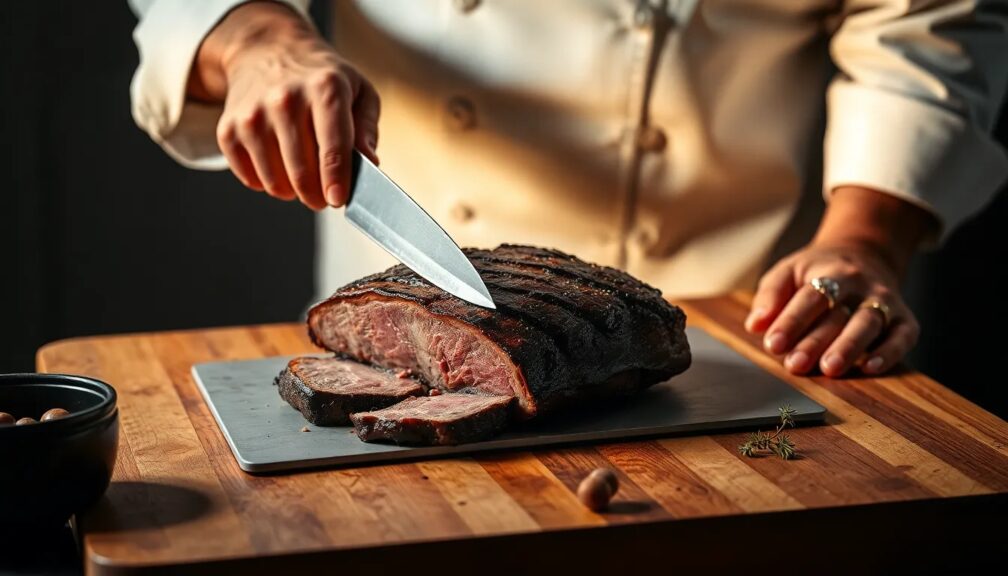
Trimming a brisket is a critical step for achieving the best flavor and cooking results. A well-trimmed brisket not only enhances the taste but also improves the overall cooking process. Here, we will explore the best practices for how to trim a brisket effectively to prepare it for cooking.
Whether you're preparing for a barbecue or looking to ensure a perfect smoke, understanding the right techniques will help you master this essential skill.
Table of Contents
- How to trim a brisket for optimal smoking results
- What tools do you need for trimming a brisket?
- How to prepare a brisket before trimming?
- What are the steps to trim the underside of the brisket?
- How to remove the fat cap from a brisket?
- How to square the edges of a brisket?
- What is the best way to trim the skin and remaining fat?
- How to use brisket trimmings effectively?
- Questions related to trimming brisket
How to trim a brisket for optimal smoking results
When you want to smoke a brisket, the trimming process is vital for optimal results. Proper trimming enhances smoke penetration and seasoning absorption. This leads to a more flavorful and juicy brisket.
Start by placing the brisket on a clean butcher block. This provides a stable surface for trimming. Ensure you have a sharp fillet knife on hand; a sharp blade helps achieve clean cuts, which is essential for a neat trim.
Remove any thick layers of fat, but be careful not to cut too deeply into the meat. The goal is to leave a thin layer of fat that can render down during the smoking process, adding flavor without overwhelming the brisket.
What tools do you need for trimming a brisket?
Before you begin the trimming process, gather the necessary tools. Here’s a list of essential items for trimming a brisket:
- Fillet knife: A sharp, flexible knife is crucial for precision.
- Butcher block: A large cutting board provides ample space to work.
- Paper towels: For keeping your hands and surface clean.
- Gloves: Optional, but they can help maintain hygiene.
Having the right tools makes the trimming process easier and more effective. A well-prepared setup allows you to focus on the technique rather than struggling with inadequate equipment.
Lastly, don’t forget to have a trash bag nearby for disposing of excess fat and trimmings. This keeps your workspace organized and efficient.
How to prepare a brisket before trimming?
Before you dive into trimming, it’s crucial to prepare the brisket properly. Start by thawing the brisket in the refrigerator for a couple of days if it’s frozen. This ensures even trimming and prevents the meat from being too tough.
Once thawed, rinse the brisket under cold water to remove any residual blood or impurities. Pat it dry with paper towels to make the surface less slippery, which can aid in controlling your cuts.
It’s also helpful to let the brisket sit at room temperature for about 30 minutes before trimming. This makes it easier to handle and can help achieve a more even cut.
What are the steps to trim the underside of the brisket?
Trimming the underside of the brisket requires a systematic approach. Here are the steps to follow:
- Start by flipping the brisket over so the fat side is facing down.
- Identify the silverskin, a tough membrane that can hinder tenderness. Use your fillet knife to gently slide under the silverskin and remove it in strips.
- Inspect for excess fat and trim accordingly, leaving a thin layer for flavor.
- Make sure to maintain a consistent thickness across the underside; this helps with even cooking.
Properly trimming the underside allows the smoke to penetrate the meat while ensuring that the brisket cooks evenly. This attention to detail in the trimming process is what separates a good brisket from a great one.
How to remove the fat cap from a brisket?
The fat cap is a thick layer of fat on one side of the brisket. Removing it properly can significantly affect your brisket's flavor and texture. Here’s how to do it:
Position the brisket with the fat cap facing up. Start at one edge and insert your knife between the fat cap and the meat. Use smooth, even strokes to detach the fat. It’s important to maintain a gentle pressure, as you want to remove excess fat without taking away too much meat.
As you work, periodically check how much fat you are removing. Leaving about a quarter of an inch is ideal to ensure the meat retains moisture during cooking. This will also help render flavor during the smoking process.
How to square the edges of a brisket?
Squaring the edges of a brisket helps create a more uniform shape, promoting even cooking and smoke distribution. To achieve squared edges, follow these steps:
First, lay the brisket flat on your butcher block. Use your fillet knife to trim any uneven or ragged edges. Focus on making straight cuts perpendicular to the long side of the brisket. This helps to create a rectangular shape.
Pay attention to the thickness of the brisket as you trim. Avoid cutting too deeply; you want the brisket to maintain its integrity while achieving a neat, professional appearance. Squaring the edges not only improves aesthetics but also ensures the meat cooks evenly.
What is the best way to trim the skin and remaining fat?
Trimming the skin and remaining fat is an essential part of preparing the brisket for cooking. To do this effectively, follow these guidelines:
- Use a sharp knife to make clean cuts, removing any remaining skin without taking away too much muscle.
- Trim any thick sections of fat, as these can prevent flavor absorption and make the brisket greasy.
- Keep the trimmings; they can be utilized for creating flavorful rubs or added to stocks.
Effective trimming means not only enhancing flavor but also ensuring a more pleasant eating experience. Remember, a well-trimmed brisket will yield better results on the grill or in the smoker.
How to use brisket trimmings effectively?
Instead of discarding trimmings, consider creative ways to utilize them. Brisket trimmings can be used for various culinary purposes:
One option is to grind the trimmings for burgers or meatballs. This adds a rich, smoky flavor that enhances these dishes significantly. Another idea is to add them to a slow-cooked barbecue sauce, allowing the flavors to meld together.
Additionally, you can smoke the trimmings separately to create flavorful additions to your dishes. Shredded brisket trimmings can be used as a topping for nachos or incorporated into chili for added depth.
How should I trim my brisket?
To trim your brisket effectively, begin by gathering your tools such as a sharp fillet knife and a clean butcher block. Follow the steps outlined for trimming both the fat cap and the underside carefully. Aim to remove excess fat while keeping a thin layer intact for flavor. Practice makes perfect, so don’t be afraid to experiment!
What is the 3 2 1 rule for brisket?
The 3 2 1 rule is a guideline for smoking brisket, particularly for the cooking duration. It involves smoking the brisket for 3 hours unwrapped, then wrapping it in foil and cooking it for an additional 2 hours. Lastly, the brisket is unwrapped for the final hour to develop a nice bark. This method results in tender, flavorful meat.
How much fat should you trim off a brisket?
When trimming a brisket, aim to leave about a quarter-inch layer of fat on the surface. This layer enhances moisture retention and flavor during cooking. It’s essential to remove thick sections without compromising the meat underneath, ensuring the brisket remains tender and juicy.
How to find the grain on a brisket?
Identifying the grain on a brisket is crucial for proper slicing. The grain refers to the direction the muscle fibers run. To find it, look for lines or striations in the meat. It’s best to slice against the grain when serving for tenderness. A simple visual inspection usually suffices to determine the grain direction.
If you want to know other articles similar to How to trim a brisket you can visit the category BBQ Tips.

More embers