

Fats effect on flavor: understanding the impact
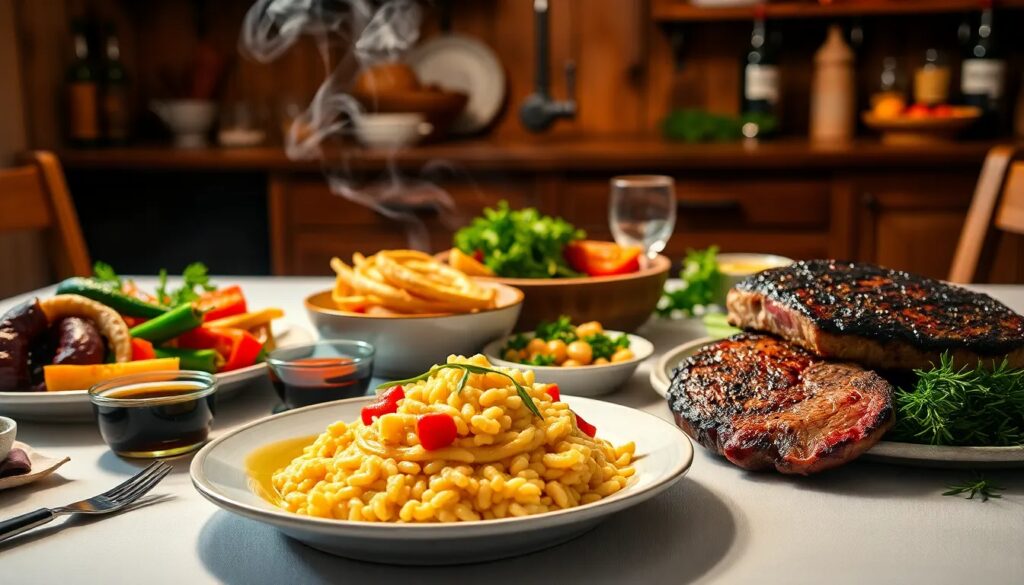
The role of fats in culinary experiences is often underestimated. While sweetness, sourness, saltiness, bitterness, and umami have traditionally defined taste, fats effect on flavor is emerging as a significant aspect of our sensory perception. Understanding how fats influence flavor development can enhance our appreciation of food.
This article explores the multifaceted roles of fats in flavor perception, examining how they interact with our taste buds and contribute to the overall sensory experience of food.
Table of Contents
- What is the role of fats in flavor perception?
- How do fatty acids influence taste bud activation?
- Can fat be considered a primary taste?
- What physiological mechanisms are involved in fat detection?
- How do lipids contribute to the flavor of different foods?
- What is the relationship between fat detection and obesity?
- Related questions about fats and flavor
What is the role of fats in flavor perception?
Fats play a critical role in flavor perception by enhancing the palatability of foods. They help carry flavor compounds, allowing for a more enriched tasting experience. Without fats, many flavors would be muted, diminishing the overall enjoyment of food.
When we consume fatty foods, the fats dissolve flavor compounds, which our taste buds then detect. This interaction makes fats an essential component of our sensory experience, contributing not only to taste but also to aroma.
- Enhancement of flavor compounds: Fats can amplify the flavors of ingredients, making them more pronounced.
- Texture and mouthfeel: The creaminess or richness of fats adds a pleasurable texture to many dishes.
- Aromatic properties: Fats help release volatile compounds that enhance aroma, a critical part of flavor perception.
How do fatty acids influence taste bud activation?
Fatty acids, the building blocks of fats, have a unique ability to activate specific taste receptors in our mouth. Research has identified receptors such as CD36 and GPR120, which respond to fatty acids, signaling the brain to recognize fat as a distinct taste.
This activation process enhances our sensory experience, allowing us to distinguish between different types of fats. Various fatty acids can trigger different responses from these receptors, indicating that fat is not merely a textural component, but also a flavor element in its own right.
Studies suggest that the presence of fatty acids can modulate the perception of other tastes, creating a more complex and enjoyable flavor profile. This interplay emphasizes the importance of understanding how fats influence our overall experience of food.
Can fat be considered a primary taste?
The classification of fat as a primary taste is a topic of ongoing research. Traditionally, taste has been limited to five categories, but the evidence suggesting that fats may constitute a sixth taste is becoming increasingly compelling.
Many scientists advocate for the recognition of fat as a primary taste, arguing that our ability to detect fats contributes significantly to our food preferences and dietary choices. For instance, people who are more sensitive to fatty acids may be better at regulating their fat intake, leading to healthier dietary habits.
Recognizing fat as a primary taste could shift our understanding of nutrition and health, particularly regarding dietary regulation and fat detection. This acknowledgement prompts a reevaluation of how we perceive and consume fats.
What physiological mechanisms are involved in fat detection?
The detection of fat involves complex physiological mechanisms that engage taste receptors and other sensory pathways. When fatty acids are consumed, they interact with receptors on taste buds, leading to the activation of neural pathways associated with taste and aroma.
These mechanisms involve the release of signaling molecules that inform the brain about the presence of fats, influencing cravings and preferences. The process is not just about taste; it encompasses the entire sensory experience, including smell and texture, which are crucial for flavor development.
Moreover, the ability to detect fats may play a role in metabolic processes. Individuals who struggle to sense fatty foods might consume them in larger quantities, potentially leading to obesity and related health issues. Understanding these mechanisms highlights the importance of fat detection in our dietary choices and health outcomes.
How do lipids contribute to the flavor of different foods?
Lipids, including various fats and oils, are vital in developing the flavor of many foods. They act as carriers for flavor compounds, enhancing the overall taste experience. For example, the use of olive oil in Mediterranean cuisine not only adds richness but also enhances the flavors of vegetables and spices.
Different cooking methods can alter the way lipids contribute to flavor. For instance, frying can create new flavor compounds through lipid oxidation, leading to unique tastes that are often sought after. This transformation is crucial for dishes like fried chicken or crispy potatoes, where the flavor is deeply tied to the cooking fat used.
- Cooking methods: Different cooking techniques like frying, baking, or grilling can affect how lipids develop flavors.
- Variety of sources: Various fats from animal and plant sources contribute distinct flavors, influencing global cuisines.
- Interaction with other ingredients: Lipids can enhance or modify the flavors of herbs, spices, and other components in a dish.
What is the relationship between fat detection and obesity?
The relationship between fat detection and obesity is a complex one. Studies indicate that individuals who have a reduced ability to detect fat may have higher rates of obesity. This phenomenon suggests that fat detection plays a crucial role in dietary choices and cravings.
Those who cannot adequately sense fatty foods may consume them in excess, leading to potential health issues over time. Understanding the connection between fat perception and obesity can inform public health strategies aimed at promoting healthier eating habits.
Furthermore, the psychological aspects of fat consumption cannot be overlooked. The pleasure derived from fatty foods often drives people to eat beyond satiety, contributing to weight gain. Recognizing the importance of fat detection is essential for tackling obesity from a sensory and behavioral perspective.
What does fat do to our taste buds?
Fat interacts with taste buds by activating specific receptors that signal the presence of fatty acids. This activation influences our perception of flavor, enhancing the overall taste experience. When fats are present, they can make other flavors more vibrant and complex, significantly impacting our enjoyment of food.
Moreover, fat can alter the texture and mouthfeel of foods, making them richer and creamier. This combination of taste and texture creates a more satisfying eating experience, highlighting the importance of fats in our diet.
Do fats add texture and flavor to food?
Absolutely, fats add both texture and flavor to food. The creaminess of butter, the richness of oils, and the mouthfeel of various fats contribute to the overall sensory experience of eating. These properties enhance the palatability of dishes, making them more enjoyable.
In cooking, fats also play a critical role in flavor extraction, helping to release and carry flavor compounds from other ingredients. This synergy between fats and flavors is essential for achieving well-balanced and delicious meals.
Do fatty acids contribute to flavor?
Yes, fatty acids significantly contribute to flavor. They can activate taste receptors specifically tuned to detect fats, creating a unique taste experience. This activation can enhance other flavors and aromas, adding depth to various dishes.
In addition, certain fatty acids can create desirable flavors during cooking processes like roasting or grilling, where they can undergo chemical changes that develop complex flavor profiles. This highlights the integral role of fatty acids in culinary arts.
How does fat contribute to the flavor of meat?
Fat plays a crucial role in the flavor profile of meat. Marbling, the presence of fat interspersed within muscle tissue, enhances both flavor and tenderness in meats. During cooking, fats render and baste the meat, contributing to its juiciness and flavor complexity.
Additionally, the type of fat present in the meat can influence its flavor. For example, beef has a different flavor profile compared to pork or lamb due to variations in the types of fats they contain. This diversity in flavor underscores the importance of fat in the culinary experience.
If you want to know other articles similar to Fats effect on flavor: understanding the impact you can visit the category BBQ Tips.


More embers