
Smoker temperature for brisket: the best practices

Smoking a brisket is an art that combines technique, patience, and a bit of passion. Understanding the smoker temperature for brisket is crucial for achieving that tender, flavorful result that delights barbecue lovers. This guide will explore the best practices, from trimming and seasoning to the right smoking techniques.
Table of Contents
- What is the best smoker temperature for brisket?
- How long should you smoke a brisket?
- What wood is best for smoking brisket?
- How to properly trim a brisket?
- How to season a brisket for smoking?
- What is the brisket stall and how to handle it?
- How to wrap a brisket during smoking?
- Questions related about smoking brisket
What is the best smoker temperature for brisket?
When it comes to smoking brisket, maintaining a consistent temperature is vital. The recommended smoker temperature for brisket typically falls around 225°F. This temperature allows the meat to cook evenly without becoming tough.
Smoking at 225°F enhances the flavor and tenderness of the brisket. At this temperature, the meat can develop a beautiful bark while allowing the fat to render slowly. Some enthusiasts prefer smoking at even lower temperatures, such as 180°F, but this requires a longer cooking time to ensure the meat is thoroughly cooked.
If you're looking for a quick overview, here’s a simple breakdown of smoking temperatures:
- 180°F: Longer cooking time, ideal for marbled cuts.
- 225°F: Balanced cooking time and flavor development.
- 250°F: Faster cooking; however, it might sacrifice tenderness.
Experimenting with these temperatures can yield different results, so it's worth trying them to see which one you prefer.
How long should you smoke a brisket?
The length of time needed to smoke a brisket largely depends on its size and the smoker temperature for brisket. Generally, you can expect to smoke a brisket for about 1 to 1.5 hours per pound of meat at 225°F.
For example, a 10-pound brisket could take anywhere from 10 to 15 hours to cook. It's essential to monitor the internal temperature of the meat, aiming for a final temperature of around 195°F to 205°F. This range ensures that the brisket is tender and juicy.
If you're using a higher temperature, such as 250°F, the smoking time may be reduced. However, keep in mind that cooking too quickly can affect the meat's texture and moisture. Always plan accordingly, as well-prepared brisket requires patience.
What wood is best for smoking brisket?
The choice of wood can significantly impact the flavor of your brisket. Some of the best woods for smoking brisket include:
- Hickory: Offers a strong, smoky flavor; great for those who enjoy a pronounced taste.
- Oak: Provides a mild flavor that complements the beef without overwhelming it.
- Cherry: Adds a sweet, fruity note that pairs well with the rich flavor of brisket.
You can also experiment with wood pellets or combinations of different woods to create a unique flavor profile. Mixing hickory with cherry, for instance, can provide a balanced smokiness with a hint of sweetness.
How to properly trim a brisket?
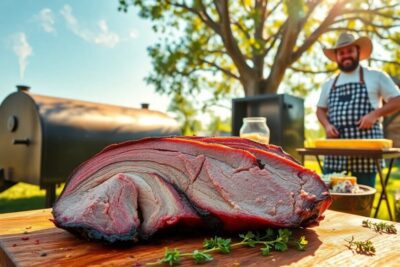
Trimming your brisket is a crucial step in the smoking process. A well-trimmed brisket ensures an even cook and enhances the final flavor. Here are some steps on how to trim it effectively:
- Remove any excess fat: Aim to leave about ¼ inch of fat on the fat cap for moisture and flavor during cooking.
- Shape the brisket: Trim the edges to create a more uniform shape, which helps in even cooking.
- Square off the ends: This will help the brisket cook more evenly and create a better presentation.
Proper trimming not only improves the cooking process but also helps with flavor absorption during smoking.
How to season a brisket for smoking?
Seasoning your brisket is where you can get creative! There are many ways to approach this, from simple to complex. A basic yet effective method is to use a rub made of salt and black pepper in equal parts.
For a more flavorful rub, consider adding:
- Garlic powder
- Onion powder
- Paprika
- Brown sugar (for a hint of sweetness)
After applying the rub, let the brisket rest in the refrigerator for a few hours or overnight. This allows the flavors to penetrate the meat better, enhancing the overall taste during the smoking process.
What is the brisket stall and how to handle it?
The brisket stall is a phenomenon that occurs when the internal temperature of the brisket plateaus, usually between 150°F and 170°F, for several hours. This happens due to the evaporative cooling effect, where moisture from the surface of the meat cools it down as it cooks.
To manage the stall effectively, you can:
- Be patient: The stall is a normal part of the smoking process.
- Wrap the brisket: Using butcher paper or foil to wrap the brisket can help retain moisture and speed up the cooking process.
- Increase the temperature: If you're pressed for time, raising the smoker temperature slightly can help push through the stall.
Understanding the brisket stall will help you avoid frustration and improve your smoking technique.
How to wrap a brisket during smoking?
Wrapping a brisket during smoking is an effective technique to retain moisture and enhance flavor. Once the brisket reaches an internal temperature of about 160°F, it’s time to wrap. Here’s how to do it:
1. Use butcher paper or aluminum foil to wrap the brisket tightly. Butcher paper is often preferred because it allows the meat to breathe while keeping moisture in.
2. Ensure the wrap is secure to prevent any steam from escaping, which helps in tenderizing the meat further.
3. Return the wrapped brisket to the smoker until it reaches your desired internal temperature.
Wrapping not only helps with moisture retention but also contributes to the development of a beautiful bark.
What is the best temperature to smoke brisket?
The best temperature to smoke brisket is around 225°F. This temperature allows for a slow and even cook that ensures tenderness and flavor development. At this heat level, the brisket can rest for a considerable time without drying out.
How long does it take to smoke a brisket?
The smoking time for brisket varies based on its weight and the temperature used. Generally, at 225°F, you should plan for about 1 to 1.5 hours per pound, meaning a 10-pound brisket may take between 10 to 15 hours to reach perfection.
What kind of wood is best for smoking brisket?
Hickory, oak, and cherry are among the best types of wood for smoking brisket. Hickory provides a robust flavor, while oak offers a milder profile. Cherry adds a subtle sweetness, making it ideal for enhancing the overall taste of your smoked brisket.
How do you wrap brisket during smoking?
To wrap brisket during smoking, use butcher paper or aluminum foil. Wrap it tightly once it reaches an internal temperature of approximately 160°F. This technique helps retain moisture and speeds up cooking during the stall.
What should I spritz brisket with?
Spritzing your brisket can keep it moist during the smoking process. Common options include a mixture of apple cider vinegar and water or a simple broth. Spritzing every hour can help enhance the bark and prevent drying out.
If you want to know other articles similar to Smoker temperature for brisket: the best practices you can visit the category BBQ Techniques and Styles.
More embers