

Charcoal flames: how to ignite and maintain them

Starting a charcoal grill can seem daunting for beginners, but with the right knowledge and tools, it becomes a simple and enjoyable process. Whether you're looking to host a barbecue for friends or simply enjoy a meal outdoors, mastering the art of charcoal grilling will enhance your cooking skills.
This guide provides a comprehensive overview of everything you need to know about charcoal flames, from selecting the right charcoal to maintaining those flames for optimal grilling.
Table of Contents
- Choosing the right type of charcoal
- Tools for lighting charcoal
- How to ignite charcoal flames effectively
- Tips for maintaining charcoal flames
- Common mistakes when grilling with charcoal
- How to keep charcoal lit in wind
- Best practices for controlling charcoal flames
- Related questions about charcoal flames
Choosing the right type of charcoal
When it comes to charcoal, there are several options available, each with its own unique characteristics. The main types of charcoal include briquettes, lump charcoal, and quick-light charcoal.
- Briquettes: These are uniform and easy to use, making them popular for beginners. They burn steadily and are great for maintaining a consistent heat.
- Lump charcoal: This type burns hotter and faster than briquettes. It is made from natural hardwood and is ideal for those looking for a more authentic wood flavor.
- Quick-light charcoal: These are pre-treated with lighter fluid, making them easy to ignite. However, they may impart a chemical taste to your food.
Choosing the right charcoal is crucial for achieving the desired flavor and cooking temperature. Each type has its advantages, so consider what you want to achieve with your grilling experience.
Tools for lighting charcoal
Having the right tools can make lighting charcoal flames much easier and more efficient. Some essential tools include:
- Charcoal chimney: This is a metal cylinder that allows you to light the charcoal evenly. It's a popular choice among grill enthusiasts for its effectiveness.
- Fire starters: These can be in the form of cubes, sticks, or natural materials like newspaper. They help ignite the charcoal without using lighter fluid.
- Electric lighters: These are handy for those who want a quick and easy way to start their charcoal without the mess.
With the right tools, you can ensure a successful ignition of your charcoal flames, making your grilling experience much smoother.
How to ignite charcoal flames effectively
Igniting charcoal flames is an art that can be mastered with practice. Here’s a reliable method to get your grill started:
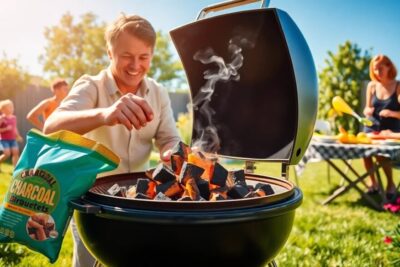
- Place your charcoal in the chimney and add a few fire starters or crumpled newspaper at the bottom.
- Light the fire starters, and let the flames rise through the charcoal. This usually takes about 10-15 minutes.
- Once the coals are covered with a light ash, they are ready to be poured into your grill.
Timing is important; wait until the coals are ashed over before placing them in the grill. This ensures even heat distribution and optimal cooking conditions.
Tips for maintaining charcoal flames
Once your charcoal flames are lit, maintaining them is key for a successful grilling session. Here are some effective tips:
- Control airflow: Use the vents on your grill to adjust the temperature. Opening the vents allows more oxygen in, increasing the heat.
- Keep the lid closed: Keeping the lid closed helps contain the heat and ensures even cooking.
- Add more charcoal as needed: If your flames are dying down, don't hesitate to add more charcoal to maintain a steady heat.
Monitoring your charcoal flames throughout the cooking process will help you achieve the best results and ensure that your food is cooked to perfection.
Common mistakes when grilling with charcoal
Even seasoned grillers can make mistakes when working with charcoal. Here are some common pitfalls to avoid:
- Not allowing coals to ash over: Cooking on unseasoned coals can result in uneven cooking and undesirable flavors.
- Using lighter fluid: While it may seem convenient, lighter fluid can impart a chemical taste to your food.
- Overcrowding the grill: Too much food at once can lower the cooking temperature and lead to uneven cooking.
Avoiding these mistakes can significantly improve your grilling experience and flavor outcomes.
How to keep charcoal lit in wind
Wind can pose a challenge when grilling with charcoal, but there are several strategies to keep your flames alive:
- Position your grill wisely: Set your grill in a sheltered area, if possible, to minimize wind exposure.
- Use windbreaks: Create a barrier around your grill using natural elements or screens.
- Adjust the airflow: Close the vents slightly to maintain heat without blowing out your flames.
By being mindful of environmental factors, you can successfully maintain your charcoal flames even in windy conditions.
Best practices for controlling charcoal flames
Controlling your charcoal flames effectively is essential for achieving the desired cooking temperature. Here are some best practices:
- Use a thermometer: Invest in a grill thermometer to check the internal temperature of your grill.
- Experiment with coal arrangement: Create hot and cold zones by positioning charcoal on one side of the grill.
- Regularly check coals: Monitoring the coals will help you know when to add more or adjust vents.
Implementing these practices will enhance your grilling skills and ensure that your meals are cooked to perfection.
Does charcoal have flames?
Yes, charcoal produces flames, especially when it is first ignited. However, the flames are typically not as vigorous as those produced by wood. The flames will diminish as the charcoal burns down and the coals begin to ash over.
How to get charcoal flames?
To get charcoal flames, you must ignite the charcoal properly. Using a charcoal chimney is one of the most effective methods. Start by adding your charcoal to the chimney, place fire starters at the bottom, light them, and let the flames rise through the coals until they are well-lit and ashed over.
How to make a charcoal fire?
To make a charcoal fire, arrange your charcoal in a pyramid shape and add fire starters or crumpled newspaper at the base. Light the fire starters and allow the flames to rise and ignite the charcoal. Wait until the coals are gray and ashed over before spreading them out for cooking.
Is a charcoal fire hotter than a wood fire?
Generally, a charcoal fire can reach higher temperatures than a wood fire, especially if using lump charcoal. Charcoal burns at a more consistent temperature and is denser, allowing it to sustain heat longer. However, wood can also produce high temperatures depending on the type of wood used.
If you want to know other articles similar to Charcoal flames: how to ignite and maintain them you can visit the category BBQ Techniques and Styles.
More embers