
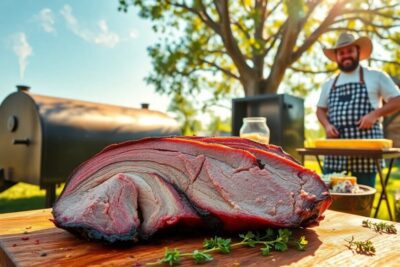
Barbecue smoking: a beginner's guide
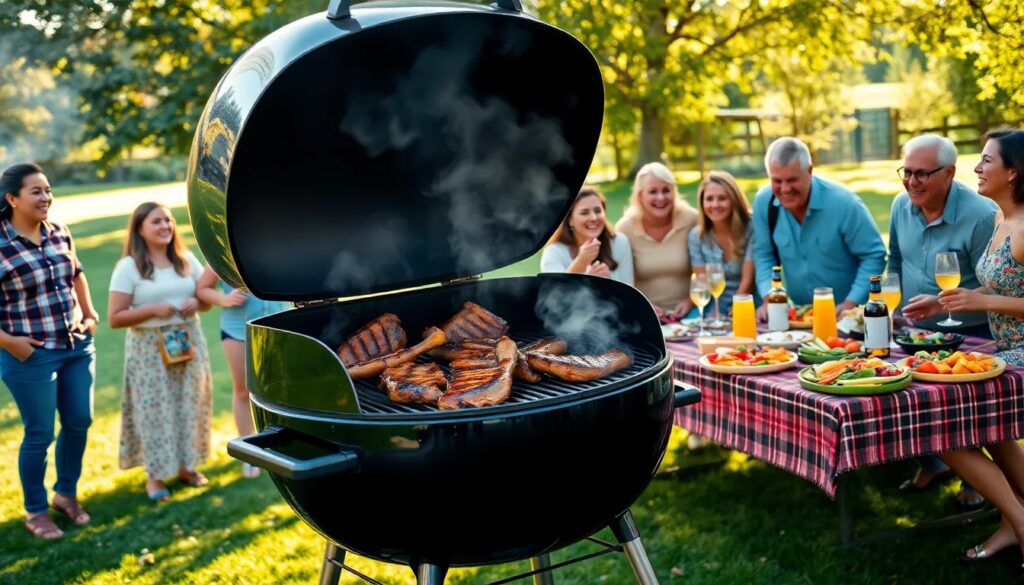
Barbecue smoking is an art that blends history, culture, and culinary techniques into one flavorful experience. It’s a process that requires patience and skill, transforming simple cuts of meat into culinary masterpieces that are rich in flavor and texture. As you delve into the world of barbecue smoking, understand that it’s not just about cooking; it’s about creating an experience.
In this guide, we will explore the essentials of barbecue smoking, from the differences between smoking and grilling to the best woods to use. Whether you're a beginner or looking to refine your skills, this comprehensive introduction will set you on the path to becoming a smoking aficionado.
Table of Contents
- How is barbecue smoking different from grilling?
- What are the best woods for barbecue smoking?
- How to prepare meat for barbecue smoking?
- What are common mistakes to avoid in barbecue smoking?
- How long should you smoke different types of meat?
- What equipment do you need for barbecue smoking?
- Frequently asked questions about barbecue smoking
- Questions related to barbecue smoking techniques and tips
How is barbecue smoking different from grilling?
Barbecue smoking and grilling are often confused, but they are fundamentally different cooking methods. While grilling involves high heat and quick cooking, barbecue smoking is a method that utilizes low temperatures over an extended period.
Grilling is typically done over direct heat, with temperatures reaching upwards of 500°F. In contrast, barbecue smoking takes place at temperatures between 225°F and 275°F, allowing for the slow breakdown of collagen in the meat, resulting in tender, juicy dishes.
Another key difference is the use of smoke. Smoking infuses meat with complex flavors from the wood used, while grilling primarily relies on marinades and rubs for flavor. This distinction is crucial for anyone wanting to master the nuances of barbecue smoking.
Finally, the equipment used varies considerably. Smokers, which are specifically designed for low and slow cooking, are essential for proper barbecue smoking, differing from the straightforward grill setup.
What are the best woods for barbecue smoking?
Selecting the right wood is imperative for successful barbecue smoking. Different types of wood impart various flavors to the meat, enhancing its taste and aroma.
- Hickory: Often considered the king of smoking woods, hickory offers a strong, hearty flavor that pairs well with pork and ribs.
- Mesquite: Known for its intense smoke, mesquite is great for shorter cooks, particularly with beef; however, use it sparingly to avoid overwhelming the meat.
- Apple: This fruit wood provides a mild, sweet flavor ideal for poultry and pork, making it a favorite among pitmasters.
- Cherry: Similar to apple, cherry wood provides a fruity aroma and is excellent for a variety of meats, adding a beautiful color to the smoke ring.
- Alder: Traditionally used for salmon, alder lends a delicate, slightly sweet flavor, making it versatile for lighter meats.
When choosing wood for barbecue smoking, it’s essential to consider the meat you’re cooking and the flavor profile you wish to achieve. Experimenting with different woods can lead to discovering unique combinations that elevate your barbecue game.
How to prepare meat for barbecue smoking?
Preparing your meat properly is a crucial step in the barbecue smoking process. Here are some essential tips to ensure you maximize flavor and tenderness.
First, it’s vital to choose the right cut of meat. Cuts with more collagen, such as brisket and pork shoulder, are ideal because they benefit from the low and slow cooking process, breaking down into tender morsels.
Next, consider marinating or seasoning your meat. A simple rub made from salt, pepper, and spices can enhance the natural flavors. For more depth, consider a marinade that includes acidic components like vinegar or citrus to tenderize the meat further.
- Trim excess fat to prevent flare-ups and ensure even cooking.
- Apply your rub or marinade generously, ensuring all surfaces are covered.
- Let the meat sit for several hours or overnight to absorb the flavors.
Finally, allow the meat to come to room temperature before placing it in the smoker. This step helps in achieving consistent cooking temperatures throughout the piece.
What are common mistakes to avoid in barbecue smoking?
Barbecue smoking can be tricky, especially for beginners. Here are some pitfalls to watch out for:
- Not maintaining temperature: Consistent temperature control is crucial for successful smoking. Use a reliable thermometer to monitor the smoker and meat temperatures.
- Overcooking: It’s easy to overcook meat in a smoker. Always check doneness with a meat thermometer to avoid drying out your dish.
- Using green wood: Freshly cut wood can produce acrid smoke, leading to off-flavors. Always use seasoned, dried wood for a cleaner smoke.
- Opening the smoker too often: Each time you open the lid, you lose heat and smoke. Limit the number of times you peek inside.
By avoiding these common mistakes, you can improve your barbecue smoking skills and create delicious, tender dishes that will impress friends and family.
How long should you smoke different types of meat?
Timing is crucial when it comes to barbecue smoking. Each type of meat has its recommended smoking duration, which affects texture and flavor.
For example, pork shoulder typically requires about 1.5 to 2 hours per pound at 225°F to 250°F. This long cooking time allows the collagen to break down for a juicy result.
Brisket, another favorite, generally takes around 1 to 1.5 hours per pound, depending on the thickness and the specific cut. A good rule of thumb is to aim for an internal temperature of around 195°F to 205°F for optimal tenderness.
Poultry, like chicken and turkey, needs less time—approximately 30 to 40 minutes per pound. It’s crucial to ensure that the internal temperature reaches at least 165°F for safe consumption.
What equipment do you need for barbecue smoking?
Having the right equipment can make or break your smoking experience. Here’s what you’ll need:
- Smoker: There are various types, including offset, vertical, and electric smokers. Choose one that fits your needs and budget.
- Thermometer: A reliable digital thermometer is essential for monitoring meat and smoker temperatures accurately.
- Wood chips or chunks: Depending on your preference, select the appropriate wood to complement your meat choice.
- Charcoal or propane: Depending on your smoker type, you will need a heat source. Charcoal provides a distinctive flavor, while propane offers convenience.
- Tools: Tongs, a basting brush, and a meat injector can enhance your smoking experience, making it easier to manage the process.
Investing in quality equipment will not only enhance your smoking results but also provide a more enjoyable cooking experience.
Frequently asked questions about barbecue smoking
How do I stop my barbecue from smoking?
If your barbecue is producing too much smoke, there are a few strategies to consider. First, ensure that you’re using dry, seasoned wood. Wet or green wood can create excessive smoke. Temperature control is also crucial; if the smoker is too hot, it may produce more smoke.
Additionally, check the airflow within your smoker. Adequate airflow helps create cleaner smoke and maintain consistent temperatures. Adjusting the vents can often solve the issue of excessive smoke.
How to smoke a barbecue for beginners?
Start by selecting a simple cut of meat, such as chicken thighs or pork ribs, which are forgiving and easier to manage. Prepare your meat with a rub, and allow it to sit overnight for maximum flavor absorption.
Once you’re ready, set your smoker to a stable temperature between 225°F and 250°F. Use a combination of charcoal and wood chips for heat and flavor. Monitor your meat regularly, aiming for internal temperatures specific to the cut you’re cooking.
How long should you smoke a barbecue?
The smoking time will vary based on the cut and size of the meat. Generally, plan for about 1.5 hours per pound for larger cuts like brisket or pork shoulder. For quicker cooking meats like chicken, about 30 to 40 minutes per pound is sufficient.
Always use a thermometer to ensure the meat reaches the recommended internal temperature for safety and optimal tenderness.
Is barbecue smoke as bad as smoking?
While both barbecue smoke and tobacco smoke contain harmful compounds, the risks associated with barbecue smoke are generally lower. However, it's still advisable to consume smoked foods in moderation.
Focusing on proper smoking techniques, such as using high-quality wood and ensuring good ventilation, can help minimize harmful byproducts. Additionally, balancing smoked foods with a variety of fresh fruits and vegetables can contribute to a healthier diet.
Learning the art of barbecue smoking can elevate your cooking skills and impress your guests. By following these guidelines, you’ll be well on your way to achieving delicious, smoky flavors that are sure to delight.
If you want to know other articles similar to Barbecue smoking: a beginner's guide you can visit the category BBQ Techniques and Styles.

More embers