

Smoked beef brisket recipe
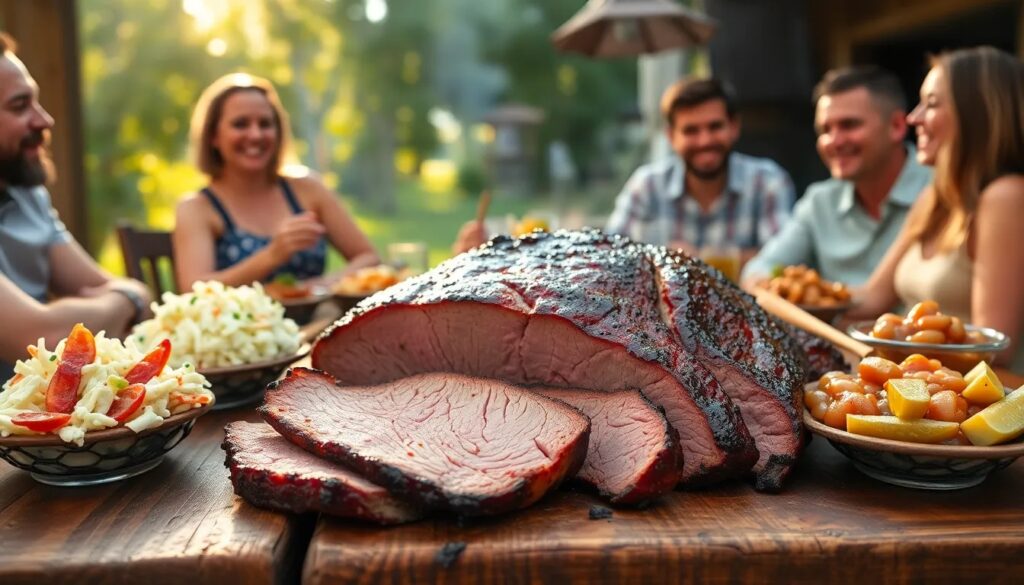
Smoking brisket is an art that requires patience and precision. The smoked beef brisket is a classic that embodies the essence of Texas barbecue. With the right techniques, anyone can achieve a tender and flavorful brisket that steals the show at any gathering.
In this guide, we will delve into the essential steps, tools, and tips needed to create the perfect smoked beef brisket, ensuring that your next barbecue is a resounding success.
Table of Contents
- How to smoke a perfect beef brisket?
- What tools are needed to smoke brisket?
- How to select the right brisket for smoking?
- What is the best way to trim a brisket?
- How should you season a smoked beef brisket?
- How long should you smoke a brisket?
- How to wrap a brisket during the smoking process?
- What to serve with smoked beef brisket?
- Related questions about smoking beef brisket
How to smoke a perfect beef brisket?
Smoking a beef brisket involves a series of steps that, when executed correctly, produce a mouthwatering result. First, it’s crucial to start with a high-quality brisket, ideally with plenty of marbling. This fat will render during the cooking process, keeping the meat moist and flavorful.
Next, you’ll need to set your smoker to a low temperature, typically around 225°F. This low and slow method allows the collagen in the brisket to break down, resulting in a tender texture. Throughout the cooking process, monitor the internal temperature using a reliable meat thermometer, aiming for around 195°F to 205°F for optimal tenderness.
Another important aspect is the bark, the crust that forms on the outside of the brisket. A good seasoning rub, applied generously, can help develop a delicious bark that enhances the overall flavor of the smoked beef brisket.
What tools are needed to smoke brisket?
To smoke a brisket effectively, you will need some essential tools:
- Smoker: Whether it’s an electric smoker, offset smoker, or pellet grill, having a reliable smoker is key.
- Meat Thermometer: A digital thermometer will help monitor the internal temperature accurately.
- Wood Chips or Chunks: Hickory, oak, or mesquite are popular choices for adding flavor.
- Butcher Paper: This is useful for wrapping the brisket during the stall phase to retain moisture.
- Knives: A sharp knife for trimming and slicing the brisket is essential.
Having these tools on hand will make the smoking process smoother and more enjoyable, allowing you to focus on perfecting your smoked beef brisket recipe.
How to select the right brisket for smoking?
Selecting the right brisket is crucial for achieving the best results. When choosing a brisket, look for one with a good amount of marbling, as this ensures flavor and moisture. A point cut brisket is often more flavorful than the flat cut due to its higher fat content.
Additionally, consider the size of the brisket. A larger cut will feed more people, but remember that it will also take longer to cook. Aim for a brisket that weighs between 10 and 15 pounds for a typical barbecue.
Finally, source your brisket from a reputable butcher or meat market, where you can often find higher quality cuts than in a typical grocery store.
What is the best way to trim a brisket?
Trimming your brisket properly is essential for both cooking and presentation. Start by removing any thick layers of fat, but leave about a quarter-inch of fat on the surface to help keep the meat moist during cooking. This fat cap will enhance the flavor during the smoking process.
Also, remove any silver skin or tough connective tissue on the meat side of the brisket. This allows for better seasoning penetration and ensures a more tender final product.
Finally, shape the brisket into a uniform thickness, which promotes even cooking and helps prevent any parts from drying out during the smoking process.
How should you season a smoked beef brisket?
Seasoning is a crucial element in achieving fantastic flavor in your smoked beef brisket. A simple dry rub is often the best choice, allowing the meat's natural flavors to shine through. A basic rub usually consists of:
- Salt: Enhances flavor and helps in moisture retention.
- Pepper: Adds a nice kick and balances the saltiness.
- Garlic Powder: Introduces depth to the flavor profile.
- Onion Powder: Complements the garlic and adds sweetness.
- Smoked Paprika: Imparts a subtle smokiness and color.
Apply the rub liberally, ensuring every surface of the brisket is covered. Allow the brisket to sit for at least an hour before smoking, or preferably overnight in the refrigerator for maximum flavor infusion.
How long should you smoke a brisket?
The smoking time for a brisket can vary based on several factors, including the weight of the brisket and the smoking temperature. As a general rule of thumb, you will need approximately 1 to 1.5 hours per pound when smoking at 225°F. For example, a 12-pound brisket may take anywhere from 12 to 18 hours to fully cook.
During the cooking process, it's important to monitor the internal temperature rather than relying solely on time. The brisket typically enters a phase known as the brisket stall when the internal temperature plateaus around 150°F to 160°F. This stall can last several hours, and patience is key.
How to wrap a brisket during the smoking process?
Wrapping your brisket can be a game-changer, particularly during the stall phase. By using butcher paper or aluminum foil, you can help retain moisture and enhance the bark without steaming the meat. If you choose butcher paper, wrap the brisket tightly but not too tight to allow some airflow for the bark to develop.
Wrap the brisket once it reaches about 160°F. This technique, often referred to as the Texas Crutch, can shorten the cooking time and ensure a juicy final product.
What to serve with smoked beef brisket?
Smoked beef brisket pairs beautifully with a variety of sides. Some popular options include:
- Coleslaw: A crunchy contrast that balances the richness of the brisket.
- Beans: A hearty side that complements the smoky flavors.
- Potato Salad: Creamy and refreshing, perfect for summer barbecues.
- Pickles: The acidity cuts through the fat, enhancing the overall experience.
- Cornbread: A classic pairing that adds a touch of sweetness.
Consider offering a selection of sauces as well. A tangy vinegar-based sauce or a sweet tomato-based barbecue sauce can provide guests with options to customize their plates.
How long does it take to smoke a beef brisket?
The time required to smoke a beef brisket largely depends on its weight and the smoking temperature. Generally, you can expect to smoke brisket for about 1 to 1.5 hours per pound at 225°F. Therefore, for a 10-pound brisket, anticipate a smoking time of around 10 to 15 hours. Keeping a close eye on the internal temperature is crucial for the best results.
What is the 4 2 10 rule brisket?
The 4 2 10 rule is a guideline for cooking brisket that suggests smoking the brisket uncovered for 4 hours, then wrapping it for 2 hours, followed by resting it for 10 hours. This method allows for a good bark formation and keeps the meat moist during cooking. Resting is essential as it allows the juices to redistribute, resulting in a more tender brisket.
What is the 3 2 1 rule for brisket?
The 3 2 1 rule is often applied to ribs but can be adapted for brisket as well. It involves 3 hours of smoking unwrapped, 2 hours wrapped in foil, and then 1 final hour unwrapped to firm up the bark. While this rule is not as common for brisket due to its size, it can help achieve a tender and flavorful outcome if used carefully.
How long to smoke a 13 lb brisket at 225 degrees?
For a 13 lb brisket, you can expect a smoking time of approximately 13 to 19.5 hours at 225°F. Factors such as the quality of the meat and the specific characteristics of your smoker can influence cooking time. Always rely on the internal temperature to guide you, aiming for around 195°F to 205°F for ultimate tenderness.
If you want to know other articles similar to Smoked beef brisket recipe you can visit the category BBQ Recipes and Marinades.


More embers