

Pellet smoked brisket guide
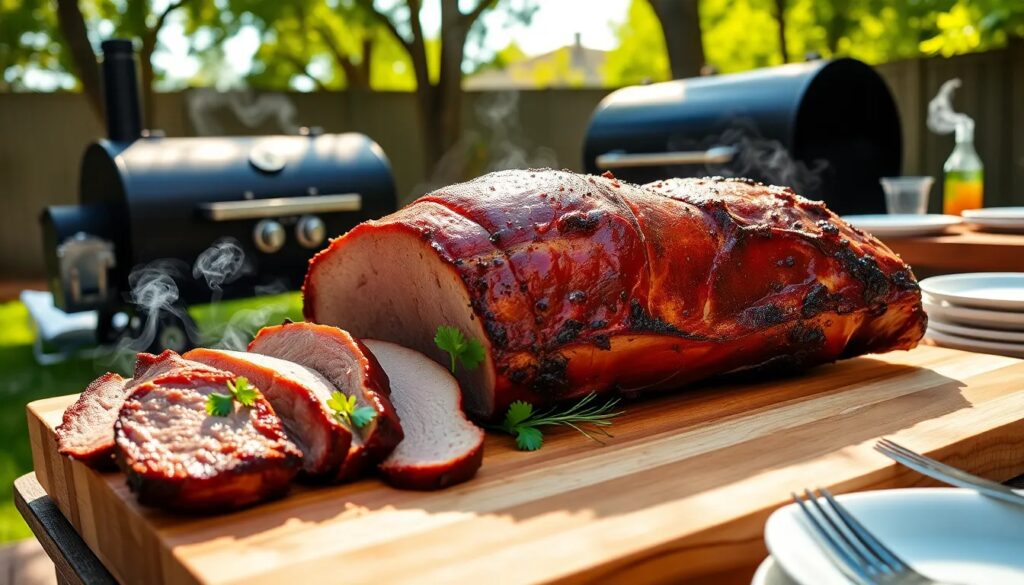
Smoking a brisket on a pellet grill can result in a tender, juicy, and flavorful dish that is perfect for any barbecue gathering. This guide will detail everything you need to know about making the best pellet smoked brisket, from preparation to cooking techniques.
With the right tools, ingredients, and techniques, you can achieve that coveted Texas-style brisket flavor right in your backyard. Read on to discover the secrets behind smoking the perfect brisket on a pellet grill.
Table of Contents
- How to smoke a brisket on a pellet grill?
- What tools do you need for smoking brisket?
- What ingredients are best for pellet smoked brisket?
- How to trim a brisket properly?
- What is the ideal temperature for smoking brisket?
- How long does it take to smoke a brisket?
- What are the best tips for perfectly smoked brisket?
- Questions related to smoking brisket
How to smoke a brisket on a pellet grill?
Smoking a brisket on a pellet grill is a straightforward yet rewarding process. Start by preheating your grill to a low temperature, ideally between 180-225°F. This low-and-slow method is crucial for breaking down the connective tissues in the brisket.
Once your grill is ready, place the brisket on the grill grates, fat side up. This allows the fat to render down, keeping the meat moist and flavorful. Monitor the internal temperature of the brisket using a meat thermometer to ensure it reaches the perfect doneness.
After a few hours, consider wrapping the brisket in butcher paper or foil to retain moisture and enhance tenderness. This step is critical for achieving that melt-in-your-mouth texture.
What tools do you need for smoking brisket?
Smoking brisket requires a few essential tools to ensure your success. Here’s a list of items you should have:
- Pellet grill: Choose a reliable model, like the Traeger Timberline XL, for consistent heat and smoke.
- Meat thermometer: Invest in a digital thermometer to monitor the internal temperature accurately.
- Wood pellets: Different wood pellets, such as hickory, oak, and mesquite, impart unique flavors to the brisket.
- Butcher paper or foil: Use these for wrapping the brisket during the cooking process to enhance tenderness.
- Grill tools: Tongs, spatula, and a basting brush are essential for handling the brisket safely.
Having the right tools not only simplifies the process but also enhances the overall quality of your pellet smoked brisket.
What ingredients are best for pellet smoked brisket?
Choosing the right ingredients is crucial for a flavorful brisket. Start with a high-quality cut of meat, preferably a whole packer brisket. This cut includes both the flat and point, providing a range of textures and flavors.
For seasoning, opt for a robust BBQ rub that complements the meat's natural flavors. Popular options include Meat Church rubs, which combine spices with the perfect balance of sweetness and heat.
When it comes to wood pellets, consider the following for a rich, smoky flavor:
- Hickory - offers a strong and bold flavor.
- Oak - provides a balanced and versatile smoke.
- Mesquite - delivers an intense and earthy taste, great for Texas-style brisket.
Each of these ingredients plays a vital role in creating a memorable smoked brisket experience.
How to trim a brisket properly?
Trimming your brisket is a critical step that can greatly affect the final product. Start by removing any excess fat from the outside of the brisket, but leave about a quarter-inch layer of fat to help baste the meat during cooking.
Pay special attention to the silver skin, a tough membrane found on the bottom side of the brisket. Carefully slice this away, as it can prevent seasonings from penetrating the meat.
Proper trimming allows for better seasoning absorption and ensures even cooking, leading to a more flavorful and tender pellet smoked brisket.
What is the ideal temperature for smoking brisket?
The ideal temperature for smoking brisket on a pellet grill typically ranges between 180-225°F. This low temperature helps break down the collagen in the meat, resulting in a tender texture.
It's essential to use a meat thermometer to monitor the internal temperature. Aim for an internal temperature of around 195°F to 205°F for optimal tenderness. At this point, the brisket will be perfectly cooked and easy to slice.
Maintaining a consistent temperature is key, so be sure to check your grill's settings periodically to avoid fluctuations.
How long does it take to smoke a brisket?
The time it takes to smoke a brisket can vary based on several factors, including the size of the brisket and the cooking temperature. Generally, you can expect to smoke a brisket for about 1 to 1.5 hours per pound at 225°F.
For example, a 10-pound brisket may take approximately 10 to 15 hours to smoke fully. Be prepared for the process to take longer than anticipated, as factors like ambient temperature and wind can affect cooking times.
Additionally, allowing the brisket to rest for at least an hour after cooking enhances its tenderness and flavor. During this time, the juices redistribute throughout the meat, resulting in a juicier bite.
What are the best tips for perfectly smoked brisket?
Achieving perfectly smoked brisket requires attention to detail and some handy tips:
- Use a quality rub: A well-seasoned brisket is essential for flavor.
- Wrap the brisket: Wrapping helps retain moisture and improve tenderness.
- Let it rest: Always rest your brisket before slicing to allow the juices to redistribute.
- Consider the 3-2-1 method: This involves smoking the brisket for 3 hours, wrapping it for 2 hours, and letting it rest for 1 hour.
Implementing these tips will help you master the art of smoking brisket and impress your guests with a delicious pellet smoked brisket.
How long to smoke a brisket on a pellet smoker?
The length of time required to smoke a brisket on a pellet smoker largely depends on the weight of the brisket and the cooking temperature. As a general guideline, you should plan for about 1 to 1.5 hours per pound at 225°F. This means a 10-pound brisket may take anywhere from 10 to 15 hours to fully smoke.
Factors such as the type of pellet grill and ambient conditions can affect timing. Therefore, using a meat thermometer is crucial to ensure the brisket reaches the desired internal temperature of around 195°F to 205°F for optimal tenderness.
What is the 3/2:1 rule for brisket on a pellet?
The 3-2-1 method is a popular technique for smoking brisket, particularly for those new to the process. The approach involves smoking the brisket for 3 hours at a low temperature, wrapping it in butcher paper or foil for 2 hours, and then allowing it to rest for 1 hour. This method helps to lock in moisture while also ensuring that the brisket develops a beautiful bark on the outside.
By following the 3-2-1 rule, you can achieve a succulent and tender brisket, making it an ideal choice for your next barbecue.
How long should you smoke a brisket at 225?
When smoking a brisket at 225°F, the standard recommendation is to allow about 1 to 1.5 hours per pound. For a typical 10-pound brisket, you should expect it to take approximately 10 to 15 hours to be fully cooked. Always use a meat thermometer to confirm the internal temperature reaches around 195°F to 205°F for best results.
This consistent, low-and-slow method ensures that the brisket is tender and packed with flavor, providing a truly delicious eating experience.
What is the 4 2 10 brisket method?
The 4-2-10 method is another approach to smoking brisket that some pitmasters prefer. This process involves smoking the brisket for 4 hours, followed by wrapping it for an additional 2 hours, and then allowing it to rest for 10 hours. The extended resting period allows the flavors to meld and the moisture to redistribute, which can lead to an exceptionally juicy brisket.
This method is particularly useful for larger cuts, as it provides ample time for the brisket to absorb smoke flavors and become tender. However, always be sure to monitor internal temperatures closely to achieve the best results.
If you want to know other articles similar to Pellet smoked brisket guide you can visit the category BBQ Recipes and Marinades.


More embers