

Wood pellets for grilling and smoking
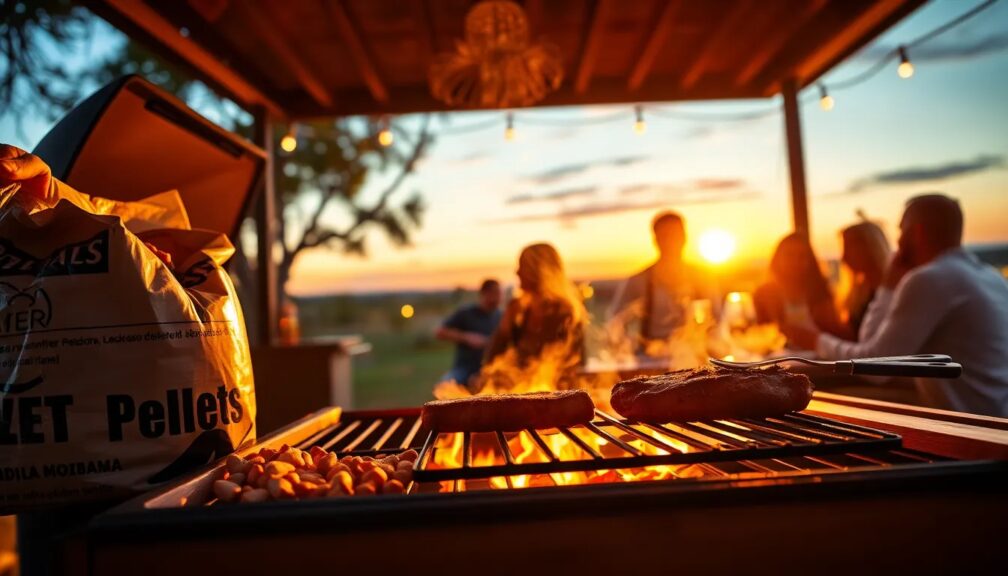
Wood pellets have become increasingly popular for grilling and smoking, offering a convenient and efficient way to enhance the flavor of your food. These small, cylindrical pieces of compressed wood are not only eco-friendly but also versatile, making them an excellent choice for outdoor cooking enthusiasts. In this article, we will explore the different aspects of wood pellets, including their sourcing, production, and various uses.
Table of Contents
What are wood pellets?
Wood pellets are a type of biofuel made from compressed wood fibers, typically sourced from residuals generated during the lumber production process. These pellets are designed to be burned in pellet stoves, grills, and smokers, providing an efficient and clean source of heat while imparting unique flavors to the food being cooked.
One of the most significant advantages of wood pellets is their consistency and low moisture content, which results in a cleaner burn and reduced emissions. They are available in various flavors, allowing users to choose the perfect wood for their cooking style. Some popular options include hickory, mesquite, and cherry.
Moreover, wood pellets are compressed using lignin, a natural binder found in wood, which helps maintain their shape and integrity during storage and handling. This compression process also makes them easier to transport and store than traditional firewood.
How are wood pellets made?
The production of wood pellets involves several steps, ensuring a high-quality final product. The process typically begins with sourcing raw materials, most often sawmill residuals or low-quality logs.
1. Debarking: The first step involves removing the bark from the logs, as it can lead to contamination and inconsistent burning.
2. Chipping: The debarked wood is then chipped into small pieces, making it easier to grind into a fine dust.
3. Grinding: The wood chips are ground into a powder, significantly increasing the surface area for the subsequent compression process.
4. Drying: To achieve the optimal moisture content (usually around 10-15%), the wood dust is dried. This process is crucial, as excess moisture can negatively impact the burning efficiency.
5. Pelletizing: Finally, the dried wood dust is compressed through a die, forming the pellets. Heat generated during this process causes the lignin to melt, acting as a natural binder and holding the pellets together.
The result is a high-quality product that burns efficiently and provides excellent flavor for grilling and smoking.
How are wood pellets sourced?
Wood pellets are primarily sourced from sustainably managed forests, which ensures that the production process does not compromise the environment. In British Columbia, for example, many wood pellets come from sawmill residuals and low-quality logs that would otherwise go to waste.
This sustainable sourcing promotes responsible forest management and helps reduce waste. Using residuals from sawmilling not only decreases the need for new logging but also contributes to a circular economy, where waste materials are transformed into valuable products.
Companies like WoodPellets.com emphasize the importance of sourcing materials responsibly and transparently, providing customers with information about the origins of their pellets and the environmental impact of their production.
Are wood pellets a sustainable, low carbon source of energy?
Yes, wood pellets are considered a sustainable and low carbon source of energy. They are made from renewable resources and are recognized for their efficiency in reducing greenhouse gas emissions compared to fossil fuels.
When burned, wood pellets release carbon dioxide, which is part of the natural carbon cycle. The trees used to produce these pellets absorb carbon dioxide while growing, helping to offset the emissions when the pellets are burnt. This cycle contributes to a lower overall carbon footprint, making wood pellets an attractive option for eco-conscious consumers.
Additionally, the use of wood pellets can support reforestation efforts and promote sustainable forest management practices, further enhancing their environmental benefits.
How are wood pellets used?
Wood pellets are versatile and can be used in various applications. Some common uses include:
- Grilling and Smoking: Wood pellets enhance the flavor of grilled and smoked meats, making them a favorite among barbecue enthusiasts. Different wood flavors can create unique profiles for various dishes.
- Heating: Wood pellets can be used in specially designed pellet stoves for home heating. These stoves burn pellets efficiently, providing an eco-friendly heating solution.
- Industrial Applications: In addition to residential use, wood pellets are also used in industrial power generation, where they can replace fossil fuels, further reducing carbon emissions.
For optimal results, it’s essential to choose the right type of wood pellet for your specific needs, considering the flavor profile and burning characteristics needed for each application.
What are the best wood pellets for heating?
When it comes to heating, the best wood pellets are those that offer high energy output and low ash content. Some of the top choices include:
1. Traeger Premium Pellets: Known for their quality and flavor, Traeger pellets provide a clean burn and consist of various wood types.
2. Greenway Biocoal Pellets: These pellets are designed for high-efficiency heating with minimal emissions, making them an eco-friendly choice.
3. Barefoot Pellets: Made from 100% hardwood, Barefoot Pellets deliver excellent heat output and are ideal for residential heating.
It's crucial to select high-quality wood pellets to ensure efficient heating and minimal maintenance. Look for brands that offer transparency regarding their sourcing and production processes.
Where to find wood pellets near me?
Finding affordable wood pellets near me can be as simple as searching online or visiting local hardware stores and garden centers. Many retailers now offer delivery services for convenience, ensuring customers can access high-quality wood pellets with ease.
Some key places to check include:
- Local Home Improvement Stores: Many large chains carry wood pellets year-round, especially during the heating season.
- Specialty BBQ Stores: These stores often have a wide selection of wood pellets specifically designed for grilling and smoking.
- Online Retailers: Websites like WoodPellets.com provide convenient purchasing options and delivery directly to your home.
By exploring these options, you can easily find high-quality wood pellets that suit your needs.
Is it cheaper to burn wood or wood pellets?
When comparing costs, it’s essential to consider both the price per unit and the efficiency of the fuel. Generally, wood pellets can be more cost-effective than traditional firewood due to their higher energy density. They burn cleaner, produce less ash, and require less frequent refueling.
Moreover, the energy output from wood pellets tends to be higher, meaning you may end up using fewer pellets compared to firewood for the same amount of heat. However, regional pricing and availability can significantly affect the overall cost, so it’s worth evaluating your local market.
How long will a 40 lb bag of wood pellets burn?
The burning duration of a 40 lb bag of wood pellets varies based on several factors, including the stove used and the desired heat output. On average, a 40 lb bag can last anywhere from 24 to 36 hours.
For instance, if you’re using a pellet stove for heating, the burn time may be longer since these stoves are designed for efficiency. Conversely, when grilling or smoking, the burn time may be shorter due to higher temperatures being used.
What are the disadvantages of wood pellets?
While wood pellets offer many benefits, there are some disadvantages to consider. One of the most notable is the initial investment in a pellet stove or grill, which can be higher than traditional wood-burning options.
Additionally, wood pellets can be sensitive to moisture; if they absorb too much water, they may become unusable or burn inefficiently. Proper storage in a dry location is essential to maintain their quality.
Lastly, although wood pellets are a renewable resource, their production does require energy and can have environmental impacts if not managed sustainably.
Why are wood pellets getting so expensive?
Recent trends show that wood pellets have been increasing in price due to several factors. One significant reason is the rising demand for renewable energy sources, which has led to increased competition for high-quality materials.
Additionally, fluctuations in global supply chains, logistics issues, and changing regulations can all contribute to higher costs. Seasonal demand, especially during winter months, can also drive prices up.
To mitigate these costs, it's beneficial to shop around and compare prices from different suppliers.
If you want to know other articles similar to Wood pellets for grilling and smoking you can visit the category BBQ Equipment and Maintenance.


More embers