

Wood for smoking: best types and uses
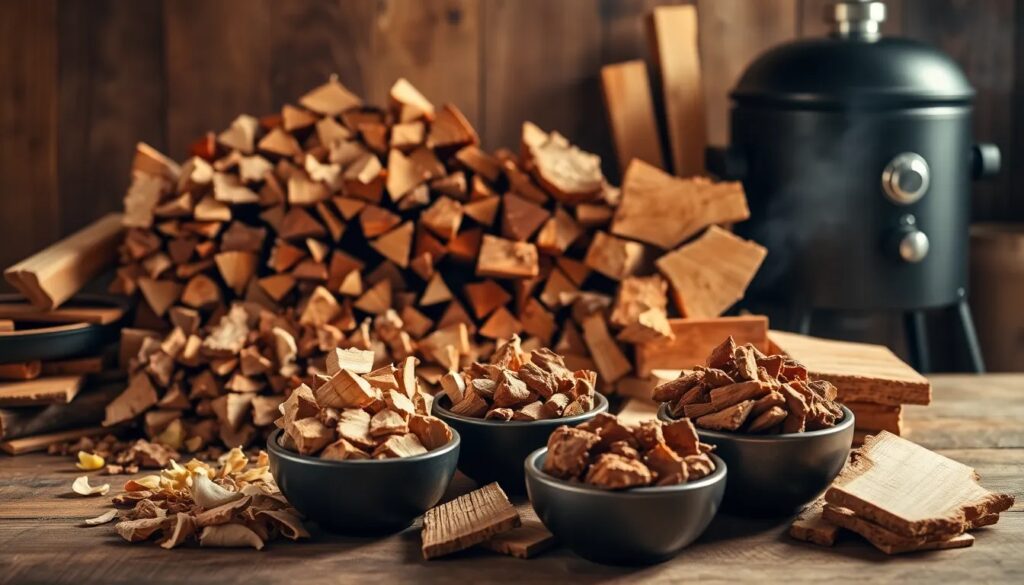
Smoking meat is an art that enhances flavor, and choosing the right wood for smoking is crucial. The type of wood you use can significantly affect the taste and aroma of the meat, making it essential to understand your options.
This guide will explore various types of wood for smoking, how to select the best one, and the techniques required to achieve the perfect smoky flavor in your dishes.
Table of Contents
What are the different types of wood for smoking?
When it comes to smoking meat, there are several popular types of wood, each imparting unique flavors. Some of the best wood for smoking meats includes:
- Oak: Versatile and suitable for various meats, it offers a medium to strong flavor.
- Hickory: Known for its sweet, bacony notes, perfect for larger cuts like ribs.
- Maple: Provides a subtle sweetness, ideal for poultry and pork.
- Mesquite: Intense and robust, best used sparingly for red meats.
- Pecan: Adds a rich flavor, great for a variety of meats.
Choosing the right wood is essential as it complements the meat's natural flavors. For instance, oak is a beginner-friendly option, while mesquite requires a more experienced hand due to its strong flavor profile.
Other wood varieties like apple, cherry, and alder can add fruity or mild notes, enhancing your smoking experience. Understanding the flavor profiles of these woods will help you pair them with the right meats.
How to choose the best wood for smoking?
Selecting the best wood for smoking depends on several factors, including the type of meat and the desired flavor. Here are some tips to help you make the right choice:
- Consider the meat type: Different woods suit different meats. For example, hickory pairs well with pork, while fruit woods like apple complement chicken.
- Flavor strength: Match the wood's intensity with the meat's flavor. Heavier meats can handle stronger woods like mesquite.
- Personal taste: Experiment with various woods to find what you enjoy. Don't hesitate to mix wood types for complex flavors.
Also, consider whether you want to use chips, chunks, or logs. Chips burn quickly and are great for short smoking sessions, while chunks provide longer-lasting smoke. Ensure you choose hardwoods for the best results.
Ultimately, experimentation is key. Start with known combinations and gradually explore new pairings to enhance your culinary skills.
Where can I buy wood for smoking?
Finding quality wood for smoking is easier than ever, with numerous options available both online and in local stores. Here are some tips on where to buy:
- Local BBQ supply stores: These often carry a variety of smoking woods, including popular choices like hickory and mesquite.
- Home improvement stores: Many now sell smoking wood chunks and chips, making it easily accessible.
- Online retailers: Websites like Amazon and specialty BBQ shops offer a wide selection, including less common woods.
When purchasing, ensure the wood is free from chemicals or additives. Look for natural hardwoods without any coatings, which can impart unwanted flavors to your meat.
Buying wood for smoking near you can also lead to discovering local suppliers who may offer unique or region-specific woods, enhancing your smoking experience even further.
What is the importance of soaking wood chips?
Soaking wood chips before using them for smoking is a common practice among pitmasters. Here’s why it’s important:
- Moisture retention: Soaking helps the chips retain moisture, allowing them to smolder rather than burn quickly. This leads to longer-lasting smoke.
- Flavor infusion: When soaked, the wood can absorb water, which can enhance the flavor released during smoking.
- Controlled smoke production: Wet chips produce a cooler smoke, which is preferable for a more balanced flavor.
For the best results, soak the chips for at least 30 minutes before use. However, avoid over-soaking, as this can lead to excessive steam and hinder smoke production.
How to light wood for smoking?
Lighting wood for smoking is a crucial step in the smoking process. Here are essential tips to ensure you get it right:
- Use a chimney starter: This is a great way to light charcoal quickly and evenly without lighter fluid.
- Combine with hot coals: Once your coals are hot and ashed over, add your wood chunks or soaked chips for the best smoke flavor.
- Monitor the temperature: Use a thermometer to ensure your smoker maintains the ideal temperature for the type of meat you are preparing.
Proper ignition will lead to a controlled smoking environment, producing rich flavors in your meat. Remember to keep the airflow steady, as it aids in maintaining a consistent burn.
What is the smoke ring and why is it important?
The smoke ring is a pink layer that forms just under the surface of smoked meat, and it signifies a well-executed smoking process. Here's why it matters:
- Flavor development: The smoke ring indicates that the meat has absorbed enough smoke flavor during cooking.
- Visual appeal: A pronounced smoke ring enhances the presentation of smoked meats, making them look more appetizing.
- Chemical reaction: The ring forms from a reaction between the meat's myoglobin and the nitrogen dioxide in the smoke, reflecting successful smoking.
Achieving a perfect smoke ring can be influenced by wood choice, temperature, and cooking time. Understanding this process helps ensure you're on the right path to delicious, flavorful smoked meats.
What wood is best for smoking?
The best wood for smoking largely depends on personal preference and the type of meat being prepared. Commonly recommended woods include oak, hickory, and maple. Each offers distinct flavor profiles, making it essential to experiment with different types to find what suits your taste.
What woods should you not smoke with?
Avoid using softwoods like pine or cedar for smoking, as they can produce toxic fumes and an unpleasant flavor. Additionally, woods treated with chemicals or additives should be strictly avoided to prevent contaminating the meat.
What's better, hickory or mesquite?
Hickory and mesquite both offer bold flavors but differ in intensity. Hickory has a sweeter, bacony taste ideal for pork and ribs, while mesquite provides a stronger flavor typically favored for red meats. The choice depends on individual preference and the type of meat being cooked.
Which wood to smoke which meat?
Choosing the right wood is critical for enhancing the flavor of different meats. For example, oak is versatile for beef and lamb, while hickory works best with pork. Maple complements poultry, and mesquite is excellent for red meats like brisket. Pairing the correct wood with the appropriate meat can elevate your smoking game.
If you want to know other articles similar to Wood for smoking: best types and uses you can visit the category BBQ Equipment and Maintenance.


More embers