

Temp probe guide: everything you need to know
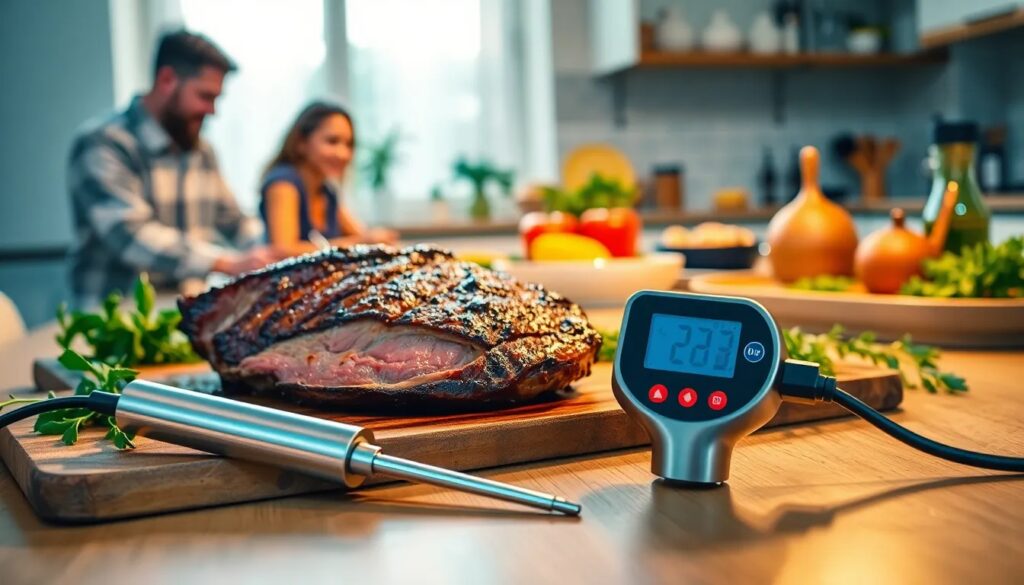
In today's world, accurate temperature measurement is crucial for various applications, from cooking to HVAC systems. A temp probe is a vital tool that ensures precision in these measurements. Understanding how to use this instrument effectively can elevate your skills in both culinary and technical fields.
Whether you’re a professional chef or an HVAC technician, knowing the ins and outs of temp probes can significantly enhance your work quality. This guide will delve into the essential aspects of temp probes, exploring their functionality, benefits, and applications.
Table of Contents
- What is a temp probe?
- How does a temp probe work?
- What are the benefits of using a temp probe?
- How to choose the right temp probe for your needs?
- What are the key features of a K-type temp probe?
- How to use a temp probe for cooking?
- What are the applications of temp probes in HVAC?
- Related questions about temperature probes
- Common questions about temp probes and their applications
What is a temp probe?
A temp probe, also known as a temperature sensor, is a device used to measure temperature with high accuracy. These probes come in various types, including K-type probes, which are widely used in many industries. They offer a broad temperature range and are known for their reliability.
The essential design of a temp probe typically features a metal probe that interfaces with the object being measured. This contact allows for the precise reading of temperatures, making them indispensable tools in both cooking and HVAC applications.
Moreover, temp probes often come equipped with digital displays, allowing users to read temperatures at a glance. In settings where accuracy is crucial, such as in food safety or HVAC maintenance, these devices prove to be invaluable.
How does a temp probe work?
Understanding how a temp probe works is fundamental for its effective use. The operation of a temp probe hinges on sensors that translate temperature changes into electrical signals. These signals are then processed and converted into readable temperature data.
For example, a K-type temperature probe uses two different metals joined at one end. When exposed to varying temperatures, a voltage difference occurs, allowing for temperature measurement. This technology ensures quick responses and high accuracy, making K-type probes ideal for diverse applications.
Additionally, many temp probes are designed with flexible cables that enhance their usability. This feature is especially beneficial in environments where access to the measurement area is limited.
What are the benefits of using a temp probe?
There are numerous advantages to using a temp probe, which can enhance both cooking and technical applications. Some of the key benefits include:
- Accuracy: Temp probes provide precise temperature readings, crucial for cooking and HVAC tasks.
- Versatility: They can be used in various settings, including kitchens and technical environments.
- Efficiency: Using a temp probe can speed up processes by providing instant readings.
- Safety: Accurate temperature measurements help prevent foodborne illnesses in culinary settings.
With these benefits, incorporating a temp probe into your toolkit can significantly improve your work quality. Whether for professional or personal use, the advantages are clear.
How to choose the right temp probe for your needs?
Selecting the right temp probe can make all the difference in your temperature measurement tasks. Consider the following factors when making your choice:
- Temperature Range: Ensure the probe can measure the temperatures you require.
- Type: Decide between K-type, stainless steel probes, or other varieties based on your application.
- Durability: Look for probes with robust designs, especially for high-temperature applications.
- Compatibility: Ensure that the probe works with your existing tools, such as digital multimeters.
Taking these features into account will help you find a temp probe that meets your specific needs, optimizing your operations whether in the kitchen or at a job site.
What are the key features of a K-type temp probe?
The K-type temp probe is popular for its unique features tailored to various applications. Key characteristics include:
- Wide Temperature Range: K-type probes can measure from -58°F to 1112°F, providing flexibility.
- Compatibility: These probes can be paired with different digital multimeters and clamp meters.
- Flexible Cables: Many K-type probes have long, flexible cables that allow for ease of movement.
- Durability: Constructed with high-quality materials, K-type probes can withstand extreme environments.
These attributes make K-type probes particularly useful in both cooking and HVAC environments, ensuring accurate and reliable temperature readings.
How to use a temp probe for cooking?
Using a temp probe in cooking can help ensure food safety and optimal cooking results. Here are some best practices:
- Insert Properly: Ensure the probe is inserted into the thickest part of the food for accurate readings.
- Calibrate Regularly: Regular calibration will ensure your readings are always accurate.
- Clean After Use: To prevent cross-contamination, always clean the probe after each use.
- Use the Right Probe: Different foods may require different types of probes for optimal results.
By following these steps, you can effectively utilize a temp probe to achieve perfectly cooked meals while maintaining food safety standards.
What are the applications of temp probes in HVAC?
Temp probes are essential tools in HVAC systems, providing accurate temperature measurements crucial for system efficiency. Their applications include:
- System Diagnostics: Technicians use temp probes to diagnose heating and cooling issues.
- Performance Monitoring: Probes help monitor the performance of HVAC systems over time.
- Quality Control: Ensuring that systems operate within specified temperature ranges is vital for safety and efficiency.
- Energy Efficiency: Accurate temperature measurement contributes to optimizing energy use in HVAC systems.
Utilizing a temp probe effectively in HVAC applications can lead to improved system performance and customer satisfaction.
Common questions about temp probes and their applications
What is a temperature probe?
A temperature probe is a device designed to measure temperature, typically featuring a metal tip that provides direct contact with the object being measured. These devices convert heat into electrical signals, enabling precise temperature readings across various applications, including cooking and HVAC.
What is the difference between a probe and a thermometer?
While both devices measure temperature, a probe is typically designed for direct contact with the material being measured, providing more accurate readings in certain situations. Thermometers, on the other hand, may measure temperature at a distance or use different methods for temperature detection.
How accurate is a temperature probe?
The accuracy of a temperature probe can vary based on its design and quality. High-quality probes, such as K-type probes, can offer accuracy within a degree or two, making them reliable for both culinary and technical applications. Regular calibration is essential to maintain this accuracy.
What is the difference between a probe and an infrared thermometer?
While both are used for measuring temperature, a probe measures temperature through direct contact, whereas an infrared thermometer measures temperature from a distance, detecting the heat emitted from an object. Each has its advantages depending on the specific application and required accuracy.
If you want to know other articles similar to Temp probe guide: everything you need to know you can visit the category BBQ Equipment and Maintenance.


More embers