

Stove grate options and replacements
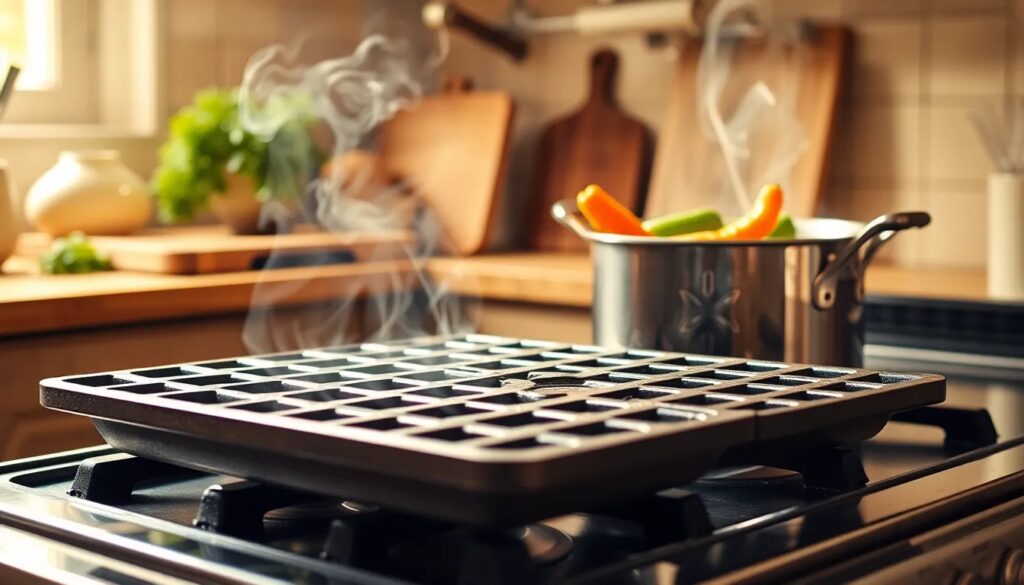
A stove grate is an essential component of any cooking appliance. It not only supports cookware but also plays a significant role in the overall performance of your stove. Understanding the different types, materials, and maintenance of stove grates is crucial for enhancing your cooking experience.
In this article, we will explore everything you need to know about stove grates, helping you make informed decisions about their use and maintenance.
Table of Contents
- What is a stove grate?
- How does a stove grate affect cooking performance?
- What are the different types of stove grates available?
- What materials are used for stove grates?
- How to choose the right stove grate for your needs?
- How to maintain and clean your stove grate?
- Related Questions About Stove Grates
What is a stove grate?
A stove grate is a framework that sits on top of a stove burner, providing a stable surface for pots and pans. The primary function of the stove grate is to support cookware while allowing heat to transfer effectively from the burner to the pan. Without a proper stove grate, cooking efficiency can decrease significantly.
Stove grates come in various shapes and sizes to fit different stove models. They are designed to hold the weight of pots and pans while maintaining a stable cooking surface. Additionally, they can be made from several materials, which can influence cooking performance and heating efficiency.
Since cooking is an essential part of many households, choosing the right stove grate can greatly affect your cooking experience. Whether you are simmering sauces or searing meats, a well-functioning stove grate is essential.
How does a stove grate affect cooking performance?
The design and material of a stove grate can significantly impact cooking performance. Here are some aspects to consider:
1. Heat Distribution: A well-designed stove grate allows for even heat distribution. This ensures that your food cooks uniformly, avoiding hot spots that can lead to uneven cooking.
2. Stability: A sturdy grate provides stability for heavy pots, enabling chefs to cook without worrying about tipping or spilling. This is especially important for cooking techniques that require stirring or agitation.
3. Cooking Efficiency: The right stove grate can enhance cooking efficiency by maintaining consistent contact with the cookware. This means less energy is wasted, and your food can cook faster.
With all these factors in mind, it becomes evident that the choice of a stove grate is essential for optimal cooking results. Selecting a high-quality grate can greatly improve your cooking experience.
What are the different types of stove grates available?
There are several types of stove grates, each designed for specific cooking needs. Here are some common types:
- Cast Iron Grates: Known for their durability and heat retention, cast iron grates provide excellent cooking performance. They can withstand high temperatures and are ideal for searing.
- Steel Grates: Lighter than cast iron, steel grates offer good heat distribution but may not retain heat as well. They are often easier to clean and maintain.
- Porcelain Coated Grates: These grates have a porcelain coating that prevents sticking and makes cleaning easier. They provide a sleek look but may chip over time.
- Aluminum Grates: Lightweight and rust-resistant, aluminum grates are great for portable stoves. However, they may not perform as well under high heat.
Each type of stove grate has its advantages and disadvantages. When choosing the right grate, consider your cooking style and the types of dishes you prepare most often.
What materials are used for stove grates?
Stove grates can be made from various materials, each offering unique characteristics:
1. Cast Iron: This material is favored for its ability to retain heat and provide even cooking. It is also very durable, making it a preferred choice for many cooks.
2. Steel: Steel grates are popular due to their lightweight nature and good heat conductivity. They are easier to handle and often more affordable than cast iron options.
3. Porcelain Enamel: Porcelain-coated grates combine the durability of metal with a non-stick surface for easy cleaning. They can be visually appealing, but care must be taken to avoid chipping.
4. Aluminum: Aluminum grates are often used in portable cooking appliances. They are lightweight and resistant to rust but may not offer the same cooking performance as heavier materials.
Choosing the right material for your stove grate can enhance your cooking experience and ensure that your stove performs optimally.
How to choose the right stove grate for your needs?
When selecting a stove grate, several factors should be considered to ensure you choose one that meets your cooking needs:
1. Stove Compatibility: Ensure that the grate is compatible with your stove model. This includes checking size and shape for proper fit.
2. Cooking Style: Consider what types of dishes you often prepare. If you frequently fry or sear, a cast iron grate may be best due to its heat retention.
3. Maintenance Requirements: Some materials require more care than others. If you prefer low-maintenance options, look for porcelain-coated or steel grates.
4. Budget: Prices for stove grates can vary widely. Set a budget before shopping to narrow down your options without overspending.
By carefully considering these factors, you can select a stove grate that aligns with your cooking preferences and lifestyle.
How to maintain and clean your stove grate?
Proper maintenance of your stove grate is essential for longevity and optimal performance. Here are some tips for keeping your stove grate in top condition:
1. Regular Cleaning: Clean the grate after each use to prevent the buildup of grease and food residue. Warm soapy water and a soft cloth or sponge work well for most materials.
2. Deep Cleaning: For stubborn stains or burnt-on food, soak the grate in warm, soapy water for a few hours. For cast iron grates, avoid harsh chemicals that can strip the seasoning.
3. Seasoning Cast Iron Grates: If you have a cast iron stove grate, it's important to periodically season it. This involves applying a thin layer of vegetable oil and heating it to create a non-stick surface.
4. Check for Damage: Regularly inspect the grate for cracks, chips, or rust. Address any damage promptly to prevent further deterioration.
By following these maintenance tips, you can extend the life of your stove grate and ensure that it performs effectively.
What are the grates on top of a stove called?
The grates on top of a stove are commonly referred to as “stove grates” or “burner grates.” They serve as the support structure for pots and pans while allowing heat to transfer from the burners to the cookware.
What is the hack for cleaning gas stove grates?
A popular hack for cleaning gas stove grates is to soak them in a mixture of vinegar and baking soda. This combination helps break down grease and grime. After soaking, scrub gently with a non-abrasive sponge and rinse thoroughly.
How do I choose the right stove grates?
When choosing the right stove grates, consider your stove type, cooking style, and material preferences. Ensure the grate fits your stove model, and think about whether you need something durable like cast iron or something easier to clean like porcelain-coated steel.
Can cast iron stove grates be restored?
Yes, cast iron stove grates can be restored. If they are rusted or damaged, they can be cleaned, seasoned, and reconditioned. Often, a thorough cleaning followed by reseasoning will restore their functionality and cooking performance.
If you want to know other articles similar to Stove grate options and replacements you can visit the category BBQ Equipment and Maintenance.


More embers