

Natural gas to grill: everything you need to know
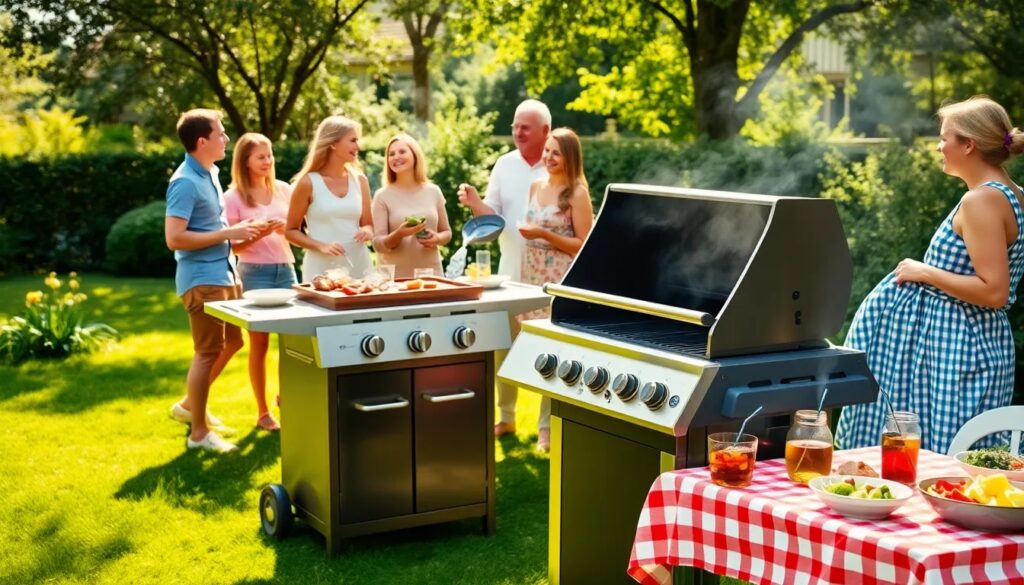
Installing a natural gas barbecue grill can enhance your outdoor cooking experience, providing a reliable and efficient fuel source. This guide covers everything from installation tips to evaluating your home's gas capacity to ensure a successful setup.
Whether you're an experienced grill master or a beginner, understanding how to set up natural gas to grill safely is essential for maximizing your enjoyment. Let’s dive into the process and benefits of using natural gas for your grilling needs.
Table of Contents
- What is the best natural gas grill?
- How do I install a natural gas line for my grill?
- What are the pros and cons of natural gas grills?
- How can I evaluate my home’s natural gas capacity?
- What tools do I need for natural gas grill installation?
- How do I connect my new natural gas grill?
- What are the differences between natural gas and propane grills?
- Frequently asked questions about natural gas grilling
What is the best natural gas grill?
When it comes to choosing the best natural gas grill, several brands stand out, including Weber, Napoleon, and Dyna-Glo. Each of these manufacturers offers a range of models equipped with various features to suit different cooking styles.
One of the key considerations is the BTU output, which indicates how much heat the grill can produce. A higher BTU rating typically means better heat performance. Additionally, look for features like multiple burners, side burners, and easy-to-clean surfaces.
- Weber Genesis II: Known for its durability and even heating.
- Napoleon Rogue: Offers excellent versatility with an affordable price tag.
- Dyna-Glo Premium: Renowned for its large cooking surface.
Reading customer reviews and comparing the natural gas grill features can help you find the ideal model for your outdoor cooking needs. Make sure to consider your cooking preferences and available space before making a decision.
How do I install a natural gas line for my grill?
Installing a natural gas line for your grill involves several steps to ensure safety and efficiency. First, assess your home's current gas capacity by checking the CFH rating on your gas meter. This will help you determine if you have enough capacity to accommodate your new grill.
Next, plan the installation by selecting a suitable tie-in point and measuring the route for the gas line. It’s essential to choose the correct pipe size to ensure adequate gas flow. If you're unsure about the process, consider hiring a licensed fitter for professional installation.
- Turn off the gas supply.
- Tap into the existing line carefully.
- Install the new gas line securely.
- Check for leaks using soapy water.
Following these steps will help ensure a safe and effective installation of your natural gas line for the grill.
What are the pros and cons of natural gas grills?
Natural gas grills come with several advantages, such as cost-effectiveness and consistent fuel supply. Once installed, the fuel is readily available, eliminating the need for frequent tank refills associated with propane grills.
However, there are also some drawbacks to consider. The initial installation can be costly, and it requires a fixed location, making it less portable than propane grills. Additionally, not all homes have a natural gas line, which may necessitate additional modifications.
- Pros: Cost-effective over time, constant fuel supply, no need for tanks.
- Cons: High installation cost, limited portability, potential for gas leaks.
Evaluating your specific needs and lifestyle can help you determine if a natural gas grill is the right choice for you.
How can I evaluate my home’s natural gas capacity?
To evaluate your home’s natural gas capacity, start by locating your gas meter and checking its CFH rating. This number indicates the maximum amount of gas your home can use at any given time.
Next, calculate the current gas usage from your existing appliances, like water heaters and furnaces. Adding these up will give you a clearer picture of how much gas is available for grilling. If you're unsure of your findings, consulting with a professional can provide further insights.
Lastly, keep in mind that installing a new natural gas line may require additional adjustments to your home's gas system to accommodate the new appliance.
What tools do I need for natural gas grill installation?
Having the right tools on hand is crucial for a successful natural gas grill installation. Here are some essential tools you might need:
- Pipe wrench: For tightening gas lines.
- Adjustable wrench: To help with fittings and connections.
- Drill: If you need to make holes for mounting or routing the gas line.
- Pipe cutter: To cut pipes to the correct length.
- Soapy water: For checking for gas leaks post-installation.
Using appropriate tools not only makes the installation easier but also ensures a safer setup. If you’re unfamiliar with the gas line installation process, consider seeking assistance from a licensed technician.
How do I connect my new natural gas grill?
Connecting your new natural gas grill is a straightforward process if you follow the necessary steps. Begin by ensuring that the gas supply is off before making any connections. This step is vital for safety.
Once you’re ready, connect the flexible natural gas line to the grill using the provided fittings. Make sure the connections are snug but not overly tight. After everything is connected, turn on the gas supply and check for leaks using soapy water.
If you notice any bubbles forming, this indicates a leak and requires immediate attention. In such cases, it may be best to consult a professional to ensure everything is secure and functioning properly.
What are the differences between natural gas and propane grills?
Choosing between natural gas and propane grills often depends on personal preference and specific needs. Natural gas is typically more cost-effective and provides a steady supply, especially for homes already connected to the gas line.
On the other hand, propane grills are portable and easy to refill, making them a popular choice for outdoor activities. Propane usually offers a higher BTU output, allowing for quicker heating and precise control over cooking temperatures.
- Natural Gas: More economical long-term, less portable, requires installation.
- Propane: Portable, higher BTU output, easy to refill, but potentially higher fuel costs.
Both options are clean-burning and efficient, but they require specific setups and cannot be interchanged without conversion kits. Ultimately, your choice should reflect your cooking habits and lifestyle.
Frequently asked questions about natural gas grilling
Can natural gas be used for grills?
Yes, natural gas is a suitable fuel source for grills. Natural gas to grill offers a stable and cost-effective option for outdoor cooking. Many modern grills are designed specifically to run on natural gas, providing excellent heat and performance.
Is a natural gas line to grill worth it?
Having a natural gas line for your grill can be worth it in the long run. It eliminates the need for propane tanks and offers a more economical fuel source. However, consider installation costs and your cooking habits before deciding.
Can I get natural gas for my grill?
If your home is already connected to a natural gas supply, you can easily get a natural gas line for your grill. However, if your home does not have a gas line, you may need to consult a professional to explore installation options.
How to hook up natural gas to grill?
To hook up natural gas to your grill, you need to connect a flexible natural gas line to your grill's gas inlet. Ensure that the connections are snug and check for any leaks using soapy water before lighting the grill.
For a detailed visual guide, you can watch the following video on natural gas grill installation:
If you want to know other articles similar to Natural gas to grill: everything you need to know you can visit the category BBQ Equipment and Maintenance.


More embers