

Meat smoker guide: best options for your BBQ
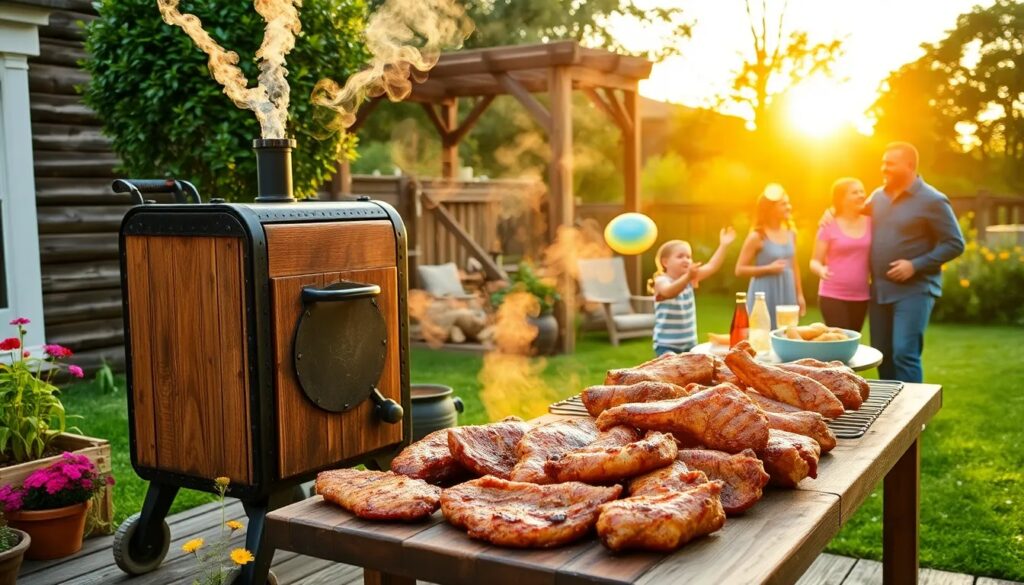
Are you ready to take your BBQ game to the next level? A meat smoker can transform ordinary meats into extraordinary flavors with that signature smoky taste. In this guide, we will explore everything you need to know about meat smokers, from their types to how they work, and which one might be best for your needs.
Whether you're a seasoned pro or just starting, understanding the intricacies of meat smoking is crucial. Let’s dive into the different aspects of meat smokers and help you find the right fit for your BBQ adventures.
Table of Contents
- What is a meat smoker?
- How does a meat smoker work?
- What are the different types of meat smokers?
- What should you consider when buying a meat smoker?
- What are the benefits of using a meat smoker?
- How do you maintain your meat smoker?
- Exploring the best options for your meat smoker
- Questions related to meat smokers
What is a meat smoker?
A meat smoker is a specialized cooking device designed to infuse meats with rich, smoky flavors while slow-cooking them at low temperatures. Unlike traditional grilling, smoking allows for longer cooking times, which enhances the flavor profile and tenderness of the meat.
Smokers use various types of fuel, including wood, charcoal, and electricity, to create smoke that permeates the meat. This slow cooking process can take several hours, but the results are often worth the wait, yielding deliciously tender and flavorful dishes.
With a range of designs and functionalities, a meat smoker can cater to various cooking styles and preferences. Whether you’re looking for something compact for your backyard or a larger model for parties, there’s a smoker out there for everyone.
How does a meat smoker work?
Understanding how a meat smoker works is essential for mastering the art of smoking. The process begins with the selection of your fuel source, which may vary from wood chips to charcoal, depending on your smoker type.
In basic terms, a meat smoker utilizes indirect heat and smoke to cook the meat slowly. As the fuel burns, it produces smoke that adheres to the meat, imparting unique flavors. Additionally, the low temperature ensures the meat remains juicy and tender.
- Temperature control: Many modern smokers come with digital temperature controls, allowing you to monitor and adjust the heat easily.
- Airflow: Proper airflow is crucial; it helps maintain consistent temperatures and smoke levels.
- Moisture: Some smokers have water pans to keep the meat moist during the cooking process, preventing it from drying out.
This combination of smoke, heat, and moisture creates a perfect environment for smoking meats, resulting in a delectable and aromatic dish that is sure to impress your guests.
What are the different types of meat smokers?
When it comes to meat smokers, there’s a plethora of options available, each with its unique features and benefits. Here’s a look at some popular types:
- Charcoal smoker: Traditional and widely loved, charcoal smokers offer a deep, smoky flavor that many BBQ enthusiasts prefer.
- Electric smoker: Ideal for beginners, electric smokers are easy to use and provide consistent temperatures with minimal effort.
- Pellet smoker: Using wood pellets as fuel, these smokers combine the convenience of electric smokers with the flavor of wood smoke.
- Drum smoker: Known for their efficiency, drum smokers allow for hanging meats, perfect for achieving even cooking.
- Offset smoker: A more advanced option, offset smokers have a separate firebox, allowing for better heat and smoke control.
Each type serves a different purpose and caters to different cooking styles. Understanding these differences can help you choose the right smoker that fits your needs.
What should you consider when buying a meat smoker?
Buying a meat smoker is an investment, so it’s essential to consider several factors before making a decision. Here are some key aspects to keep in mind:
- Size: Consider how much cooking space you need. Larger models are suitable for gatherings, while compact options work better for smaller spaces.
- Fuel type: Choose between charcoal, wood, electric, or pellet smokers based on your preferences and cooking habits.
- Features: Look for features like temperature gauges, digital controls, and ease of cleaning to enhance your smoking experience.
- Budget: Set a budget that aligns with your needs. There are affordable options that still provide excellent performance.
By evaluating these factors, you can select a smoker that not only meets your cooking needs but also fits seamlessly into your BBQ lifestyle.
What are the benefits of using a meat smoker?
Using a meat smoker comes with a variety of benefits that can elevate your cooking. Here are some of the most notable advantages:
Firstly, meat smokers allow for a unique infusion of flavors that traditional grilling cannot replicate. The smoke from the wood or charcoal enhances the taste, resulting in deeply flavored meats.
Additionally, smoking meats at low temperatures helps to break down tough fibers, making even the cheapest cuts tender and juicy. This slow-cooking method allows for the development of complex flavors over time.
- Versatility: Smokers can handle a variety of meats, from briskets to ribs and even vegetables.
- Healthier cooking: Smoking can reduce the need for excessive oils and fats, leading to healthier meals.
- Social experience: Smoking often turns into a communal activity, perfect for gatherings and BBQ parties.
With these benefits in mind, investing in a meat smoker can significantly enhance your culinary repertoire and bring friends and family together.
How do you maintain your meat smoker?
Proper maintenance of your meat smoker is crucial for ensuring its longevity and optimal performance. Here are some key maintenance tips:
Regular cleaning is essential; after each use, ensure you remove ash and leftover food particles. A clean smoker not only performs better but also enhances the flavor of your next cook.
Inspecting the seals and gaskets regularly will help prevent heat loss and ensure efficient cooking. Replacing worn-out parts as needed will keep your smoker in top shape.
- Seasoning: Many smokers require seasoning before their first use. This process creates a protective layer and enhances flavor.
- Storage: If you're storing your smoker outdoors, consider using a cover to protect it from the elements.
- Temperature checks: Regularly check and calibrate your temperature gauges to ensure they are accurate.
By adhering to these maintenance practices, you can ensure your meat smoker remains a reliable tool in your BBQ arsenal for years to come.
Exploring the best options for your meat smoker
With various models available, here are a few highly-rated meat smokers to consider:
- Masterbuilt AutoIgnite Series 545: This user-friendly charcoal smoker is great for beginners and features automatic temperature controls.
- Pit Barrel Cooker: Highly recommended for its simplicity and consistent performance, perfect for anyone wanting a hassle-free experience.
- Weber Smokey Mountain: Known for its temperature stability and effectiveness, it's a popular choice among BBQ competitors.
- Char-Griller Akorn Kamado: This versatile smoker is capable of various cooking styles, thanks to its wide temperature range.
Choosing the right meat smoker can greatly enhance your BBQ experience. Consider trying one of these models to discover a new level of flavor and enjoyment.
What is the best meat smoker to buy?
The best meat smoker ultimately depends on your personal preferences, cooking style, and budget. However, some popular choices include the Masterbuilt AutoIgnite Series 545 for its ease of use and modern features, and the Pit Barrel Cooker for its exceptional performance and affordability. Each of these options caters to different needs, ensuring there’s a suitable smoker for everyone.
What meat goes well in a smoker?
Almost any meat can be smoked, but some of the best options include brisket, pork shoulders, ribs, and chicken. These cuts benefit significantly from the low and slow cooking process, allowing the flavors to develop and the meat to become tender. Additionally, fish and vegetables can be smoked for an interesting twist on traditional grilling.
Is a meat smoker worth it?
Absolutely! Investing in a meat smoker offers the opportunity to experiment with flavors, cooking techniques, and recipes. The rich, smoky taste that smoking imparts on food is unmatched, making it a worthwhile investment for BBQ enthusiasts. Plus, smoking can yield impressive results even with more affordable cuts of meat, making it a cost-effective choice for many cooks.
What's a good smoker for a beginner?
For beginners, an electric smoker is often the best choice due to its simplicity and ease of use. Models like the Cuisinart Vertical Charcoal Smoker offer excellent value and performance while being user-friendly. These smokers often come with built-in temperature controls, making it easier for novice cooks to achieve great results without the steep learning curve.
If you want to know other articles similar to Meat smoker guide: best options for your BBQ you can visit the category BBQ Equipment and Maintenance.


More embers