

How do you season cast iron grill grates?
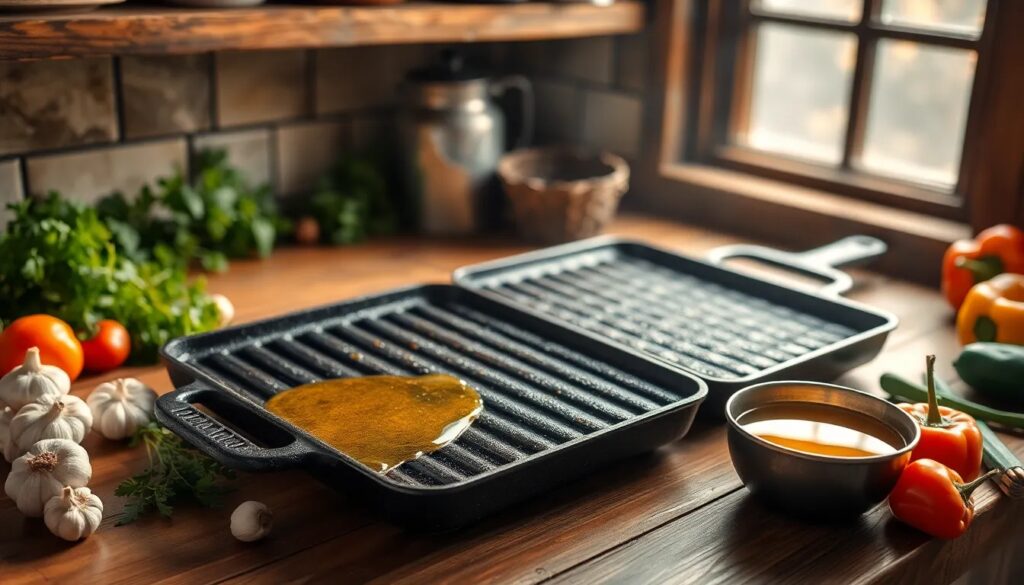
Maintaining your cast-iron grill grates is essential for longevity and performance. Proper care involves seasoning, cleaning, and preventive measures against rust. This guide will provide you with comprehensive steps and tips to ensure your grill grates remain in excellent condition.
In the following sections, we will address common questions about the seasoning process, cleaning methods, and best practices for maintaining your cast iron grill grates. Let's dive into the details.
Table of Contents
- How do you season cast iron grill grates for the first time?
- How do you season cast iron grill grates in the oven?
- Best oil to season cast iron grill grates
- How to clean rusty cast iron grill grates?
- How to clean cast iron grill grates Weber?
- How to maintain your cast iron grill grates?
- How to avoid rust on cast iron grill grates?
- Questions related to caring for cast iron grill grates
How do you season cast iron grill grates for the first time?
When it comes to the first seasoning, preparation is key. Start by thoroughly cleaning your grill grates to remove any residue or factory coatings. Once clean, dry them completely to prevent rusting.
Next, apply a thin layer of high-smoke point oil to the grates. This step is crucial as it creates a non-stick surface and enhances the flavor of your grilled foods. Make sure to use an oil suitable for high temperatures, such as canola or grapeseed oil.
After applying the oil, preheat your grill to a high temperature and allow it to heat for about 30 minutes. This process helps the oil bond to the cast iron, forming a protective layer that improves with each use.
How do you season cast iron grill grates in the oven?
If you prefer using the oven for seasoning, it’s equally effective. Start by cleaning the grates as mentioned earlier. Once cleaned, place them in a baking dish upside down to catch any drips.
Preheat your oven to 375°F (190°C). Apply a thin layer of oil on the grates before placing them in the oven. Bake for at least an hour. This method can produce a more even seasoning layer compared to grilling.
After baking, allow the grates to cool in the oven before removing them. This gradual cooling process helps to solidify the seasoning layer.
Best oil to season cast iron grill grates
Choosing the right oil is vital for effective seasoning. The best oils for seasoning cast iron grill grates include:
- Flaxseed oil: Known for its high smoke point and ability to create a hard, durable layer.
- Canola oil: A popular choice due to its affordability and neutral flavor.
- Grapeseed oil: Another high-smoke point oil that works well for seasoning.
- Palm oil: Offers a stable fat for seasoning, creating a solid layer over time.
Avoid using olive oil, as its low smoke point can lead to a sticky residue and less effective seasoning.
How to clean rusty cast iron grill grates?
Rust can be a common problem if your grill grates are not properly maintained. To clean rusty grates, start by scraping off the rust using a wire brush or steel wool.
For tougher rust, a soak in a vinegar solution can help. Mix equal parts vinegar and water, then soak the grates for an hour. After soaking, scrub the rust off and rinse with warm water.
Once cleaned, dry the grates thoroughly to avoid further rust formation. Finally, re-season the grates using your preferred method to restore their protective coating.
How to clean cast iron grill grates Weber?
Cleaning Weber cast iron grill grates requires a gentle approach. Begin with a thorough pre-heating of the grill to burn off stuck-on food particles. Afterward, turn off the grill and let it cool slightly.
Using a grill brush, scrub the grates while warm to remove any debris. Avoid using soap, as it can strip away the seasoning. Instead, use warm water and a non-abrasive sponge if necessary.
Once cleaned, dry the grates completely and apply a thin layer of oil to maintain the seasoning and prevent rust.
How to maintain your cast iron grill grates?
Regular maintenance is essential to keep your cast iron grill grates in optimal condition. After every use, clean the grates and apply a light coat of oil. This practice will help reinforce the seasoning and protect against rust.
Store your grates in a dry place, preferably indoors, to avoid moisture exposure. If you notice any signs of rust, address it immediately with cleaning methods discussed earlier.
Also, consider cooking fatty foods from time to time to help enhance the seasoning naturally. This technique not only improves flavor but also fortifies the protective layer.
How to avoid rust on cast iron grill grates?
Preventing rust is a matter of proper maintenance and care. Always ensure that grates are completely dry after cleaning to avoid moisture retention.
Regularly re-season your grates, especially if you notice any wear in the seasoning layer. Additionally, using your grill frequently can help maintain a well-seasoned surface, as repeated use reinforces the protective layer.
Lastly, avoid leaving your grates outside exposed to the elements. If you must store them outdoors, consider covering them with a weather-resistant tarp to shield against rain and humidity.
Do I need to season cast iron grill grates?
Yes, seasoning is essential for cast iron grill grates. It creates a non-stick surface and protects against rust. If you skip this step, your grates may become prone to corrosion and food sticking.
How to season cast iron grill grates for the first time?
To season for the first time, clean your grates thoroughly, apply a thin layer of high-smoke point oil, and heat them either on the grill or in the oven. This process establishes a protective layer that enhances cooking performance.
What is the best way to season a cast iron grill?
The best way to season involves cleaning, applying oil, and heating. You can choose to season on a grill for a smokier flavor or in the oven for even heating. Both methods effectively create a durable seasoning layer.
What is the best oil to season grill grates with?
The best oils for seasoning include flaxseed oil, canola oil, and grapeseed oil, due to their high smoke points and ability to create a strong seasoning layer. It's important to avoid oils with low smoke points, such as olive oil.
If you want to know other articles similar to How do you season cast iron grill grates? you can visit the category BBQ Equipment and Maintenance.


More embers