

Digital probe thermometer guide
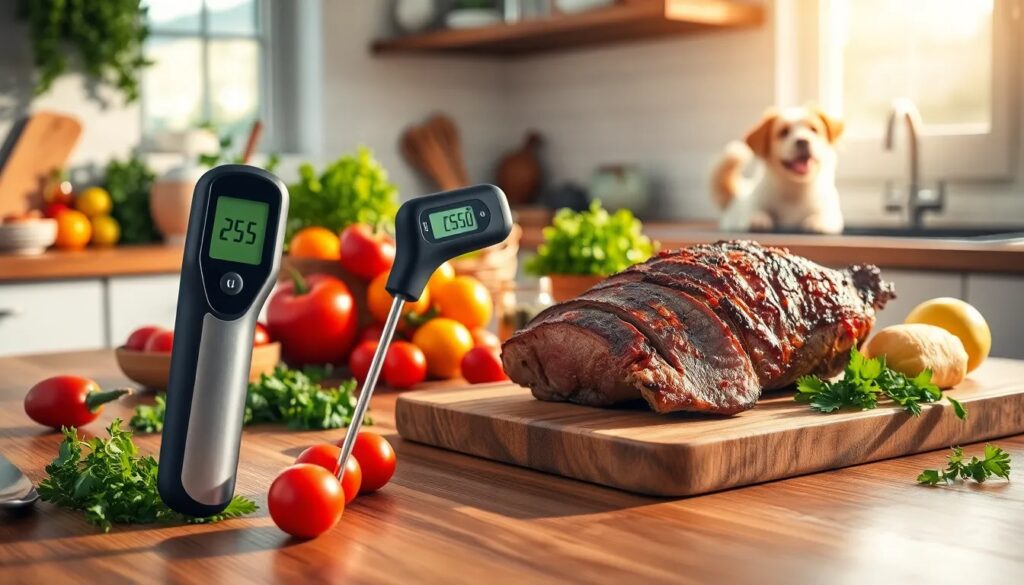
Using a digital probe thermometer can significantly enhance your cooking precision, ensuring that your dishes are cooked to perfection every time. These tools offer quick and accurate temperature readings, making them invaluable for any cooking enthusiast.
In this guide, we will delve into the various aspects of digital probe thermometers, including their usage, benefits, accuracy, and top products available on the market. Whether you are a novice cook or a seasoned chef, understanding these tools will elevate your culinary skills.
Table of Contents
- How do you use a digital probe thermometer?
- What are the benefits of using a digital probe thermometer?
- How accurate are digital probe thermometers?
- What features should you look for in a digital probe thermometer?
- What are the best digital probe thermometers available?
- What is the difference between digital and analog probe thermometers?
- How to calibrate a digital probe thermometer?
- Related questions about digital probe thermometers
How do you use a digital probe thermometer?
Using a digital probe thermometer is straightforward and can be broken down into a few simple steps. First, ensure that the probe is clean and properly calibrated before use. Insert the probe into the thickest part of the meat or food item, avoiding bone and fat for the most accurate reading.
Once inserted, wait for a few seconds until the temperature stabilizes. Most digital probe thermometers provide a clear digital readout, allowing you to monitor the cooking process without opening the oven or grill. This feature is especially useful when cooking larger cuts of meat, as it helps retain moisture and flavor.
After taking the temperature, make sure to clean the probe again before storing it to prevent cross-contamination. Following these steps will ensure that you consistently achieve perfect results in your cooking endeavors.
What are the benefits of using a digital probe thermometer?
The use of a digital probe thermometer comes with numerous advantages that enhance both flavor and safety in cooking. One of the primary benefits is precision; these devices provide accurate temperature readings that eliminate guesswork.
- Consistency: Achieving the same results every time becomes manageable with precise temperature control.
- Food safety: Monitoring internal temperatures helps prevent foodborne illnesses by ensuring safe cooking temperatures are reached.
- Convenience: Digital thermometers often come with features like alarms and hold functions, making them user-friendly.
Additionally, many digital probe thermometers are designed for versatility, allowing them to be used for meats, candies, and even baked goods. This adaptability makes them essential kitchen tools for various cooking methods.
How accurate are digital probe thermometers?
Digital probe thermometers are renowned for their accuracy, typically within ±1.5°F (±0.8°C) of the actual temperature. This level of precision is essential, especially in professional kitchens where cooking is a science.
Many high-quality models, such as the Thermapen ONE, boast even tighter tolerances, providing readings accurate to ±0.5°F (±0.3°C). This can mean the difference between perfectly cooked meat and an overdone dish, making accuracy crucial in culinary settings.
Furthermore, calibration is vital to maintain accuracy. Regularly checking the thermometer against a known standard can ensure its reliability over time. Simple adjustments can be made if the thermometer is found to be off, ensuring consistent performance.
What features should you look for in a digital probe thermometer?
When selecting a digital probe thermometer, consider several features that enhance usability and performance. These features can significantly impact your cooking experience:
- Response time: Opt for thermometers that provide quick readings, ideally within a few seconds.
- Temperature range: Ensure the thermometer covers a wide range of temperatures for different cooking applications.
- Backlight display: A backlit display is beneficial for visibility in low-light conditions.
- Waterproof design: This feature enhances durability and ease of cleaning.
- Programmable alerts: Some advanced models offer alarms for specific temperature settings, which is great for precise cooking.
By focusing on these features, you can select a digital probe thermometer that aligns with your cooking needs and preferences, maximizing your kitchen efficiency.
What are the best digital probe thermometers available?
Several digital probe thermometers have gained popularity for their outstanding performance and features. Here are some of the top-rated models:
- ThermoWorks ChefAlarm: Known for its user-friendly controls and responsiveness, ideal for various cooking methods.
- Thermapen ONE: An instant-read thermometer delivering rapid one-second readings with excellent accuracy.
- ThermoPro TP20: A wireless thermometer that allows monitoring from a distance, perfect for grilling.
- RFX Wireless Probe Starter Kit: Offers long-range capabilities for various cooking situations.
- Signals BBQ Alarm Thermometer: Provides multi-channel Wi-Fi and Bluetooth connectivity for comprehensive monitoring.
These models cater to different needs and preferences, ensuring that there is a suitable option for every cooking enthusiast, from amateurs to professionals.
What is the difference between digital and analog probe thermometers?
The primary difference between digital and analog probe thermometers lies in their display and functionality. Digital thermometers provide a clear readout of the temperature, making them easier to read and interpret, especially at a glance.
On the other hand, analog thermometers use a dial and a needle to indicate temperature. While they can be reliable, they often require more time to stabilize and may be harder to read accurately in certain lighting conditions.
Furthermore, digital models generally offer features like programmable alerts, memory functions, and faster response times. Therefore, for those looking to enhance their culinary precision, a digital probe thermometer is often the preferred choice.
How to calibrate a digital probe thermometer?
Calibrating your digital probe thermometer is essential for maintaining its accuracy. The most common method involves using ice water. To do this, fill a glass with ice and water, then let it sit for a few minutes until the mixture stabilizes at 32°F (0°C).
Insert the thermometer into the ice water, ensuring it does not touch the sides or bottom of the glass. If the temperature reading does not match 32°F, some models allow you to adjust the calibration accordingly. Follow the manufacturer’s instructions for your specific model.
This regular calibration will ensure that you consistently achieve accurate readings, which is crucial for successful cooking and food safety.
What is the difference between a digital thermometer and a probe thermometer?
A digital thermometer is a general term that describes any thermometer that uses digital electronics to display temperature readings. A probe thermometer, however, specifically refers to thermometers that have a probe for inserting into food items to measure their internal temperature.
While all probe thermometers are digital, not all digital thermometers are probe thermometers. For instance, some digital models are designed for surface temperature measurements. Thus, understanding this distinction helps in choosing the right thermometer for your cooking needs.
How do you use a digital probe thermometer?
Using a digital probe thermometer involves inserting the probe into the food item to check its internal temperature. It is important to insert the probe into the thickest part of the meat and avoid touching bone or fat to ensure accurate readings. After waiting a few seconds for the reading to stabilize, you can get a precise temperature measurement, which helps in achieving perfectly cooked meals.
Are probe thermometers accurate?
Yes, probe thermometers are generally very accurate, often within ±1.5°F (±0.8°C) of the actual temperature. Many high-end models offer even better accuracy, making them reliable tools for precision cooking. Regular calibration is essential to maintain this accuracy over time, ensuring that you get consistent results in the kitchen.
How do you calibrate a digital probe thermometer?
To calibrate a digital probe thermometer, you can use an ice water bath. Fill a glass with ice and water, let it sit, then insert the thermometer. If it reads anything other than 32°F (0°C), you can adjust the calibration based on the manufacturer's instructions. This simple procedure ensures that your thermometer remains accurate and reliable for all your cooking needs.
If you want to know other articles similar to Digital probe thermometer guide you can visit the category BBQ Equipment and Maintenance.


More embers